
10 rules I follow to avoid $300 in impulse buys each month

Impulse spending doesn’t always look dramatic. It’s the little purchases that sneak up on you—$12 here, $20 there—until you check your bank account and realize you’ve blown way more than you meant to. I used to think I was being careful, but once I actually tracked it, I found I was spending around $300 a month on things I didn’t plan for and didn’t even really need.
These are the exact rules I started following to cut that number way down. They work because they’re realistic and easy to stick to long-term.
Wait 48 hours before buying anything outside your list

When something catches your eye, pause. If it wasn’t on your original list, give it 48 hours. This gives your brain time to switch out of “I want it” mode and into “Do I actually need this?” mode.
Most of the time, the urge passes. You either forget about it or realize it wasn’t worth the money. This one rule alone has saved me from so many target runs turning into $100 hauls I didn’t plan for.
Don’t shop when you’re bored or overwhelmed
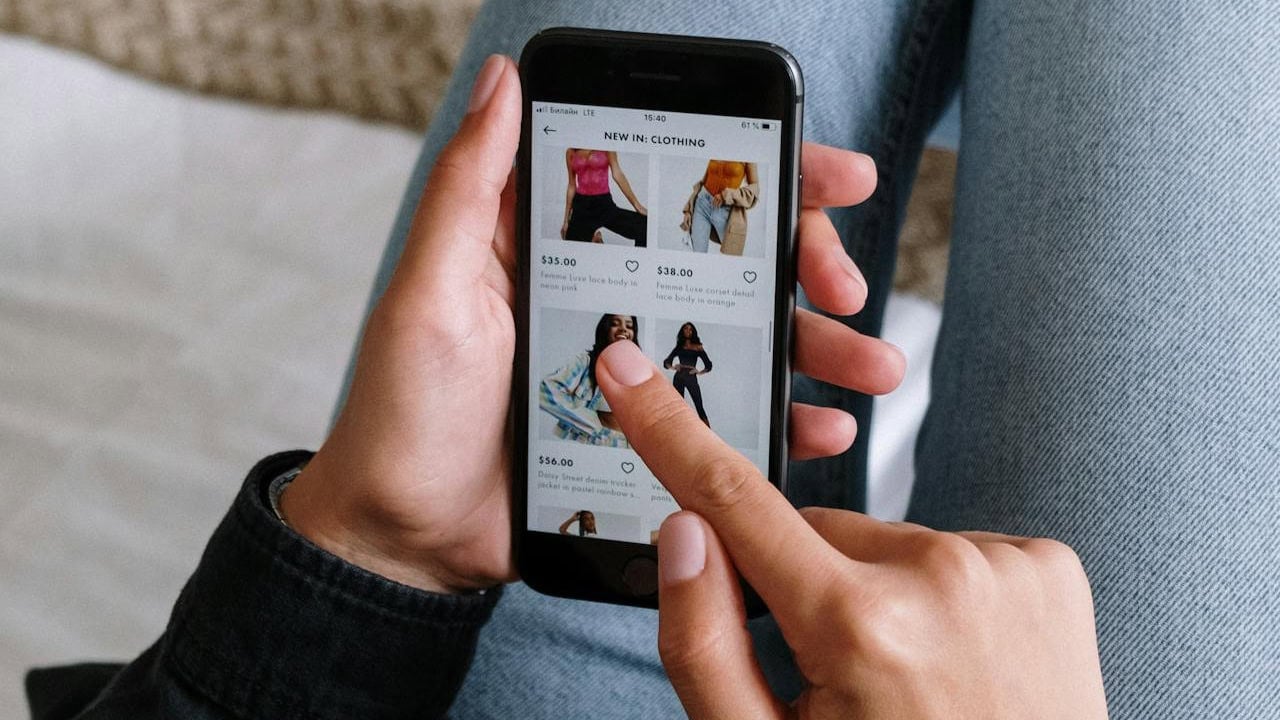
If you’re tired, stressed, or looking for a distraction, it’s not the time to browse online or stroll through a store. That’s when your brain is looking for a hit of feel-good, and spending can become a quick fix.
Even scrolling deals when you’re mentally checked out can lead to a purchase you wouldn’t have made otherwise. I’ve learned to recognize those moments and choose something else—music, a walk, anything that doesn’t cost $30 I didn’t mean to spend.
Keep your cards off autofill

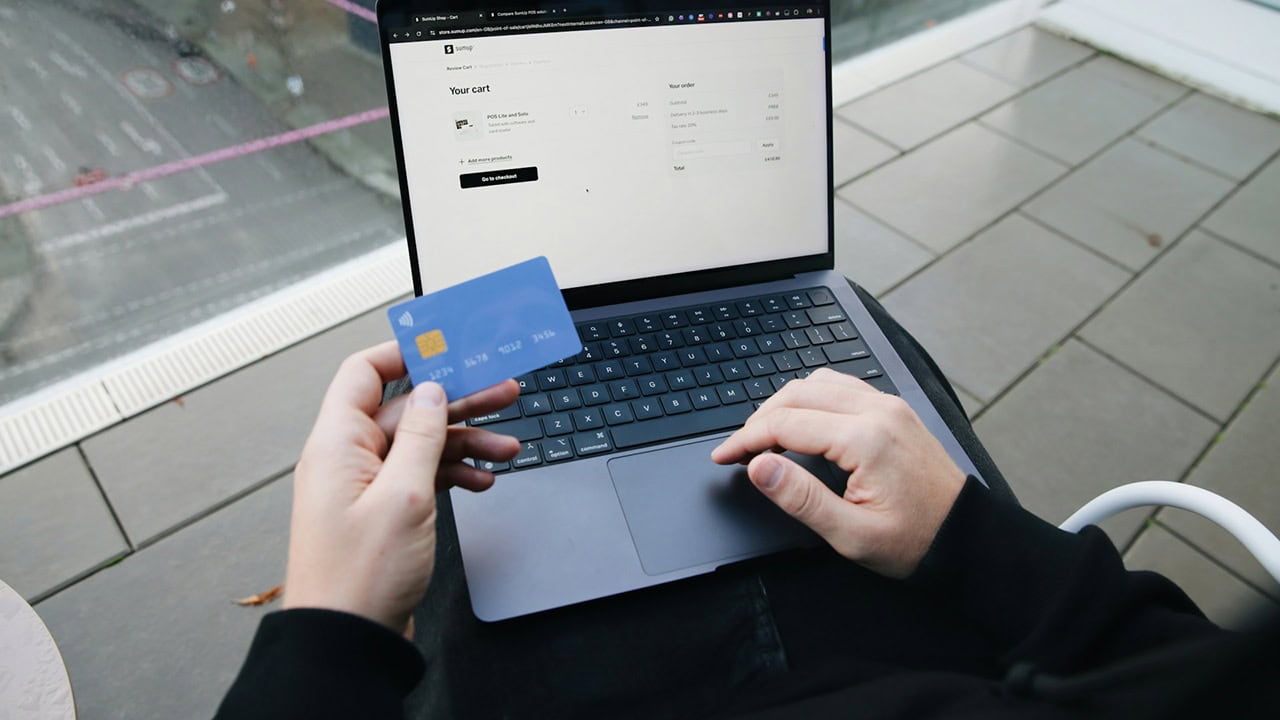
If your card info is saved on every site, buying takes zero effort. Removing it adds one extra step, but it’s enough to make you stop and think.
Typing in your card details manually forces you to slow down and ask if the purchase is worth it. I’ve caught myself halfway through entering numbers thinking, “Why am I even doing this?” That moment of hesitation is what breaks the cycle.
Use a fun-money budget you set in advance

If you have $40 of “fun money” for the week, you’re not depriving yourself—you’re giving yourself a spending lane. The key is sticking to it once it’s gone.
This gives you freedom without guilt. You can spend it on whatever you want, but when it’s used up, that’s it. It stops you from letting one unplanned purchase become five.
Take a screenshot, not your card
When you see something you like, screenshot it and move on. It satisfies the impulse without the commitment. You can revisit it later with a clear head.
I keep a folder of screenshots labeled “think about it.” If I still care about something in a week, maybe it’s worth budgeting for. Most of the time, I don’t even open the folder again. Out of sight really does mean out of mind.
Don’t shop during sales unless you planned for it
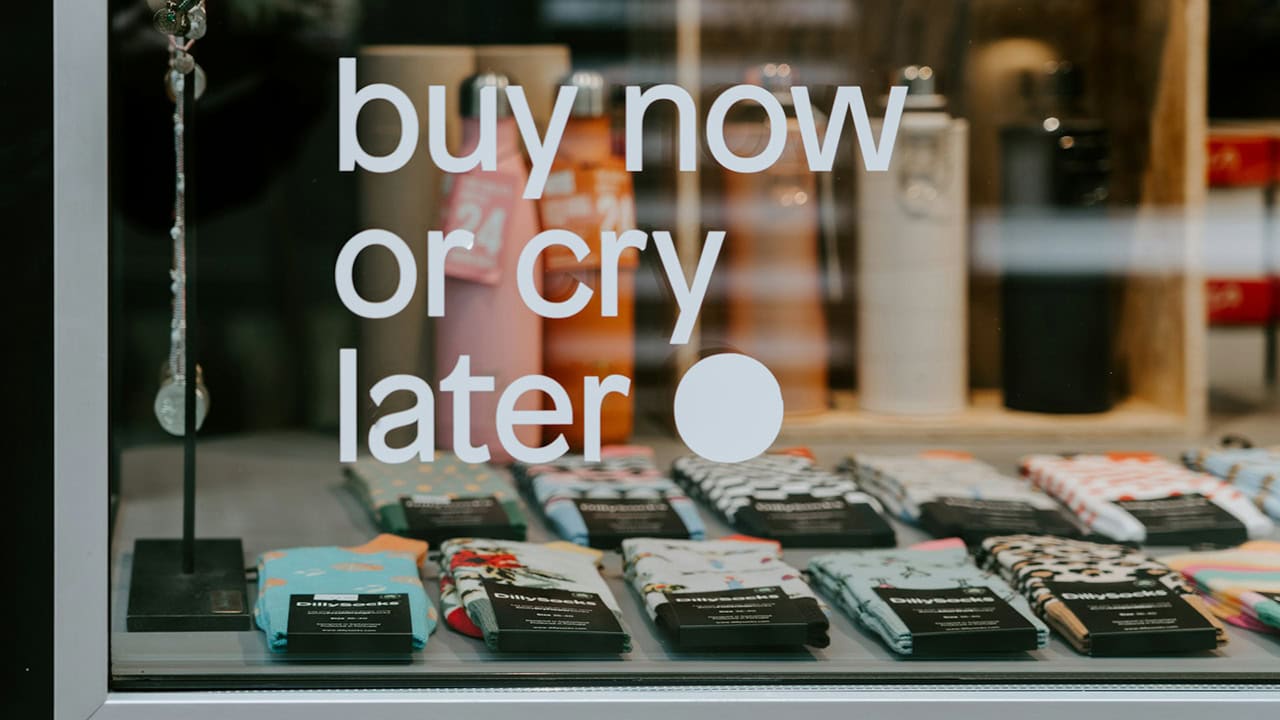
Sales are built to make you panic-buy. You feel like you’re losing money by not grabbing the deal, even if it’s not something you needed in the first place.
Now I only look at sales if I’ve already budgeted for that type of item. No budget? No browsing. That shift has saved me hundreds because I’m no longer spending “because it’s on sale”—only if it fits my actual plans.
Create a 30-day list for non-essentials

Instead of adding things to your cart, add them to a 30-day list. If you still want it after a month and you’ve got room in the budget, go for it.
This works for bigger wants and helps you sort through what’s worth it. You’d be shocked how many things lose their appeal once they sit on the list a while. It helps you stop impulse spending from pretending to be a “thought-out” decision.
Make unfollowing part of your routine
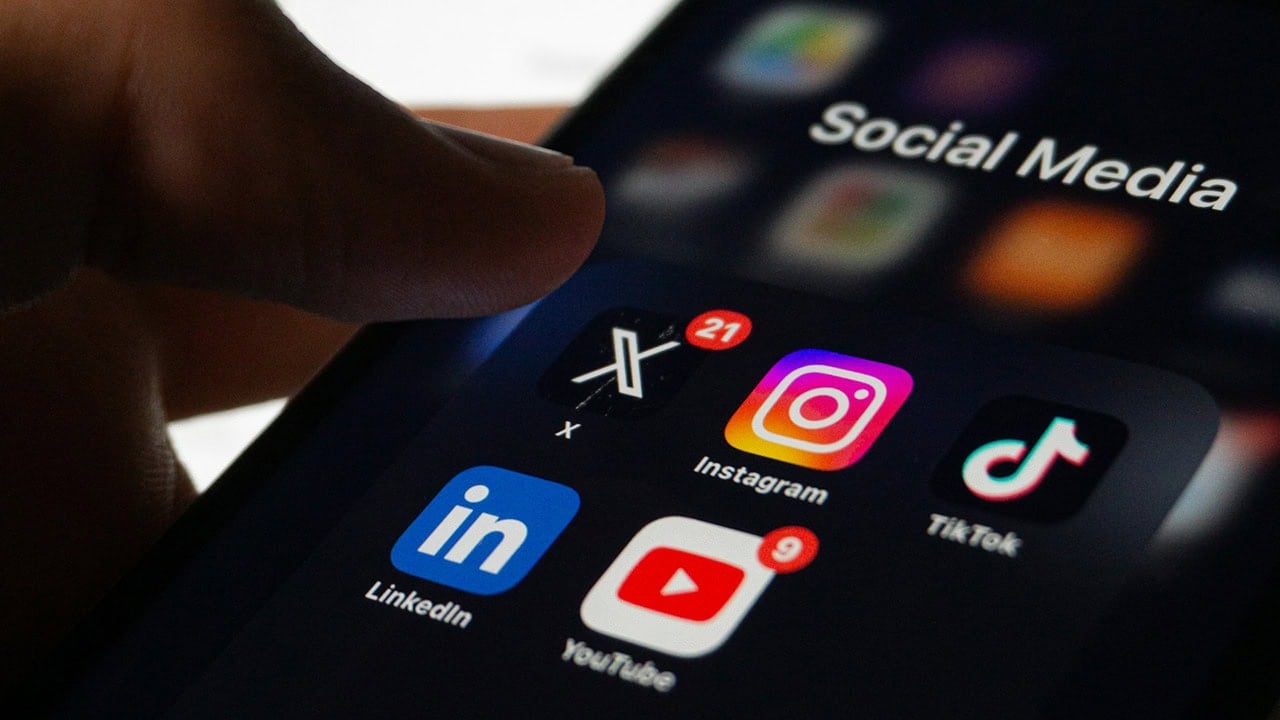
If certain accounts or brands constantly tempt you to spend, mute or unfollow them. You don’t need to be bombarded with ads dressed up as lifestyle inspiration.
It doesn’t mean you’re weak—it means you’re paying attention. Social media is full of product placement disguised as advice. Once I started curating my feed more carefully, I spent less without even trying.
Shop in-store with cash when you can

Using cash limits what you can spend. If you walk in with $40, you’re not leaving with $60 worth of stuff. It makes you weigh your choices differently.
I do this at places like Target, Aldi, or local shops when I’m tempted to overspend. It brings a level of awareness back to your buying habits that a debit card makes too easy to ignore.
Practice saying “not right now”

You don’t have to say no forever—just “not right now.” That phrase keeps you from feeling deprived while still helping you pause.
It’s helped me walk away from all kinds of impulse buys without guilt. Most of the time, “not right now” turns into “I didn’t need it anyway.” And when it doesn’t, I can come back with a plan instead of a moment of weakness.
*This article was developed with AI-powered tools and has been carefully reviewed by our editors.
Leave a Reply