
Keeping white clothes bright is harder than it sounds. Over time, even the best shirts, towels, and sheets start to look dull, yellowed, or gray—and it’s rarely the fabric’s fault.
Most of the time, it comes down to washing habits, water quality, or using the wrong products. Once you understand what’s causing the problem, it’s easy to turn things around and keep your whites looking fresh for years instead of months.
You’re overloading the washer
When your washer’s too full, your clothes don’t have room to move around, so dirt and detergent can’t rinse away properly. That grime ends up settling back into the fabric.
Filling the drum about two-thirds full gives your clothes enough space to get fully clean. You’ll get brighter results with fewer rewashes—and save on detergent too.
You’re using too much detergent
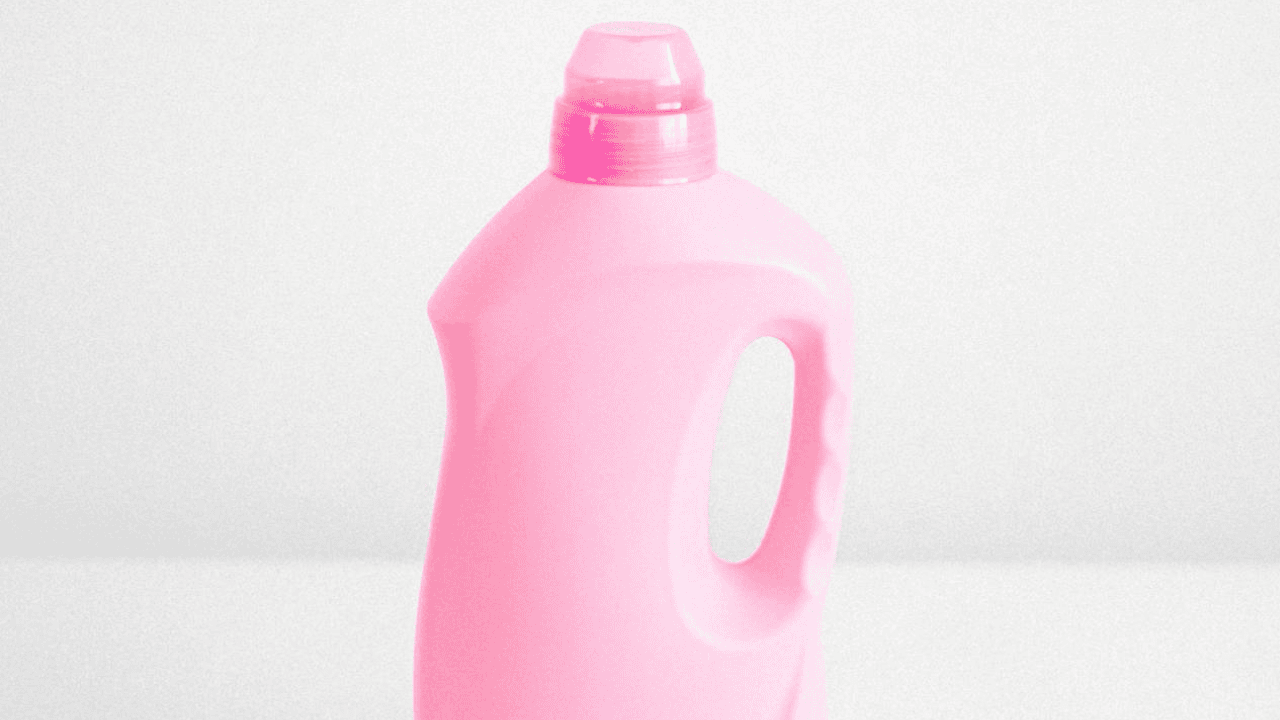
More detergent doesn’t mean cleaner clothes. In fact, using too much leaves behind residue that dulls fabric and traps dirt. Over time, that buildup makes your whites look dingy and feel heavy.
Follow the measuring lines on the cap or use less if you have a high-efficiency washer. A little goes a long way when your machine isn’t trying to rinse out soap it didn’t need.
You’re drying on too high of a heat
High heat can scorch fibers slightly, giving them a dull, yellow tint. It also bakes in leftover stains that could’ve lifted in another wash.
Try drying on medium or air settings instead. It’s gentler on fabrics and helps your whites keep that clean, crisp look longer.
You’re ignoring residue in the washer
If your washer drum or detergent drawer isn’t clean, residue and mildew can transfer onto your clothes. That’s especially noticeable on whites.
Run a cleaning cycle once a month with white vinegar or a washing machine cleaner. It clears out buildup and keeps your clothes from picking up that dingy gray tint.
You’re skipping vinegar or baking soda boosts
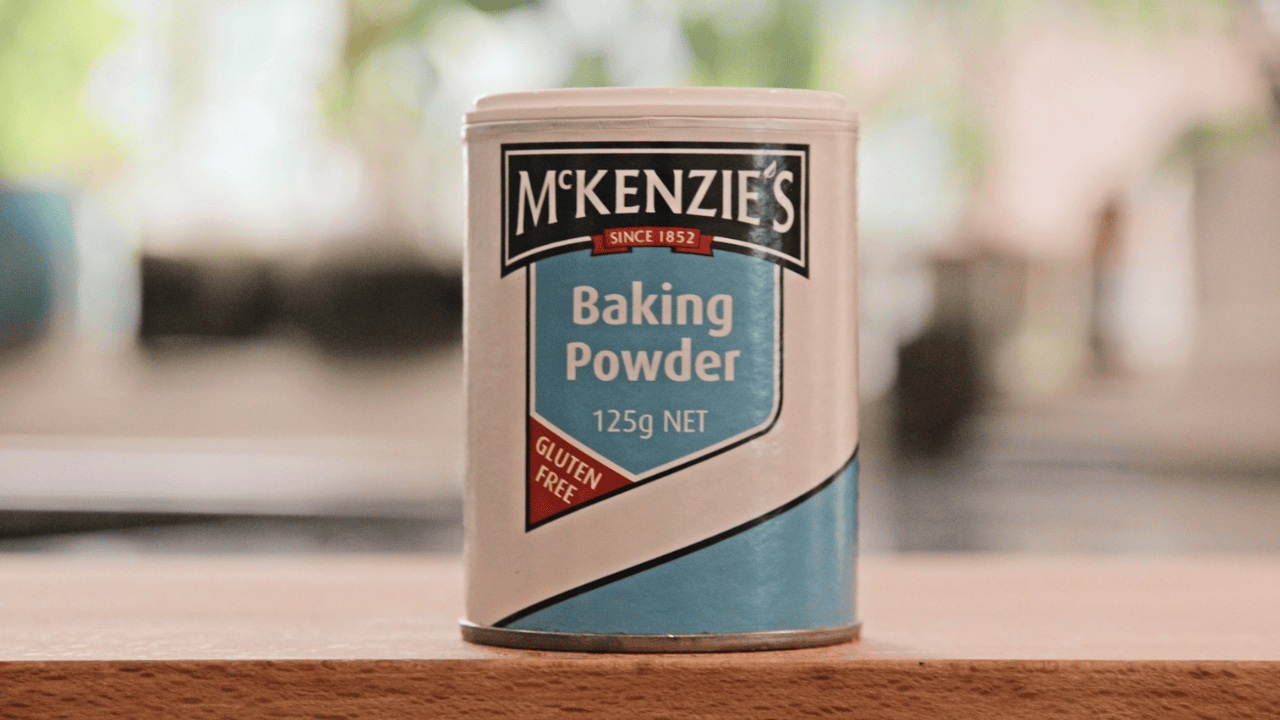
Regular detergent can only do so much. A cup of white vinegar in the rinse cycle breaks down residue, and a scoop of baking soda brightens whites naturally.
These low-cost boosts are safe for most fabrics and make a big difference over time. They also help neutralize odors that regular detergent can leave behind.
You’re washing in cold water every time
Cold water protects color, but it’s not always strong enough for whites. Warm or hot water helps dissolve detergent and lift out oils that cause yellowing over time.
Check your fabric tags first, but when possible, wash whites in warmer settings. You’ll see a noticeable difference in brightness after just a few washes.
You’re drying in direct sunlight too long
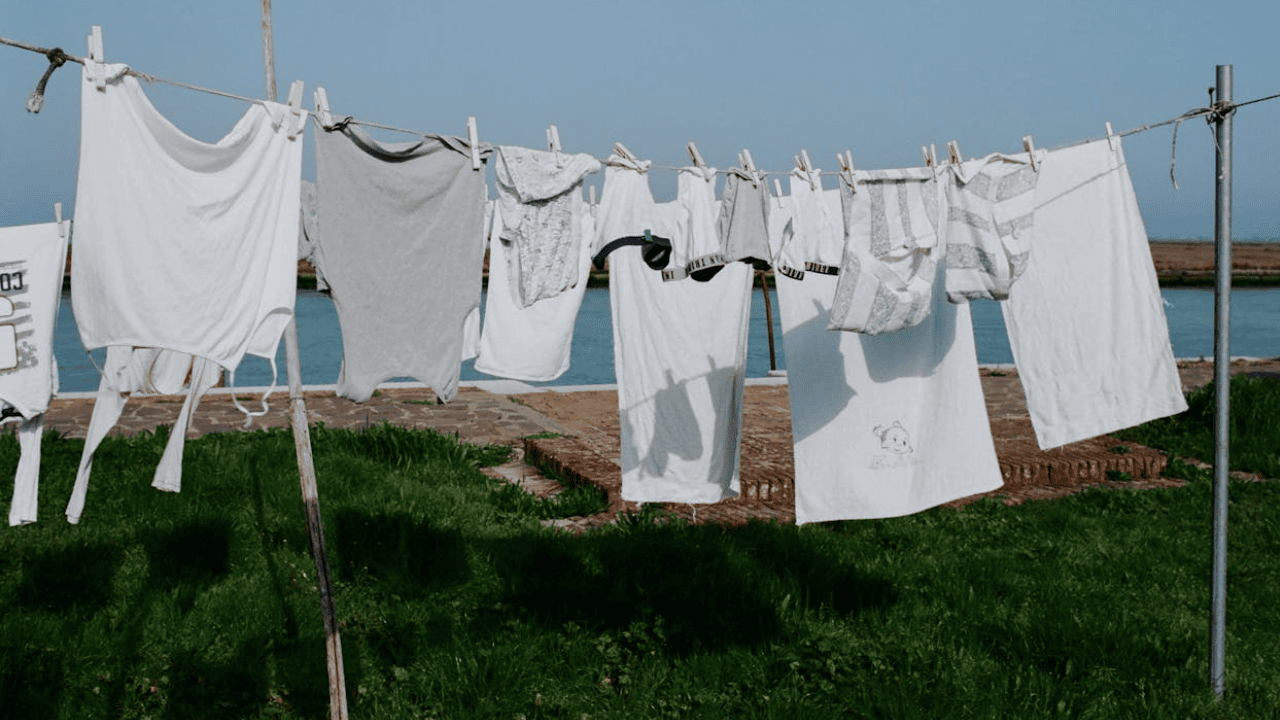
Sunlight can naturally brighten whites, but leaving them out too long has the opposite effect. UV exposure breaks down fibers and causes yellowing, especially on cotton.
Let them dry outside for a short time, then finish in the shade or indoors. You’ll still get that fresh, clean feel without the damage.
You’re skipping the pre-soak
Whites pick up body oils, deodorant, and food stains that regular cycles can’t always remove. Without soaking, those stains gradually discolor the fabric.
A short pre-soak in warm water with oxygen bleach or baking soda loosens dirt and oils before washing. It’s one extra step that keeps your whites looking new instead of faded.
You’re washing with hard water
Hard water leaves behind mineral buildup that clings to fabric, dulling the color and trapping detergent residue. You might notice your whites looking gray or stiff no matter how much detergent you use.
Adding a water softener or using a laundry booster like washing soda helps prevent those minerals from setting in. It makes your detergent work better and helps your whites actually come out white.
You’re keeping whites with colors in the hamper
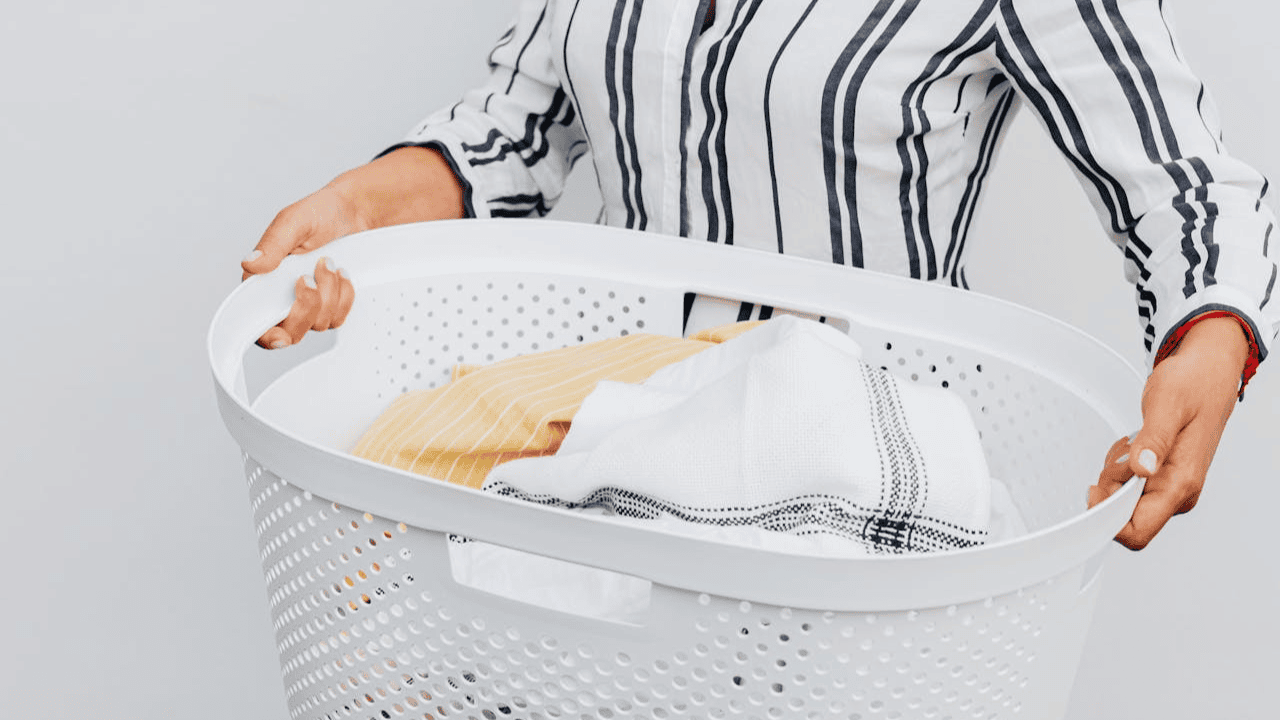
When damp whites sit pressed against darker clothes, dye can transfer even before you start the wash. Sweat and moisture make it worse.
Sort laundry early and keep whites separate, especially if they’re sweaty or wet. A little extra care before washing prevents stains that no detergent can fix later.
*This article was developed with AI-powered tools and has been carefully reviewed by our editors.
Leave a Reply