
If your kitchen feels chaotic no matter how often you clean it, you’re not alone. Kitchens are where everything tends to pile up—from gadgets and groceries to half-finished DIY projects.
It’s also one of the easiest rooms to overspend in, especially when you’re trying to make it look “finished.” But here’s the truth: a cluttered, over-budget kitchen usually isn’t about space or money—it’s about small habits that add up.
You’re buying duplicates without realizing it
When drawers and cabinets aren’t organized, you lose track of what you already own. That’s when the third set of measuring spoons or another whisk sneaks into your cart.
Before you buy anything new, take inventory of what you actually have. You might find multiples of things you forgot existed. Group items by category, and only replace something if it’s broken or missing—not because you can’t find it at the moment.
You’re overdecorating the counters
A kitchen should be functional first, but most people try to make it look styled, like the ones they see online. The problem is, every extra tray, vase, or decorative bowl takes up working space.
If you cook often, clear counters will make your kitchen feel larger and calmer. Keep only the items you use daily within reach—like the coffee maker or toaster—and store the rest. Once the clutter’s gone, even a small kitchen starts to breathe again.
You’re using storage that doesn’t actually fit your habits
Pretty containers and matching bins look nice in photos but often don’t work in real life. If your family never seals snack containers or stacks lids correctly, those systems won’t stick.
Instead, design storage around how you actually live. Lazy Susans for pantry corners, open baskets for kids’ snacks, and simple drawer dividers make more sense than complicated systems you’ll give up on later.
You’re keeping appliances you never use
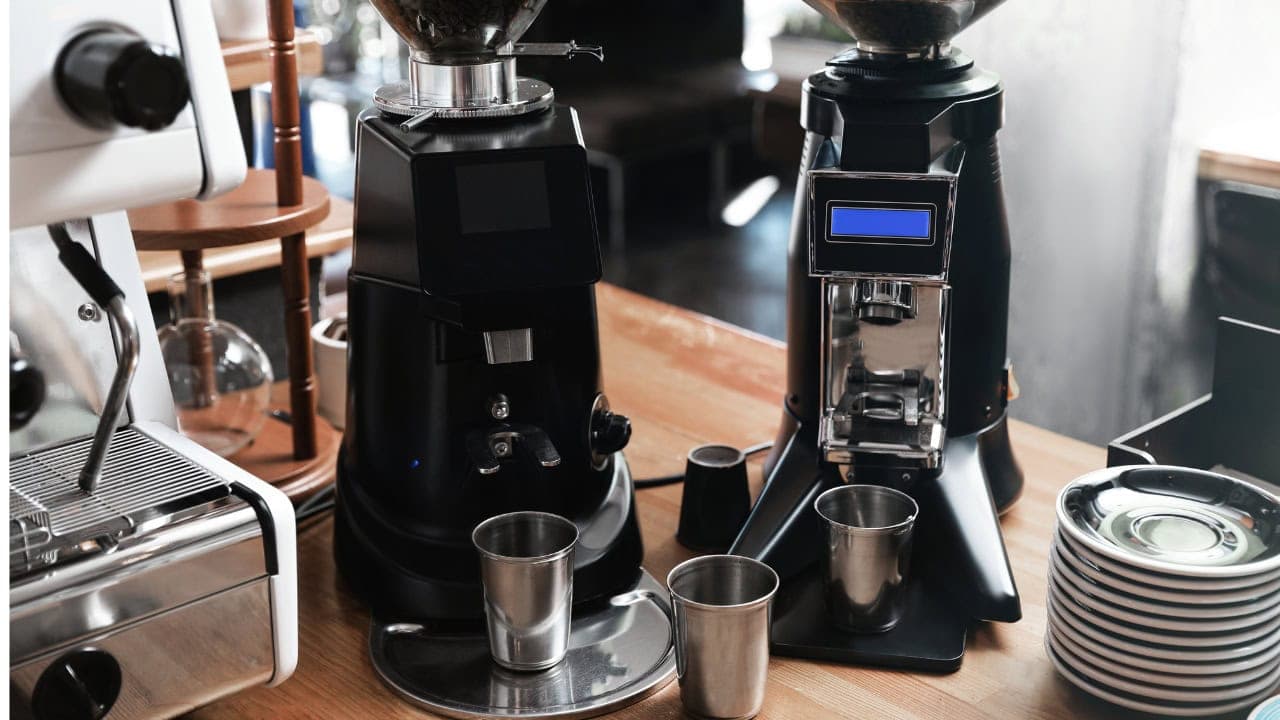
The air fryer, the bread maker, the slow cooker, the blender—it adds up fast. Even if they were good buys at the time, unused appliances are taking up valuable real estate.
If you haven’t used something in six months, store it somewhere else or sell it. You’ll instantly reclaim space and stop feeling like you need a bigger kitchen when what you really need is less stuff.
You’re buying groceries without a plan
Impulse grocery shopping is one of the biggest reasons kitchens feel cluttered and budgets feel stretched. When you buy without a meal plan, food sits unused, goes bad, and makes it harder to see what you actually have.
Start by planning meals for just three or four days at a time. It gives you flexibility while keeping your fridge organized. You’ll save money, waste less food, and avoid digging through expired salad dressing every week.
You’re treating the kitchen like a storage closet
Mail, chargers, paperwork, and random tools all seem to end up in the kitchen. Over time, those little piles make it feel messy even when the dishes are clean.
Set up one drawer or basket for non-kitchen items and clear it out weekly. The less overlap your kitchen has with the rest of the house, the easier it’ll be to keep tidy and on budget.
You’re hanging on to mismatched dishes and containers

We all have that cabinet full of plastic lids that don’t fit anything or cups missing their sets. They take up space and make every cleanup feel like a chore.
Do a full sweep of your cabinets and drawers. Match lids to containers, donate what you don’t use, and recycle what’s broken. Having fewer, better-fitting pieces makes cooking and cleanup smoother—and keeps you from rebuying replacements you don’t need.
You’re constantly chasing “the next upgrade”
It’s easy to get caught up in the idea that your kitchen would work better if you just had one more thing—a new pan, a better knife set, a prettier backsplash. But when you’re always upgrading, you never get to the point where your kitchen feels done.
Take a break from buying and focus on optimizing what you already have. Rearranging a drawer or tightening a wobbly handle can make more of a difference than another Amazon order ever will.
You’re letting packaging take over your space
Boxes, bags, and bulky containers eat up more space than the food itself. If your pantry or fridge feels cramped, you might have a packaging problem, not a storage one.
Transfer bulky items like snacks, cereal, or rice into clear containers or jars. You’ll see what you have and waste less food. Plus, it gives your shelves a clean, uniform look without spending extra.
You’re not setting spending limits for “little things”
Kitchen spending often sneaks in through small, “harmless” purchases—new towels, fancy utensils, or a seasonal set of plates. But those little buys add up fast and clutter your cabinets in the process.
Give yourself a monthly kitchen spending cap for non-essentials. Once you hit it, stop. It keeps your kitchen feeling intentional instead of impulsive, and your budget will thank you for it.
A cluttered, over-budget kitchen doesn’t mean you need a remodel—it means you need a reset. When you stop overbuying, rethink your storage, and focus on what you actually use, your kitchen starts working for you again. And that’s when it finally feels like a space you want to be in, not one you’re constantly trying to manage.
*This article was developed with AI-powered tools and has been carefully reviewed by our editors.
Leave a Reply