
10 real-life consequences that teach without yelling
You don’t have to raise your voice to make a consequence stick. In fact, yelling usually shuts kids down or amps them up—and neither one helps them actually learn anything. Real-life consequences work better when they’re connected to the behavior and feel fair. They help your kid link cause and effect in a way that sticks, without turning every situation into a battle. These aren’t punishments to throw around when you’re mad—they’re intentional choices that guide your kid toward better decisions next time.
Take a Break From the Item They Misused
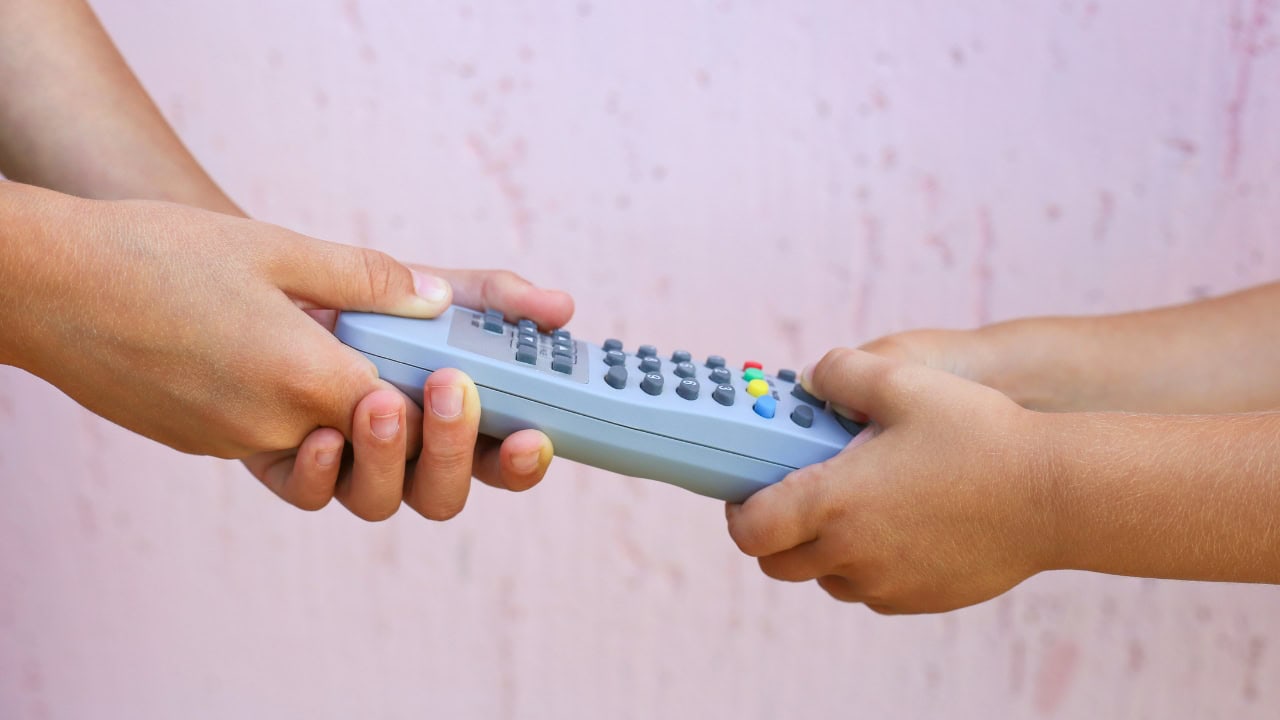
If your kid breaks a toy by being reckless or throws the remote during a tantrum, that item doesn’t need to be replaced—or handed right back. Letting them go without it for a while makes the consequence feel connected.
You’re not being mean, you’re showing them how responsibility works. They’ll learn that when they misuse something, it’s not automatically fixed or replaced. And next time, they’re more likely to treat it with more care.
Miss Out on the Next Fun Thing
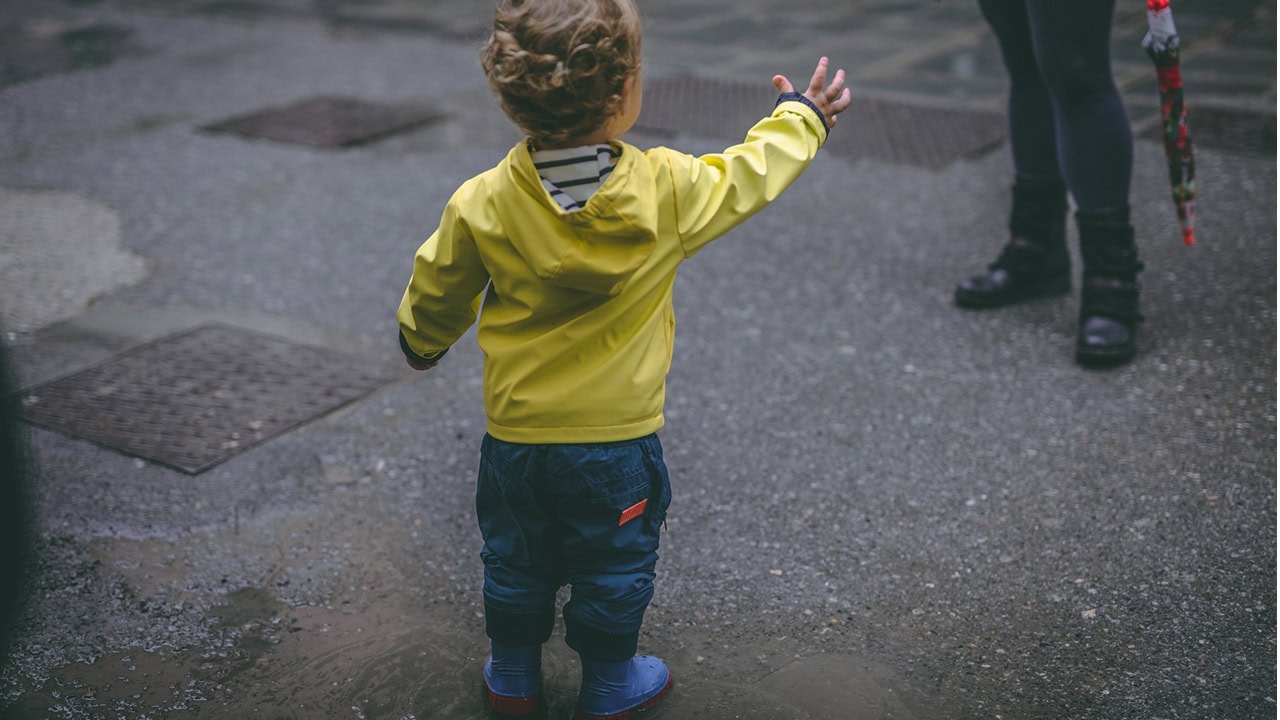
If they take too long getting ready or won’t stop dragging their feet during a transition, they might miss out on the next fun activity. That consequence ties directly to their behavior, no lectures needed.
This works well when you’re consistent. You don’t have to cancel the entire day—just move on without them or let them catch up when they’re ready. They’ll learn their delay has a cost without you raising your voice.
Pause Privileges Until Responsibilities Are Met

When chores, homework, or basic expectations aren’t handled, things like screen time, toys, or playdates go on pause. You’re not taking things forever—just holding off until the job gets done.
It’s not a threat, it’s a reset. You’re teaching that privileges come after responsibilities. Over time, they’ll start linking good habits with the rewards they want, which leads to more self-regulation and fewer fights.
Let Natural Consequences Play Out (When It’s Safe)

If your kid forgets their lunch or doesn’t wear a jacket even after a warning, let them experience the result—as long as it’s not harmful. Sometimes the lesson hits harder when you don’t interfere.
This teaches independence and accountability without you micromanaging every move. You’re not being cold. You’re giving them space to learn through experience, which often has more impact than a long speech.
Require Them to Repair or Replace What They Damaged
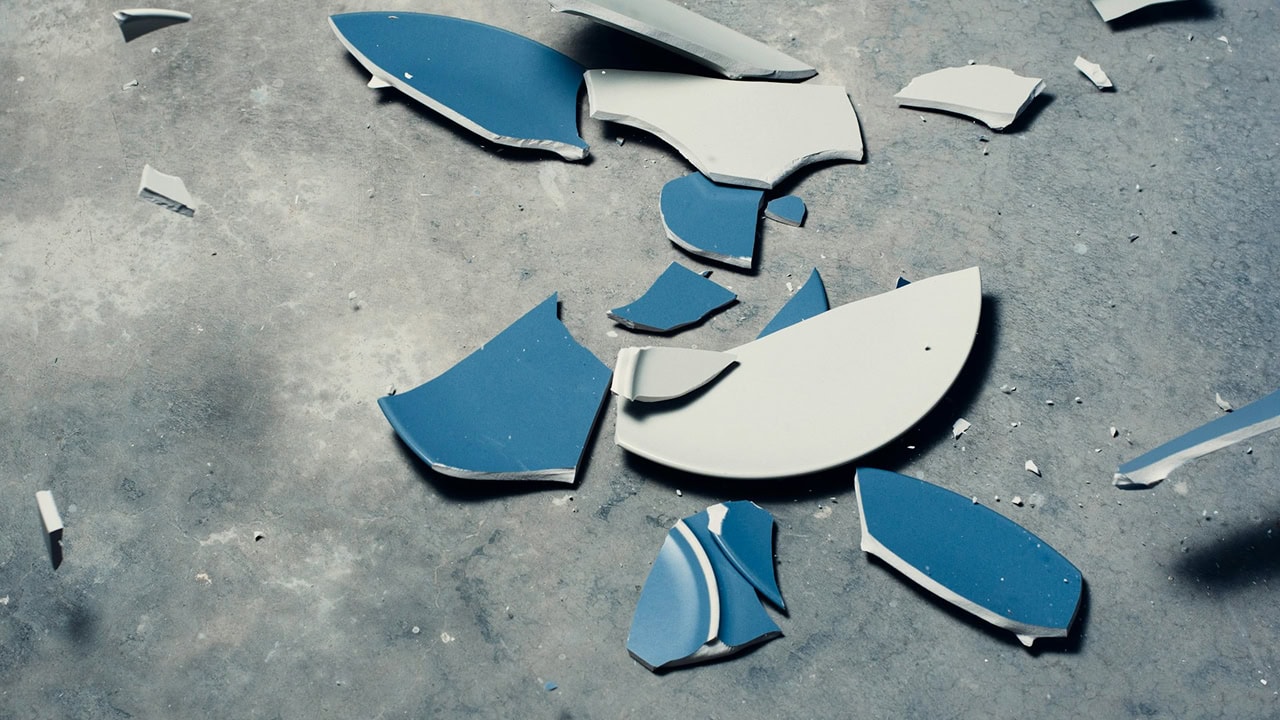
When a kid breaks something out of frustration or carelessness, have them repair it, replace it, or contribute toward fixing it. That might mean using allowance money or helping clean up.
This shifts the mindset from “Mom or Dad will handle it” to “I’m responsible for what I damage.” Even small efforts—like taping up a ripped book—help build a sense of ownership and control over their choices.
Re-Do the Task the Right Way

If your kid rushes through something on purpose—like making the bed sloppily or “folding” clothes into a pile—have them redo it. It teaches that cutting corners doesn’t pay off.
You’re not punishing them, you’re reinforcing that work needs to be done well to count. And if it takes longer the second time, they’ll usually remember that effort upfront saves time and energy.
Let Them Sit Out When They’ve Disrupted the Group
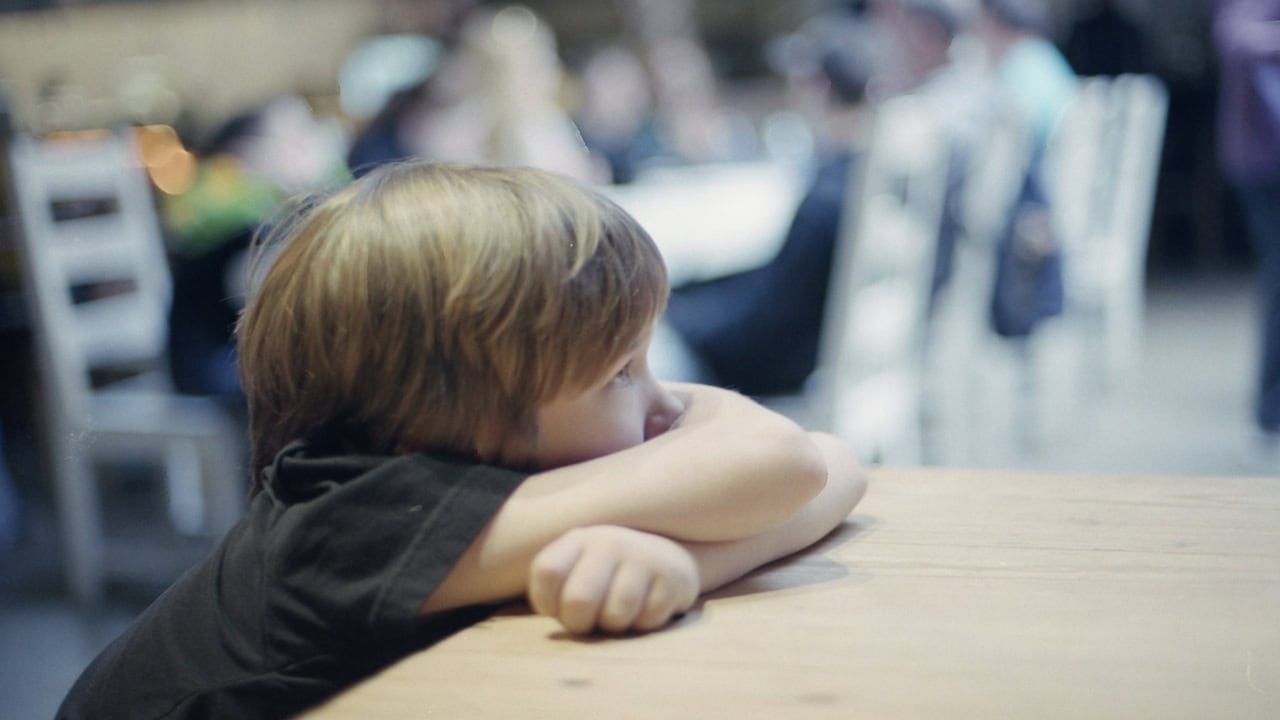
If your kid is being disruptive during a game or group activity, remove them for a few minutes until they’re ready to participate respectfully. You’re not sending them off in shame—you’re giving them a reset.
This helps them understand that group participation requires cooperation. Once they’ve calmed down or regrouped, they can come back in. It’s an effective, calm boundary that keeps the environment healthy for everyone.
Postpone the Reward or Activity

If they earned a treat, trip, or extra screen time but then had poor behavior leading up to it, you don’t have to cancel it entirely—but you can delay it. A postponed reward can make a bigger impression than one that’s taken away.
Let them know it’s still happening but needs to wait until behavior improves. It keeps the reward in sight while reinforcing that certain actions have a cost. They’ll remember the delay more than a loud lecture.
Involve Them in Fixing the Fallout
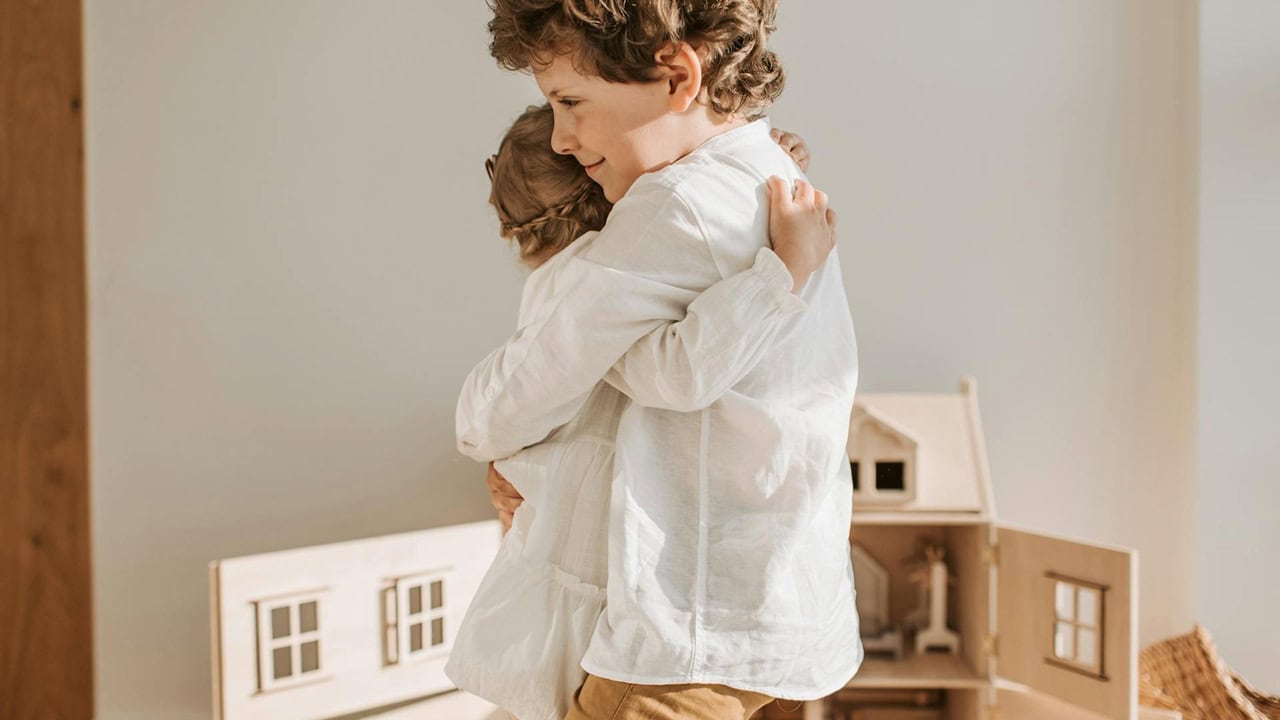
If their mess affected someone else—like spilling something on a sibling’s stuff or interrupting a phone call—have them help make it right. That might mean apologizing, helping clean up, or doing something thoughtful in return.
It builds empathy and accountability without turning it into a guilt trip. They start to see how their actions impact others, and they learn that making things right is part of growing up.
Make Boredom the Default
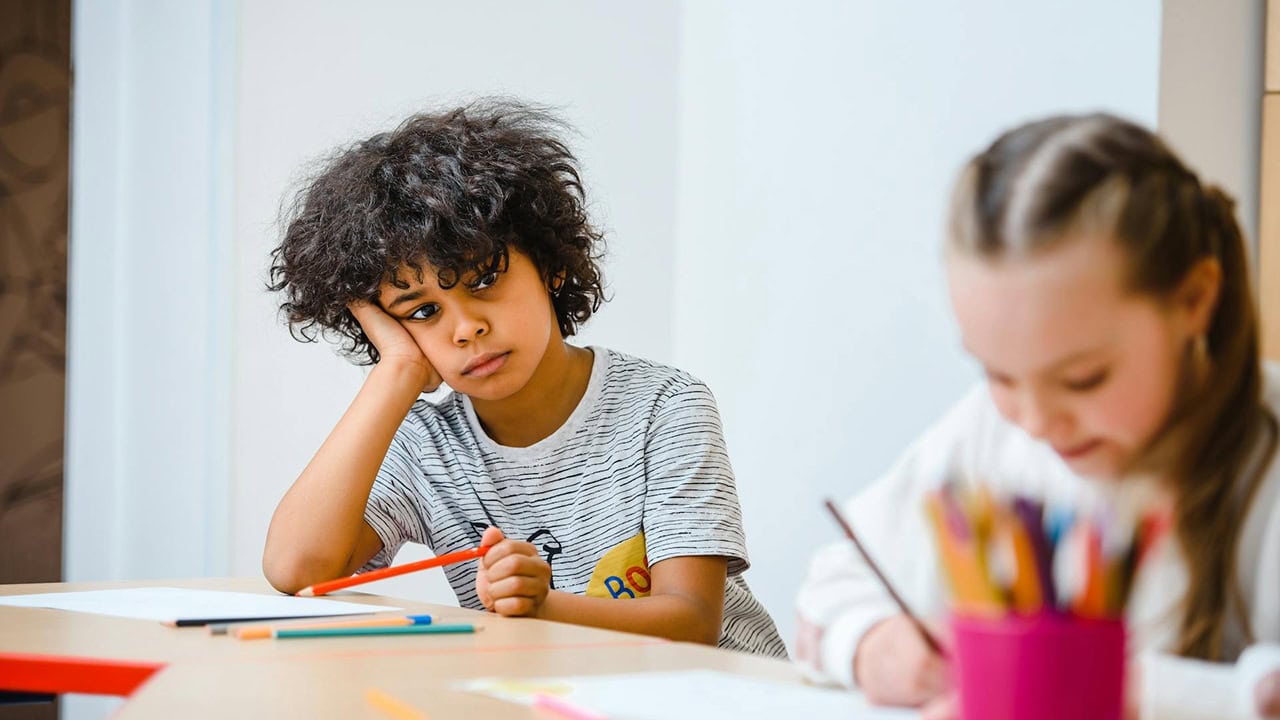
When behavior gets wild or disrespectful, take away the fun—not as punishment, but as a logical result. If they’re being unsafe or unkind, the game, screen, or outing ends and boredom sets in.
You’re not scrambling to fill the time with lectures or backup plans. You’re showing them that acting out doesn’t get them attention or excitement—it gets them a quiet reset. Over time, that quiet space teaches more than yelling ever could.
*This article was developed with AI-powered tools and has been carefully reviewed by our editors.
Leave a Reply