
10 places I always check before spending more than $10
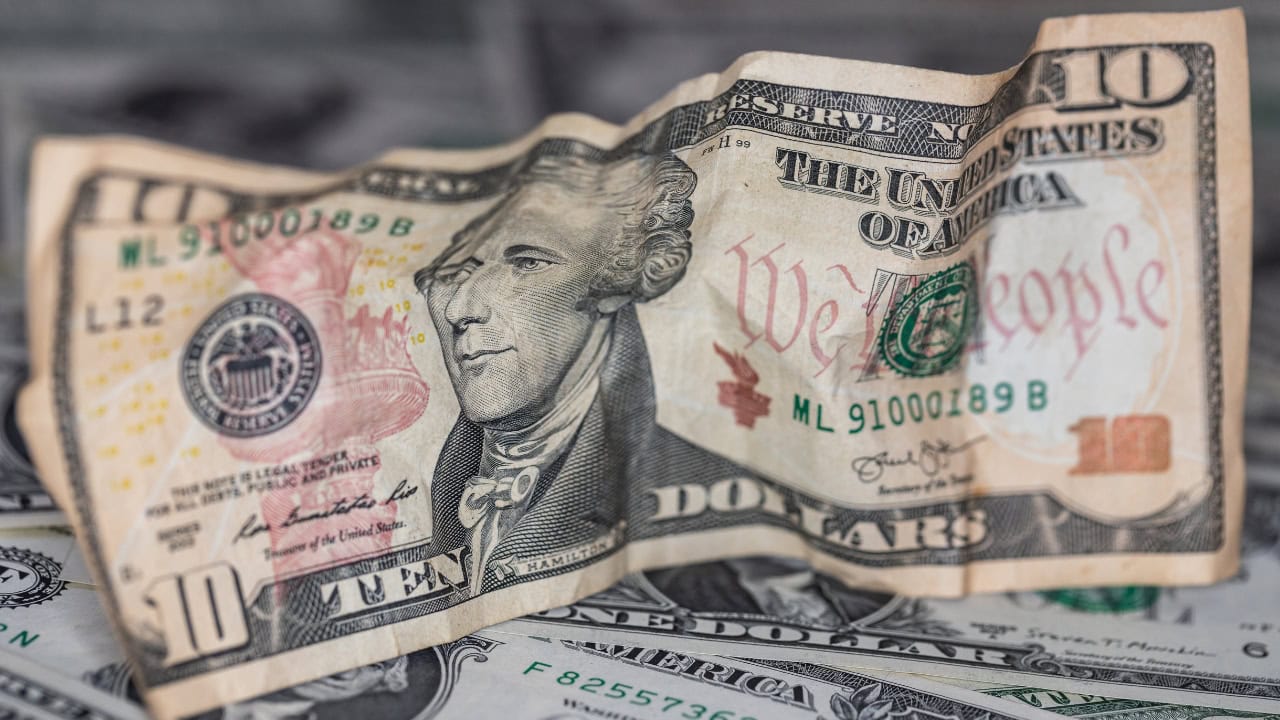
It’s easy to let small purchases slip by without thinking, but those “under $20” buys are often what drain your budget fastest. Over time, they add up to more than the bigger things you actually plan for.
To keep myself on track, I started setting a rule: before spending more than $10, I make myself check a few key places first. It slows me down, helps me use what I already have, and keeps me from wasting money. Here are ten places worth checking before you buy.
Your pantry
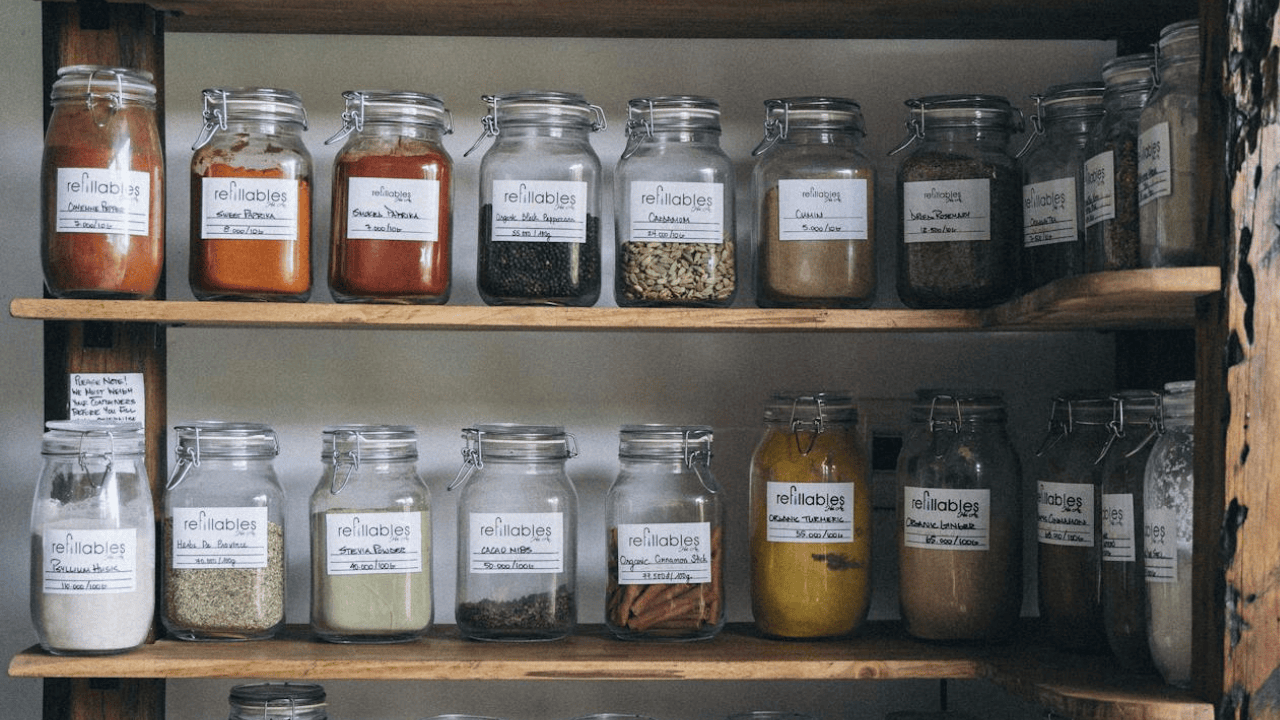
A quick look in your pantry can save you from buying duplicate food or snacks. Most of the time, you already have what you need shoved in the back.
This habit keeps groceries from piling up and reduces waste. It also makes you more intentional about using what you’ve already paid for before adding to the pile.
The fridge and freezer
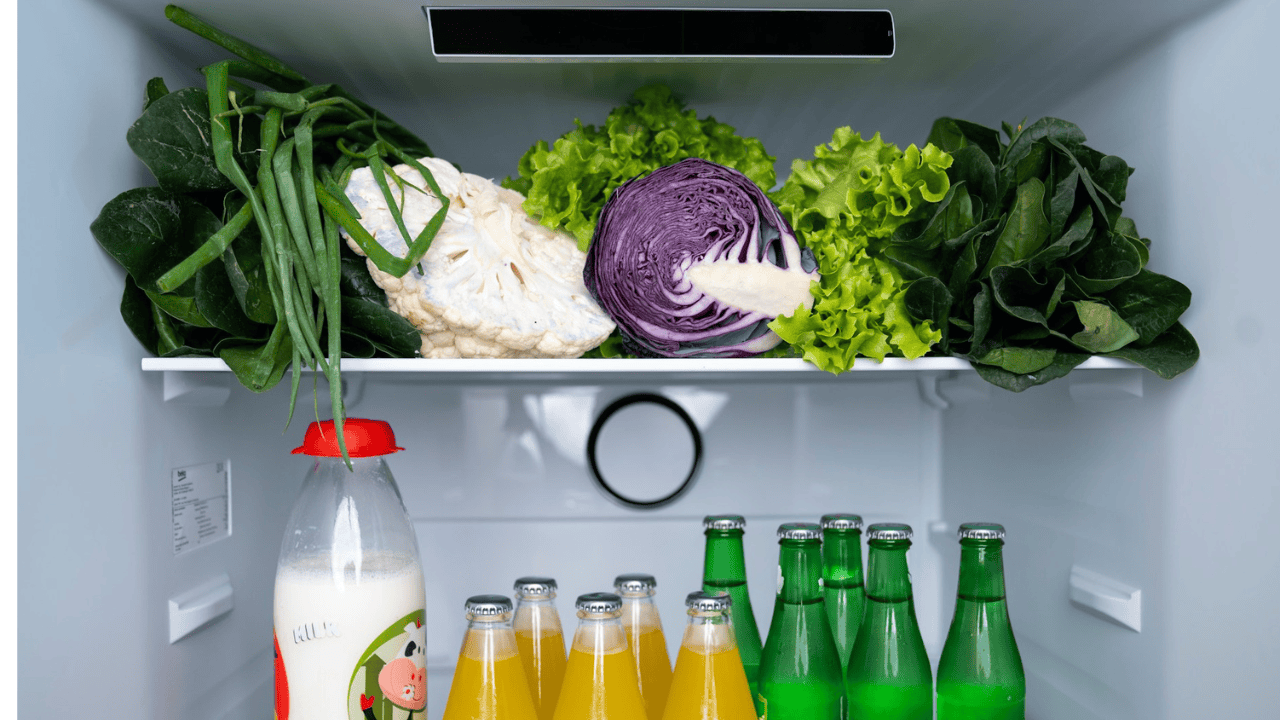
It’s easy to forget what’s hiding behind leftovers or at the bottom of the freezer. Checking here first helps you avoid throwing away food you never got around to eating.
You’ll save money and cut down on food waste. Often, you can make a meal out of what you already have instead of spending more on new groceries.
Your closet
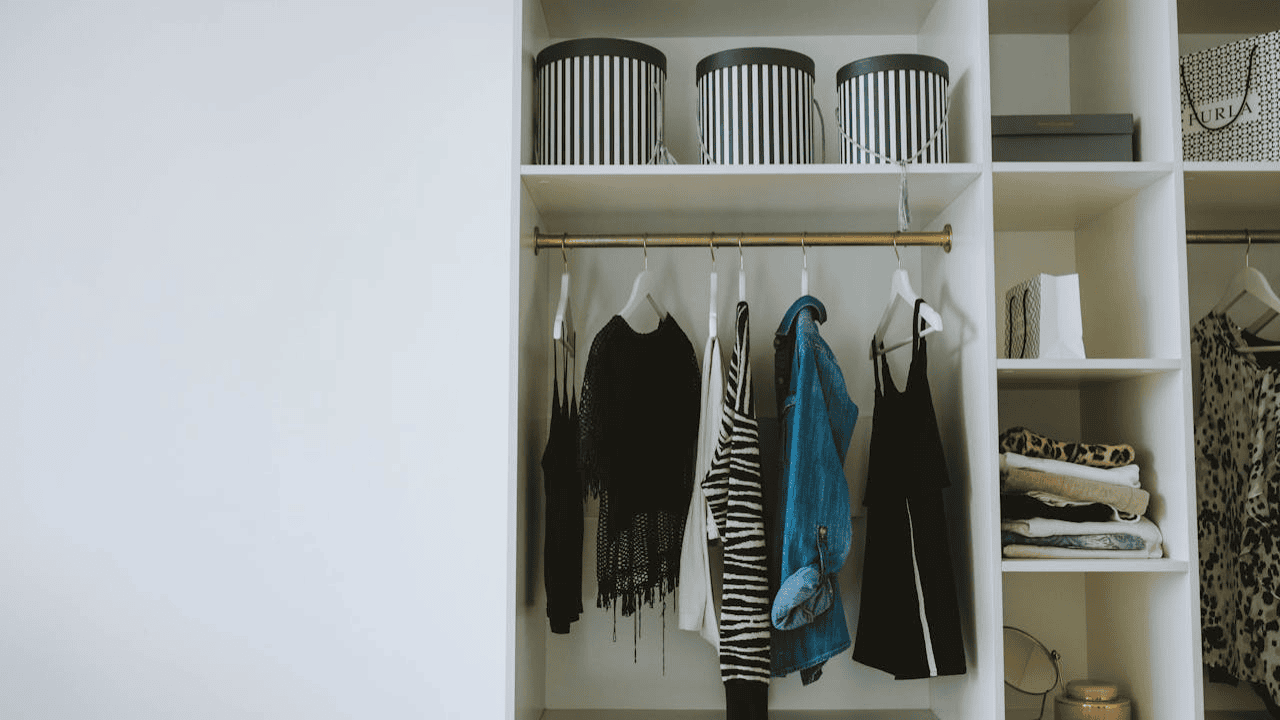
Clothes, shoes, and accessories are one of the easiest areas to overspend on. Before heading to the store, check what’s already in your closet.
You’ll probably find pieces you haven’t worn in a while that work just as well as something new. Shopping your closet first stretches your budget without sacrificing variety.
The junk drawer
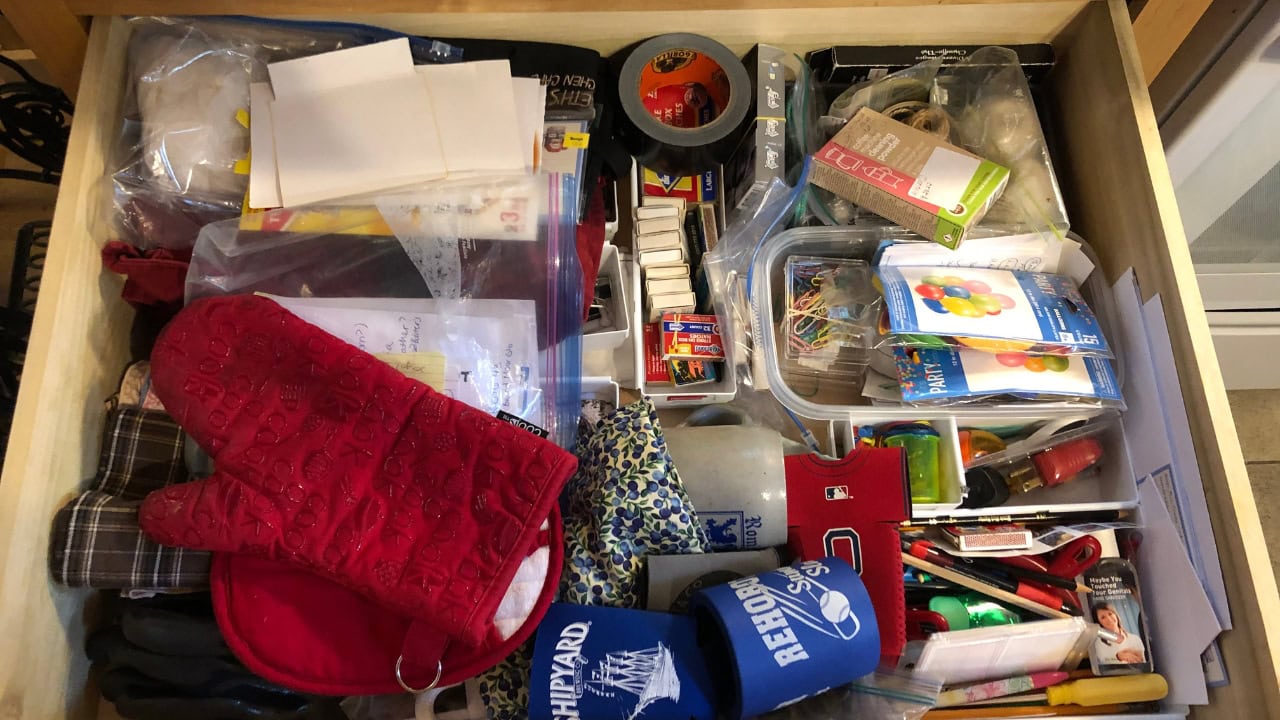
Household odds and ends—batteries, tape, scissors—often get tossed into the junk drawer and forgotten. Instead of rebuying, check there before spending money on replacements.
This habit helps you use up what’s on hand and keeps clutter from piling up. More often than not, the “new” thing you thought you needed is already sitting in that drawer.
Your car
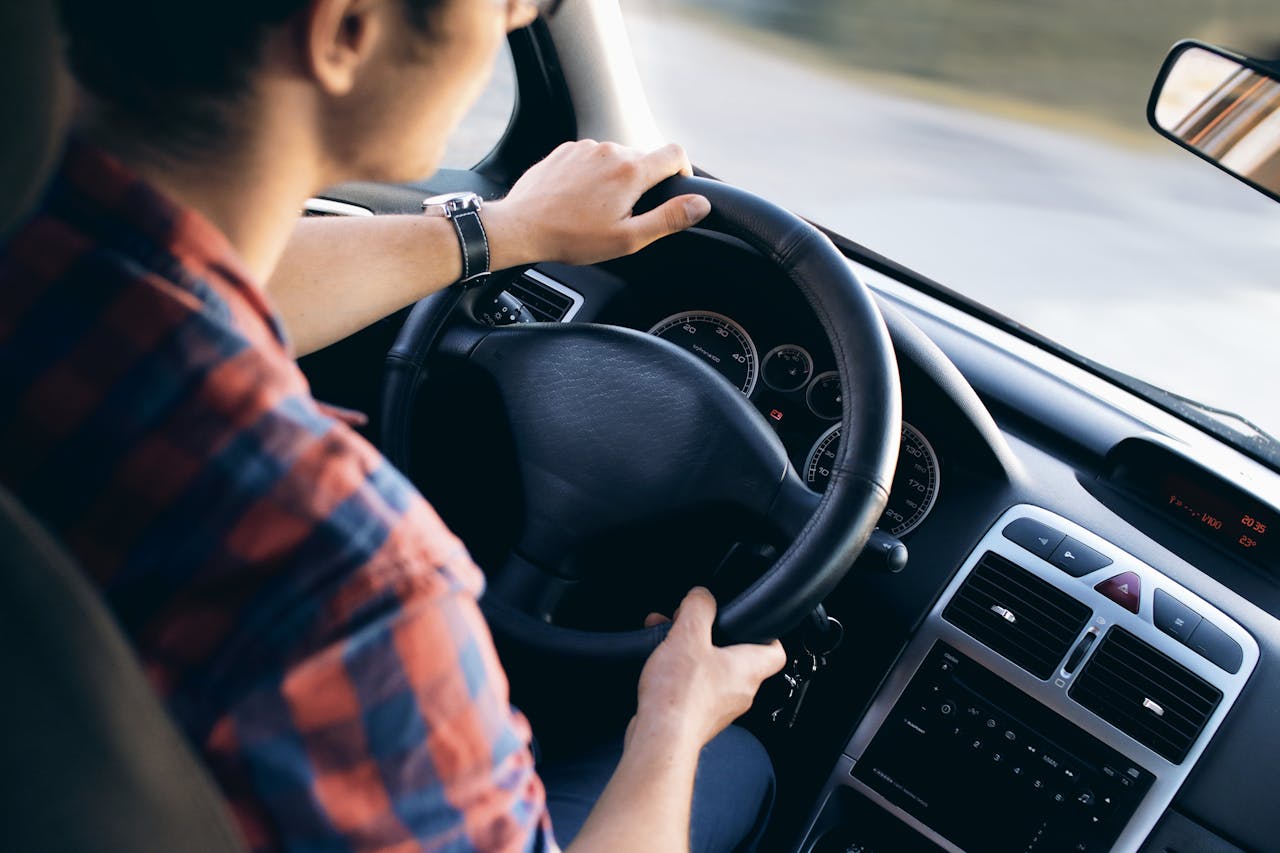
Gloves, water bottles, umbrellas, even phone chargers—many of these small items are already stashed in your car. A quick check can save you from buying extras.
Cars often double as storage without you realizing it. Taking a look before spending helps you avoid duplicates and saves both money and space.
Online order history
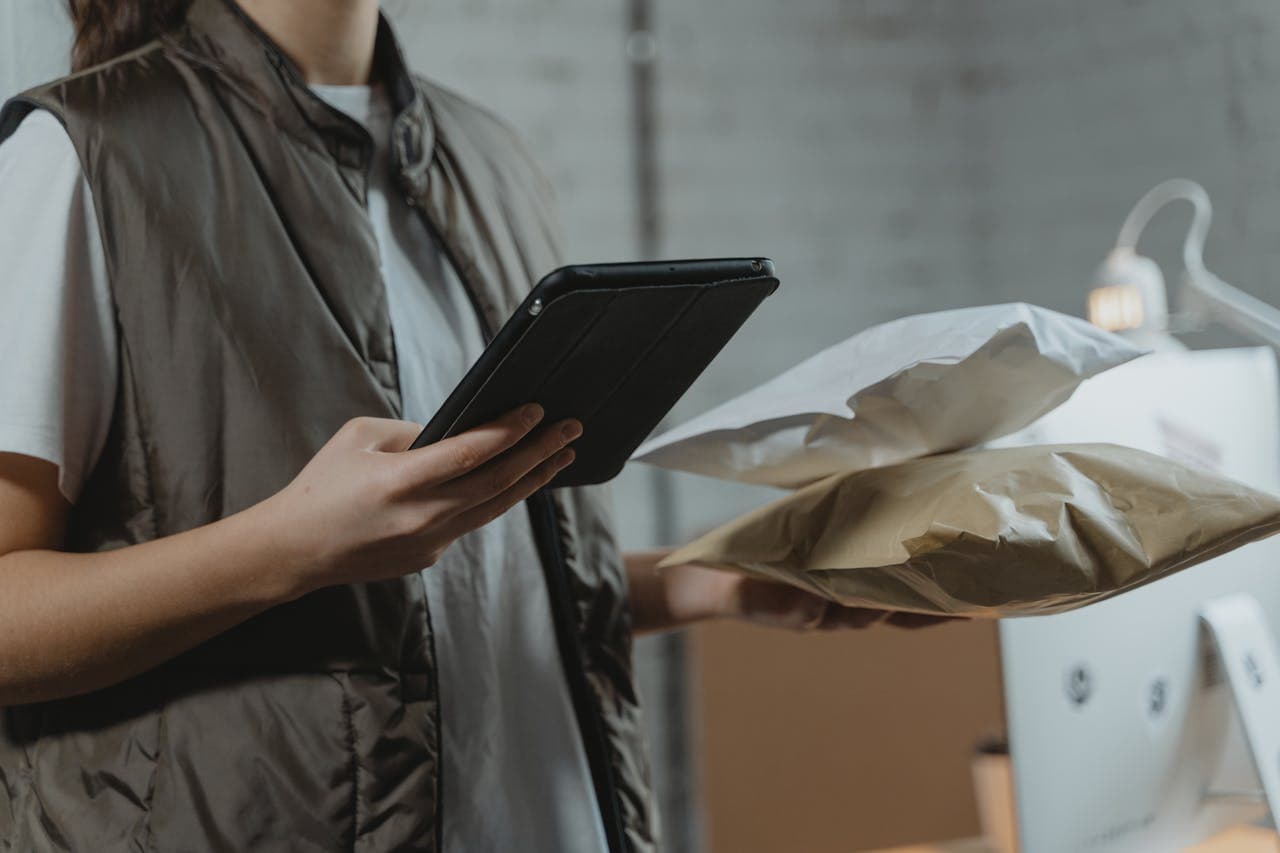
Before making a new purchase, check your online shopping accounts. Sometimes you’ve already ordered it in the past and forgot.
This is especially helpful for small household items or supplies. Looking at your order history can remind you where to find extras before you spend more.
The bathroom cabinets
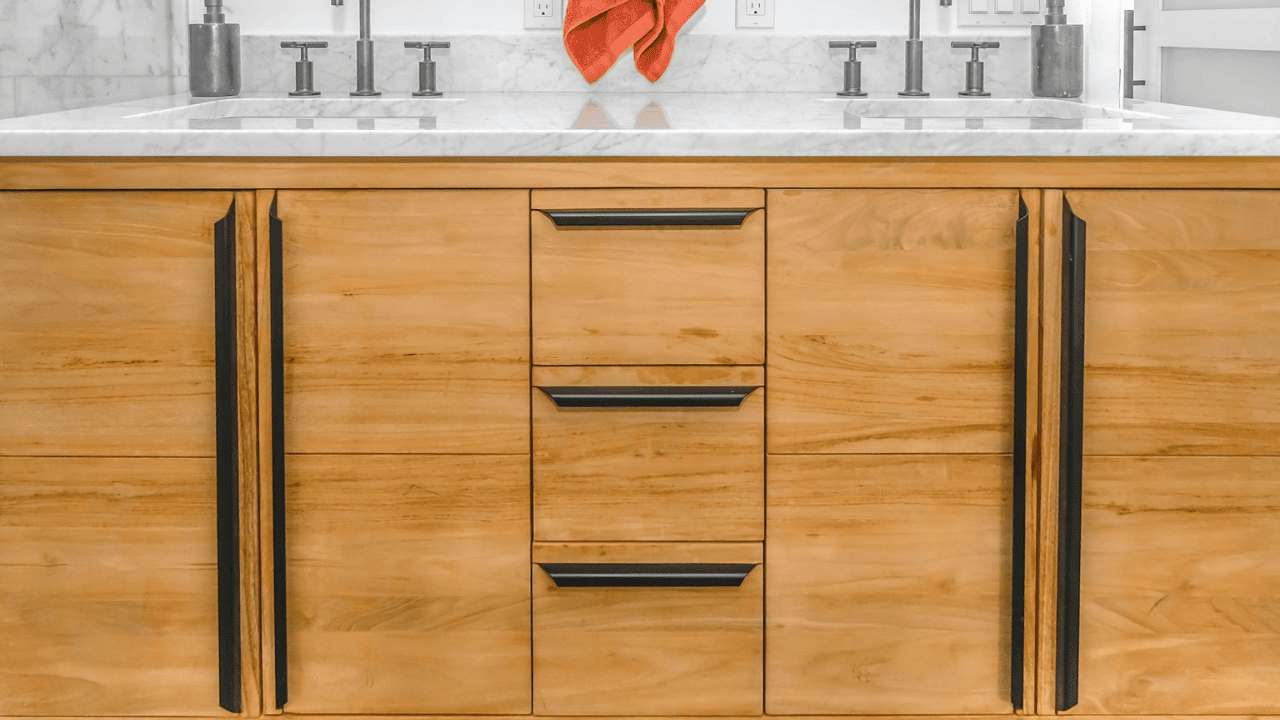
Toiletries and cleaning products often hide in bathroom cabinets. It’s easy to think you’re out of shampoo or soap when you still have backups tucked away.
Doing a quick check keeps you from stockpiling what you don’t need yet. It also helps you rotate products before they expire or go unused.
Storage bins or garage shelves
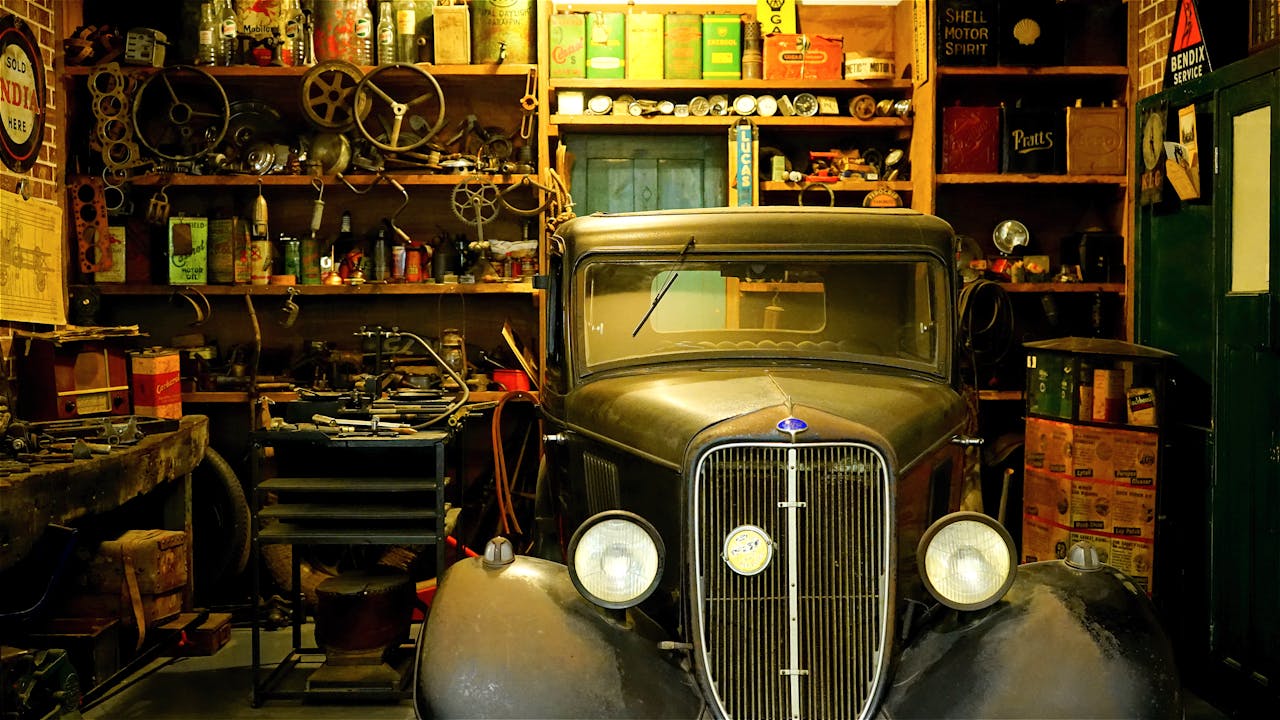
Seasonal items, extra household supplies, or tools often live in storage. Before rebuying, check what’s sitting in bins or on garage shelves.
You’ll often find what you need hiding there. Making this a habit helps you stay organized while saving money on things you already own.
Your email for discounts
If you do need to buy, it’s worth checking your email for coupons or rewards. Many stores send out discounts regularly, and it only takes a minute to look.
This quick step makes sure you’re not overpaying when you do spend. Even a small discount adds up when you’re consistent about using them.
Price comparison apps or websites
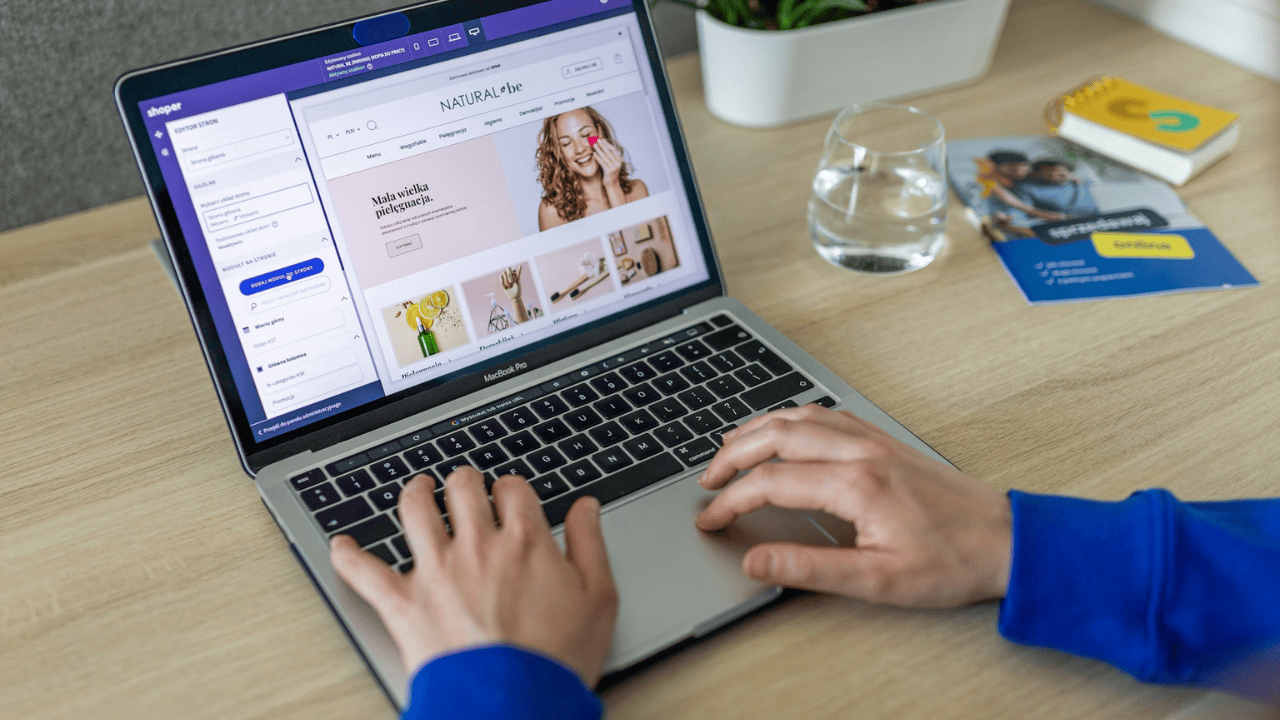
Before buying, take a minute to check a price comparison app or website. It’s an easy way to see if another store offers the same item for less.
Doing this consistently helps you avoid overspending. It may only save a few dollars each time, but across a year, those savings add up fast.
*This article was developed with AI-powered tools and has been carefully reviewed by our editors.
Leave a Reply