
10 parenting choices that made my home calmer
If everything in your house feels loud, chaotic, or tense, it might not be the kids—it might be the patterns. Kids will always test limits, make messes, and melt down sometimes. But some choices really do make things smoother.
Once I figured out what to let go of, what to stick to, and where to shift my own habits, the whole house felt easier to manage. These changes didn’t make me a perfect parent—but they gave us all a little more breathing room.
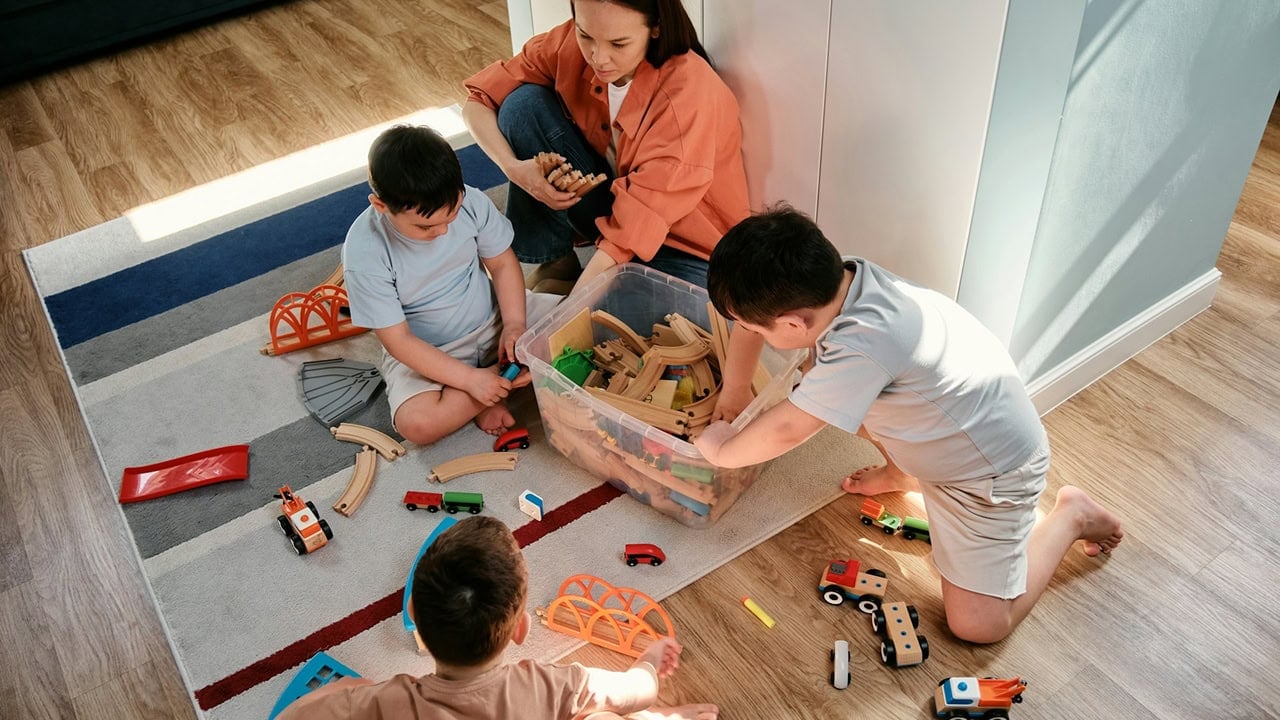
Keeping Fewer Toys Out at Once

Too many options made my kids overstimulated and cranky. When I started rotating toys instead of leaving everything out, they played longer, fought less, and cleaned up without needing me to hover.
You don’t have to get rid of everything. Keep some things stored and swap them out every couple weeks. It keeps things feeling new without adding more clutter. And when the environment is calmer, the kids tend to follow suit.
Saying No to Overscheduling

When every day had something on the calendar, nobody was happy—not even the kids. They were overstimulated and overtired, and I was running on fumes.
Pulling back on outside commitments gave us more downtime at home, which actually helped everyone’s moods. It doesn’t mean cutting everything, but having slow evenings and unscheduled weekends made a bigger difference than I expected.
Following Through the First Time

I used to repeat myself ten times before anything happened. It made the kids ignore me, and it made me lose my temper. Once I started following through right away, things changed fast.
They learned I meant what I said. And because I wasn’t nagging or raising my voice constantly, the house felt calmer—even during transitions or cleanup. The key was staying consistent, even when it was inconvenient.
Lowering My Voice Instead of Raising It

Yelling never actually helped. It might’ve made me feel heard in the moment, but it didn’t teach them anything. Once I started lowering my voice when I was upset, they actually listened more.
It doesn’t come naturally, especially in the middle of a meltdown. But staying quieter helped me stay in control, which helped them calm down faster too. The more I modeled regulation, the more they picked it up.
Building Predictable Routines

Kids do better when they know what’s coming. That doesn’t mean you have to live on a rigid schedule, but having routines for meals, naps, and bedtime helped everything else fall into place.
Once those anchors were set, the rest of the day felt easier. Fewer surprises meant fewer power struggles. It gave everyone a sense of rhythm, and the whole house ran smoother because of it.
Not Jumping in Right Away

Every time I rushed in to fix a problem, I was actually adding more chaos. Stepping back gave my kids room to figure things out—and gave me a second to breathe.
It didn’t mean ignoring them. It meant letting them try first before stepping in. Whether it was a sibling argument or struggling to put on shoes, giving them space made things less reactive and more thoughtful.
Letting Some Things Slide

I used to correct everything—how they said something, where they left their socks, the tone they used. It was exhausting, and it kept us all on edge.
Now I pick my battles. Not everything needs a comment or correction. Letting some things go gave me more energy to actually deal with the big stuff—and it made the kids feel less like they were walking on eggshells.
Cleaning When They’re Asleep

Trying to clean while toddlers are awake felt like running in circles. I’d get one thing done and turn around to find a new disaster. It made me resentful and frustrated.
Doing the main cleaning after bedtime helped me feel more in control. I still have them help with tidying up during the day, but I stopped expecting perfection during awake hours. That shift helped me enjoy them more.
Getting Up Before the Kids

If I waited for them to wake me up, the whole day started off rough. I was reactive instead of ready. Waking up even 15 minutes earlier helped me reset before the chaos started.
Having a quiet cup of coffee or throwing on real clothes before anyone needed me gave me more patience. It wasn’t easy at first, but it made the morning feel manageable instead of overwhelming.
Creating Quiet Zones

Our whole house doesn’t need to be loud and wild. I picked a few corners—like a reading nook or a cozy chair—and kept them screen-free and calm. The kids actually used them when they needed a breather.
They don’t always sit still, but when the environment invites calm, they match it. These little quiet spots helped all of us reset when things started to spiral. It’s been one of the easiest wins.
*This article was developed with AI-powered tools and has been carefully reviewed by our editors.
Leave a Reply