
There’s a reason your grandparents didn’t panic when gas prices went up or groceries got more expensive—they knew how to stretch a dollar. Before budgeting apps and digital banks, people managed money with methods that were grounded in common sense and discipline.
And even though times have changed, those old-school habits still hold up. If you’ve been trying to get your finances back under control, you might not need new tools—you might just need the mindset that used to work long before we had smartphones tracking every penny.
Write everything down
Tracking expenses by hand might sound outdated, but it forces you to stay aware of what’s actually leaving your wallet. When you write things down, you notice patterns—like how often you grab takeout or how much you spend on convenience items.
You don’t have to log every single dollar forever, but doing it for a month or two can reset how you see your spending. It’s a level of awareness that no app notification can replace.
Use cash for certain expenses
Paying with cash naturally limits how much you spend. When the envelope runs out, you stop spending—it’s that simple. This method works especially well for categories like groceries, dining out, or personal spending.
It also reconnects you to your money in a way digital payments don’t. Handing over actual cash makes you think twice before overspending, and that awareness alone can help you stay within your limits.
Keep an emergency fund separate
Older generations didn’t need a dozen savings accounts—they had one labeled “for emergencies,” and they treated it like it was off-limits. Having that boundary made a big difference.
You can do the same today by keeping your emergency fund in a separate bank or account you can’t easily access. It creates a buffer between you and the temptation to use that money for something else.
Plan purchases ahead of time
Impulse spending used to be rare because people planned for what they needed. They saved up, thought through the purchase, and made sure it was worth the cost.
That same mindset still works. Making a list before shopping or waiting a few days before buying something nonessential gives you space to decide if it’s really necessary—or just convenient in the moment.
Cook at home more often
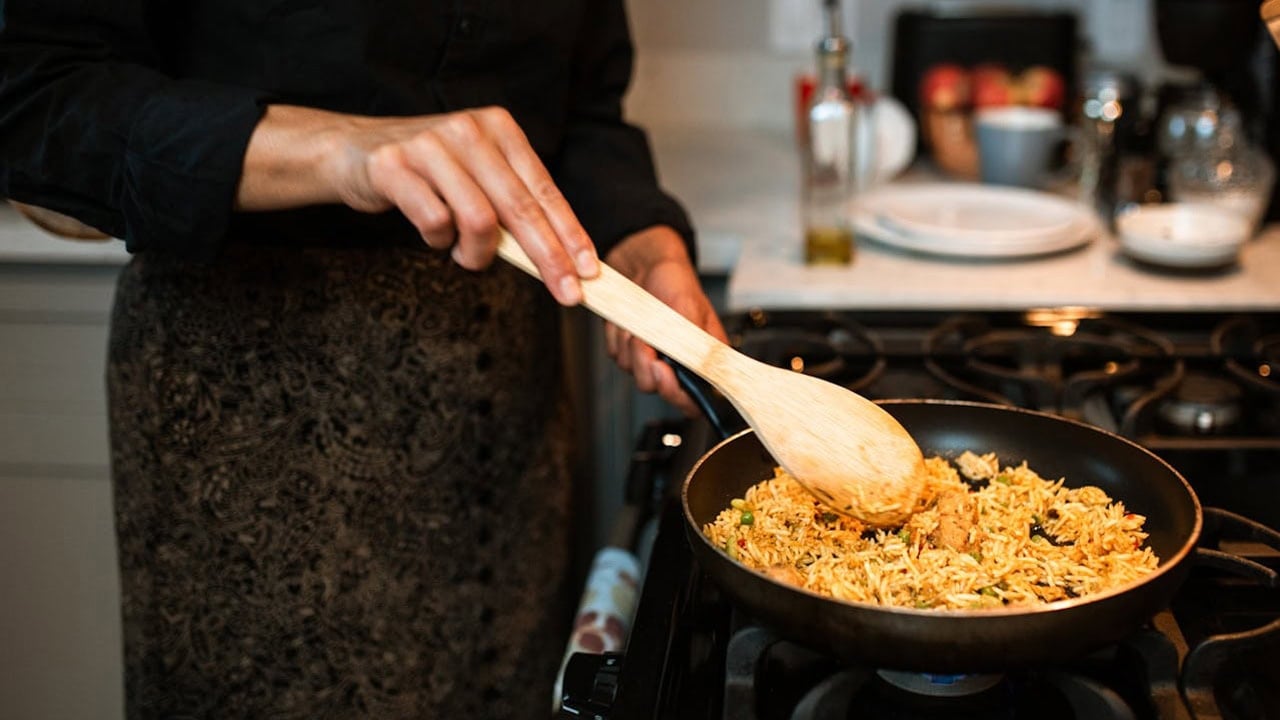
Eating out was once a rare treat, not a regular habit. Cooking at home saved money and helped people use what they had. Even now, meal planning and home cooking are two of the most effective ways to cut costs fast.
You don’t have to cook elaborate meals—just get back to basics. A few solid recipes, leftovers you’ll actually eat, and a stocked pantry can make a noticeable dent in your grocery bill.
Save small amounts consistently
The older way of saving wasn’t about big payoffs—it was about steady habits. Setting aside even $5 or $10 regularly builds momentum over time.
Consistency is what grows savings, not the amount. The more often you save, the more natural it becomes, and before you know it, you’ve built a cushion that gives you real breathing room.
Avoid debt whenever possible
Credit was once a last resort, not a way of life. People saved for what they wanted or went without until they could afford it. That mindset can still protect you today, even with how easy it is to borrow.
If you can’t pay something off within a few months, it’s probably not worth the long-term cost. Avoiding interest altogether keeps more of your money where it belongs—in your pocket.
Repair instead of replace
Older generations fixed what broke instead of running out to buy something new. Whether it was mending clothes, sharpening tools, or patching up furniture, they got more life out of what they already owned.
That habit still pays off. Learning basic repair skills can save hundreds every year. It also helps you value what you have instead of always chasing the next upgrade.
Stick to a set grocery budget

Grandparents didn’t go into stores without a plan. They knew exactly how much they could spend and worked within it. Coupons, store brands, and planned meals helped them stay on track.
You can do the same by setting a weekly grocery limit and sticking to it. The discipline of working within a set number helps you think strategically about what you really need—and what’s just filler in the cart.
Celebrate progress without spending
People used to reward themselves with time, rest, or good company—not shopping sprees. Finding joy in free or low-cost moments helps you keep more balance and less financial stress.
You don’t have to give up fun to stay on budget, but shifting your mindset from “spend to celebrate” to “enjoy what’s already mine” can completely change how you view money and success.
*This article was developed with AI-powered tools and has been carefully reviewed by our editors.
Leave a Reply