
10 money-saving tricks most people don’t think of
When it comes to saving money, most advice circles around the same basics—cutting coffee runs, using coupons, or setting a budget. While those do help, there are smarter, less obvious tricks that can put extra cash back in your pocket. The key is looking beyond the standard advice and finding areas where small adjustments have a bigger payoff. These are practical strategies you may not have thought of before, but they can quietly add up to real savings over time.
Negotiate Medical Bills

Most people don’t realize medical bills are often negotiable. Calling the billing department and asking about discounts for paying in full or setting up a payment plan can lower the total. Hospitals also have financial assistance programs that many patients qualify for but never use.
By being proactive instead of accepting the first bill you get, you can save hundreds or even thousands. It takes a little persistence, but the savings are worth the effort.
Cancel Auto-Renewals Before They Hit
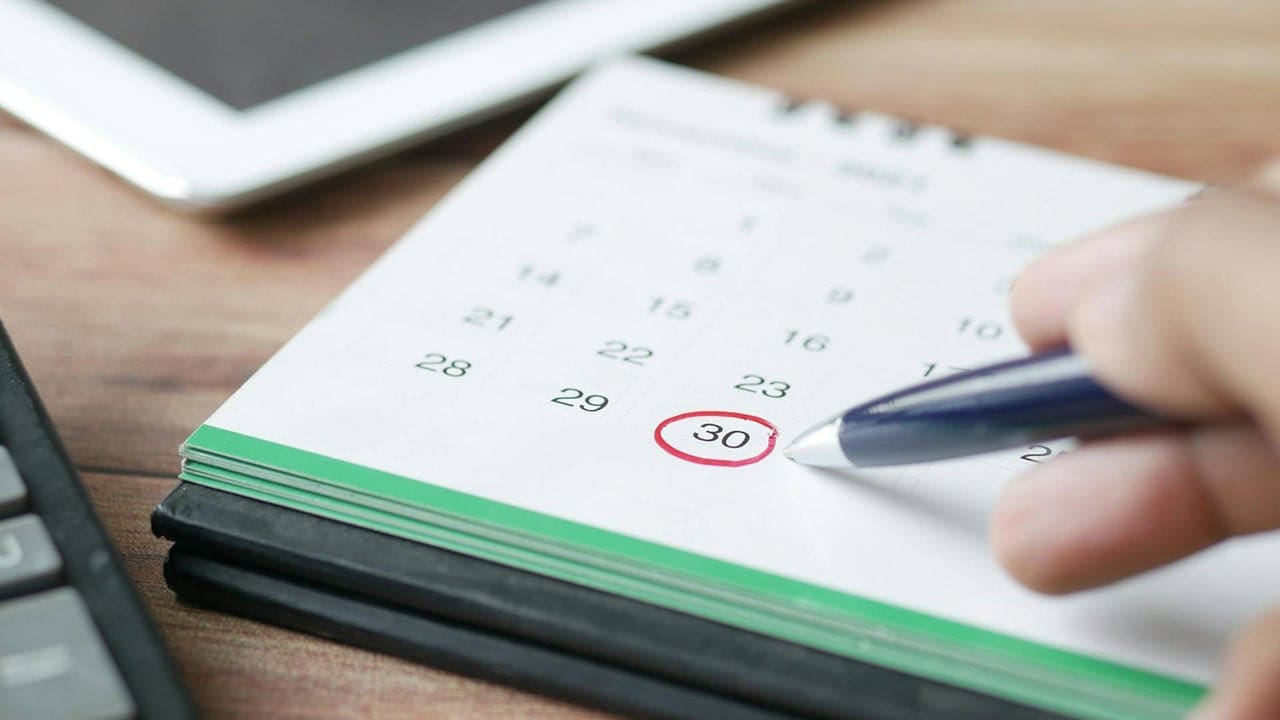
Subscription services count on you forgetting about auto-renewals. By setting calendar reminders to review memberships before renewal dates, you can decide if you still want them. Even streaming platforms can be rotated—you don’t need all of them active every month.
This habit keeps recurring charges from piling up unnoticed. Over the course of a year, trimming unused subscriptions frees up far more money than most people expect.
Ask About Cash Discounts

Some local businesses offer lower prices if you pay in cash because they avoid card processing fees. It’s not always advertised, but it’s worth asking at places like repair shops, small restaurants, or local services.
Even a small percentage off adds up, especially if you’re paying for something larger like auto repair. Carrying cash occasionally can give you an edge in situations where most people swipe a card without thinking.
Check Unit Prices, Not Shelf Prices

The sticker price can be misleading. Looking at the unit price per ounce or per piece tells you which option actually gives more for your money. Stores rely on shoppers ignoring these details.
Sometimes the larger package isn’t the better deal, and sometimes it is. Paying attention to unit pricing helps you make decisions that save money without changing what you buy.
Use Your Library Beyond Books

Libraries aren’t only for borrowing books anymore. Many offer free access to audiobooks, e-books, streaming movies, online courses, and even museum passes. If you’re paying for these services elsewhere, checking your library first can save a lot.
It’s one of the most underused resources, and since you’re already paying for it with your taxes, you might as well take full advantage.
Call Your Insurance Company Annually

Insurance rates creep up over time, and many people never question them. Calling once a year to review your policy or shop competitors can reveal discounts for bundling, safe driving, or updated home features.
You don’t need to wait until your policy expires to ask. Companies are often willing to adjust rates to keep your business, and those savings stick year after year.
Buy Refurbished Electronics

Refurbished electronics aren’t the same as used—they’ve been repaired, inspected, and certified by the manufacturer or a trusted seller. Phones, laptops, and tablets can cost significantly less this way while still coming with warranties.
If you need an upgrade but don’t want to pay retail, refurbished options give you the performance you want without draining your budget. Many people overlook this and pay full price when they don’t have to.
Freeze Extras Before They Spoil

Groceries are one of the biggest areas of waste. Freezing bread, produce, and even leftovers before they go bad stretches your dollar. Pre-portioning meat or cooked meals makes it easier to use them later.
This habit not only saves money but also reduces food waste, which is like throwing cash straight in the trash. Freezers are one of the best tools for extending value from your groceries.
Ask for Price Adjustments
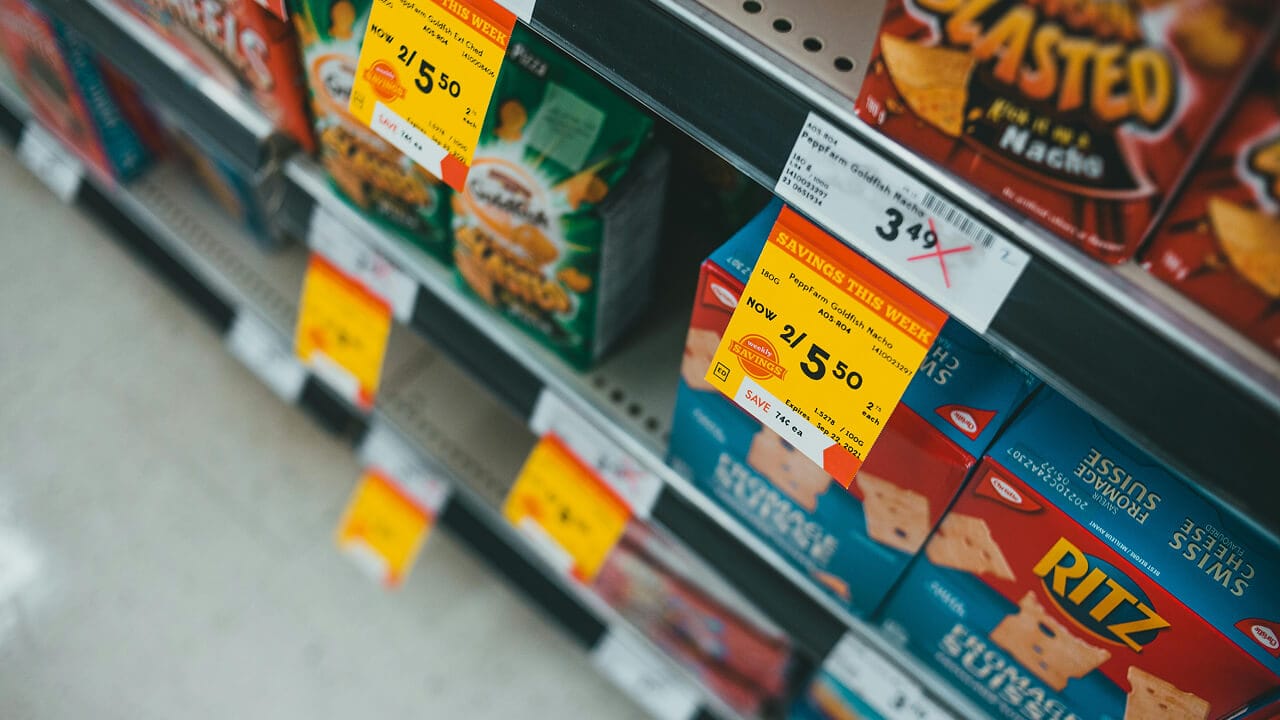
Many stores will refund the difference if something you bought goes on sale soon after. Most people never think to ask, but a quick call or trip back with your receipt can get you money back.
Policies vary, but it’s worth checking within a week or two of purchase. You’ll save without needing to return the item or rebuy it at the lower price.
Time Purchases Around Sales Cycles

Retailers have predictable sales cycles—appliances in spring, furniture in late summer, and electronics around the holidays. By planning purchases around these patterns, you avoid paying top dollar.
This doesn’t mean waiting forever—it means being strategic. Knowing when items typically go on sale helps you stretch your budget without cutting quality.
*This article was developed with AI-powered tools and has been carefully reviewed by our editors.
Leave a Reply