
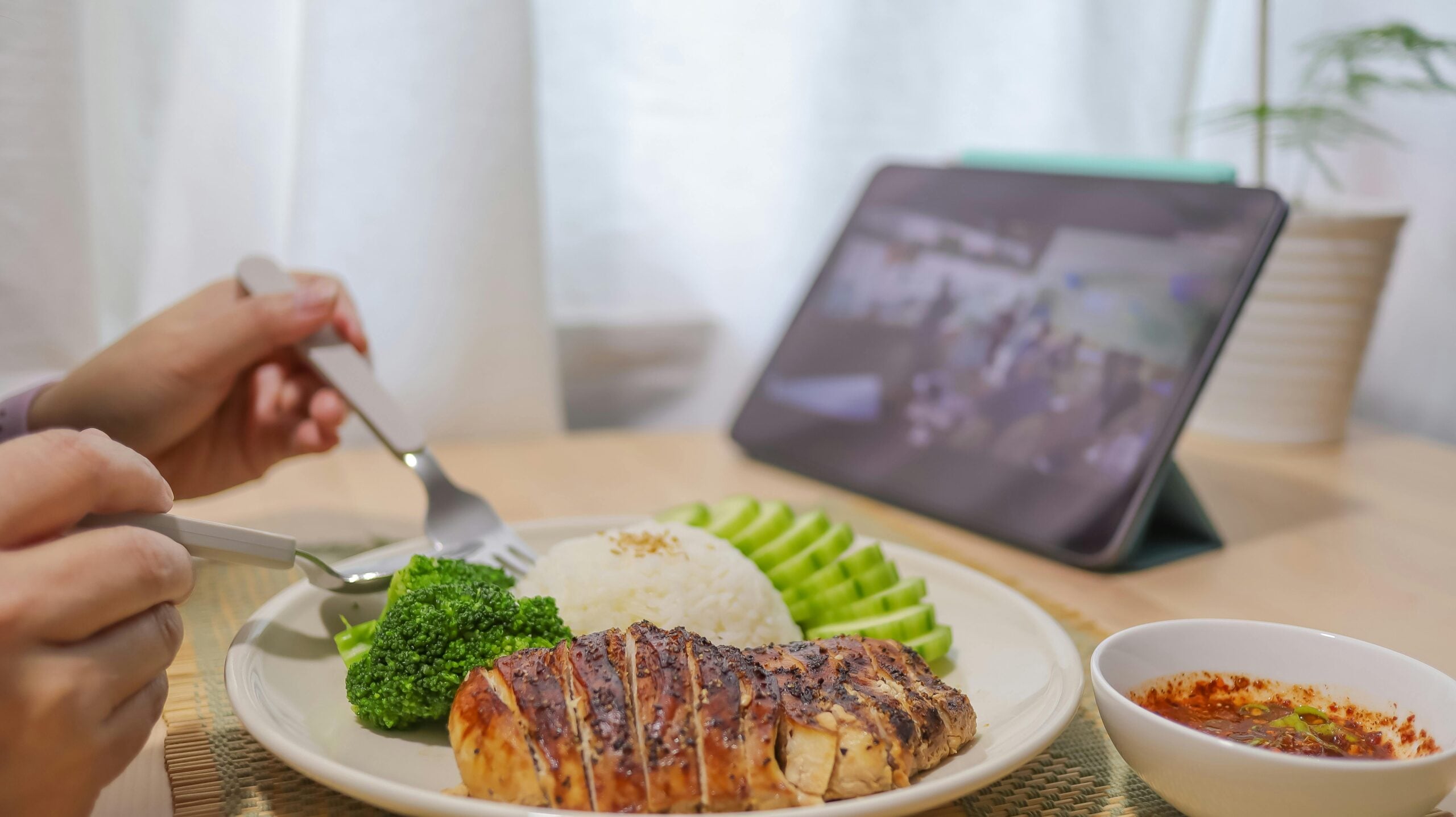
Feeding a family without blowing the budget takes more than clipping coupons. It’s the everyday habits that quietly add up—how you plan, prep, cook, and store food. Once we started paying attention to the little things, we realized we were wasting money without even realizing it. These meal habits didn’t feel extreme or complicated, but they completely shifted how we shopped and saved. Over time, they cut our bill by at least $80 a month—and we still eat well.
Doubling dinner for next-day lunches

If you’re already cooking, it takes almost no extra effort to make more. Doubling dinners and packing the leftovers for lunch the next day saved us from relying on pricey lunch meat, snacks, or fast food.
It also helped us stop overbuying “lunch foods” that weren’t really filling. When we started eating real food for lunch—leftover soup, stir fry, casseroles—we saved money and stayed full longer.
Cooking meatless at least twice a week
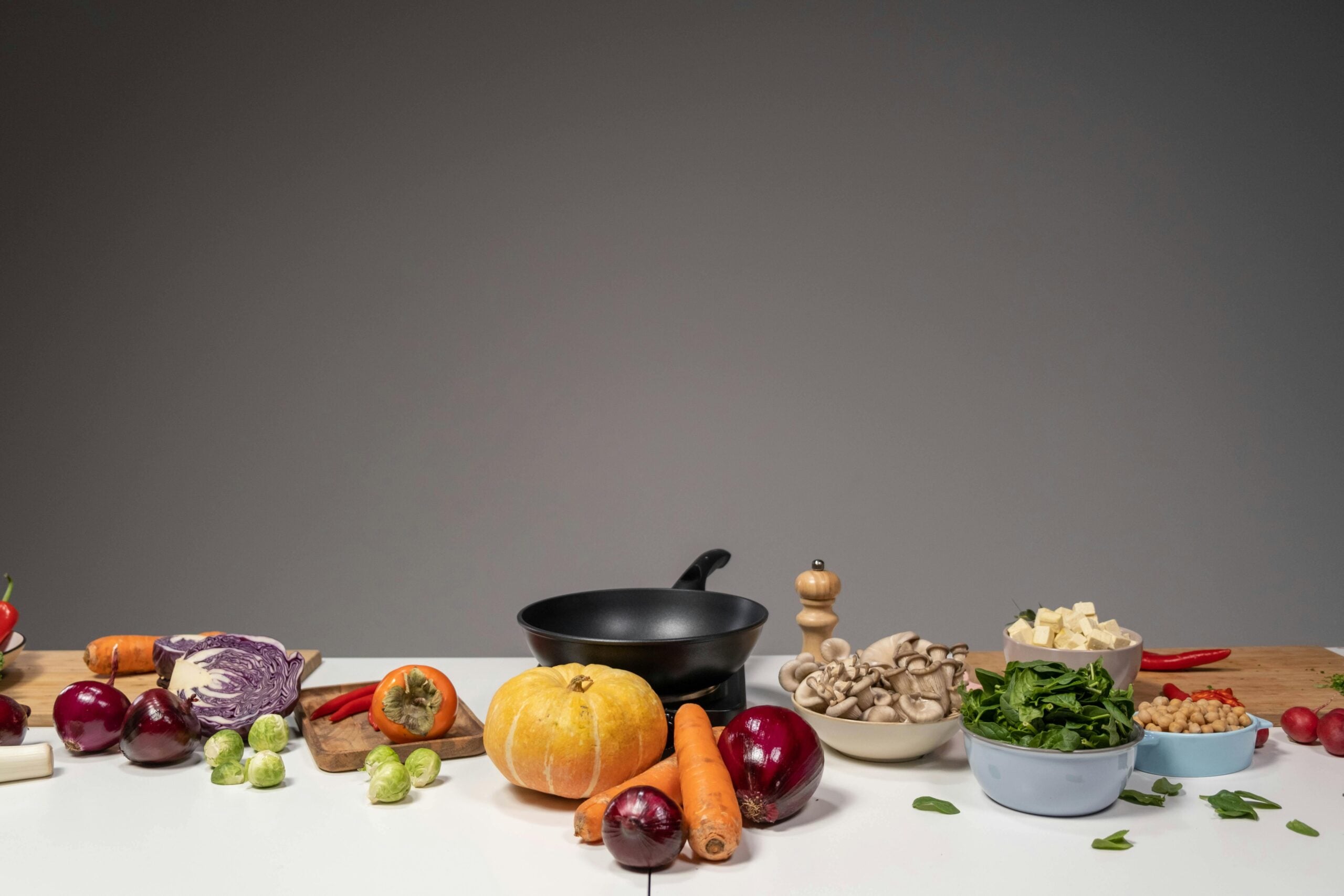
Meat is usually the most expensive part of any meal. We started intentionally planning two meatless dinners each week—think bean chili, pasta with veggies, or veggie stir fry with rice.
No one missed the meat, and it made the budget feel way more manageable. Once you build a few go-to meatless recipes, it stops feeling like a sacrifice and just becomes normal.
Keeping one dinner per week super basic

It doesn’t need to be fancy to feed your family. We started doing one super low-cost dinner a week—like pancakes, baked potatoes, or grilled cheese with frozen veggies. No meat, no extras.
It added breathing room to the grocery budget without feeling like we were skimping. That $4–$6 meal took pressure off the rest of the week and gave us a night where we could stretch what we had without feeling deprived.
Planning meals around what’s already in the house
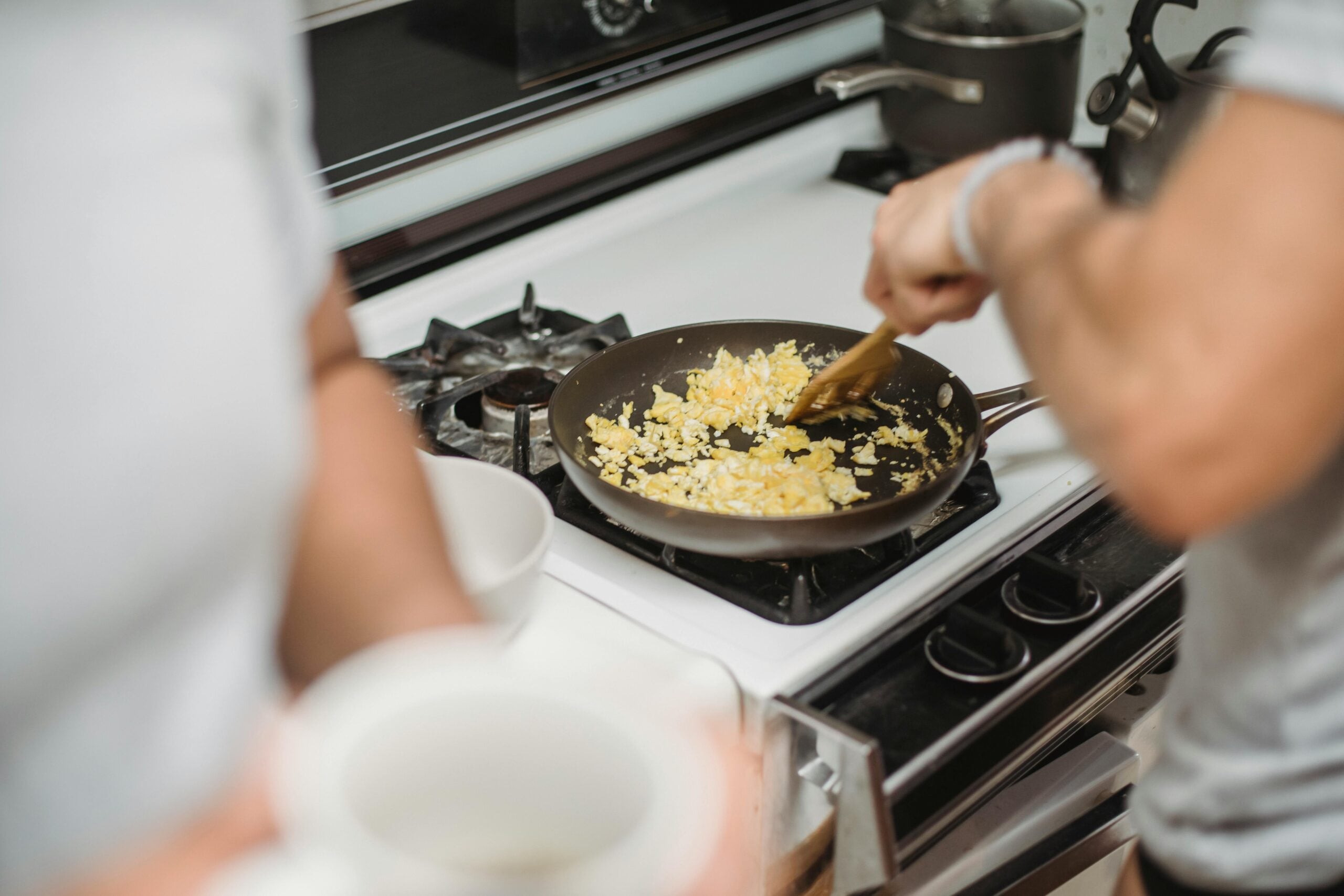
Instead of building a meal plan based on cravings or Pinterest finds, start with what’s already in your fridge and pantry. If you’ve got chicken thighs, a bag of carrots, and half a bottle of soy sauce, you’ve got the start of multiple dinners.
This one shift made us stop buying duplicates and helped us actually use the food we’d already spent money on. Less waste, fewer impulse buys, and way less guilt over forgotten produce in the drawer.
Buying meat only when it’s on sale
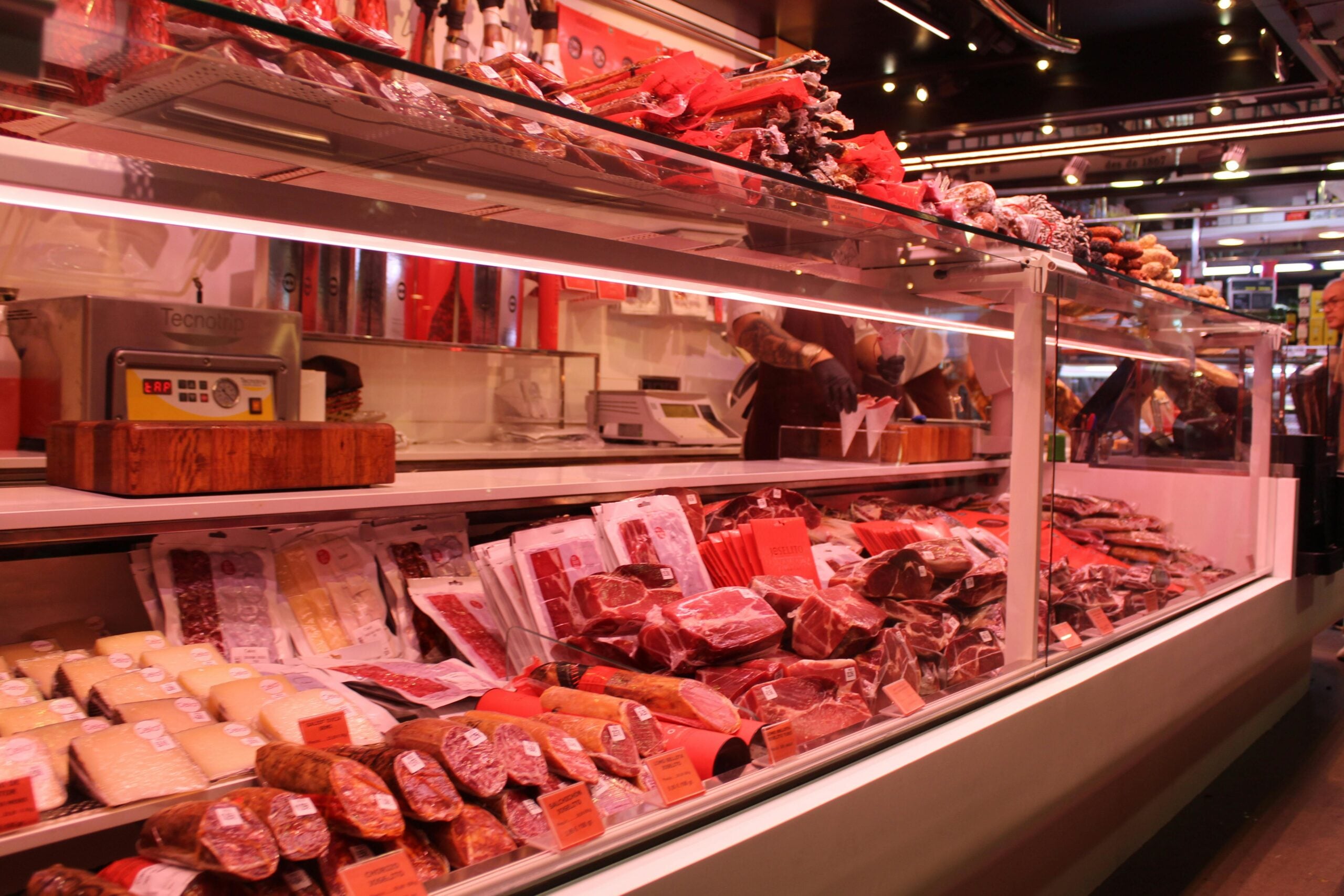
We don’t buy meat unless it’s on sale—period. When chicken breasts hit a good price, we buy multiple packs. Same with ground beef or pork. Then we freeze it in portions we’ll actually use.
This alone knocked a huge chunk off our weekly bill. It’s one of those habits that takes a little planning but pays off every single month without fail.
Cutting back to one snack purchase per person

Snacks are where things get expensive fast. Everyone grabbing a different kind means a cart full of random boxes and bags that disappear in two days. We cut it down to one snack per person, per week.
It forced all of us to slow down, appreciate what we picked, and stop treating snacks like filler. Our bill dropped, and our meals started holding us over better since we weren’t loading up on empty extras.
Making a “use it up” dinner once a week

Every week, we have one dinner that’s made entirely from things that need to be used up. It might be scrambled eggs with veggies, rice bowls, or leftover pizza ingredients on naan.
These meals are rarely fancy but always stretch our food further. You’d be shocked how often there’s a full meal hiding in the fridge if you give it five minutes of thought.
Swapping fresh for frozen when it makes sense
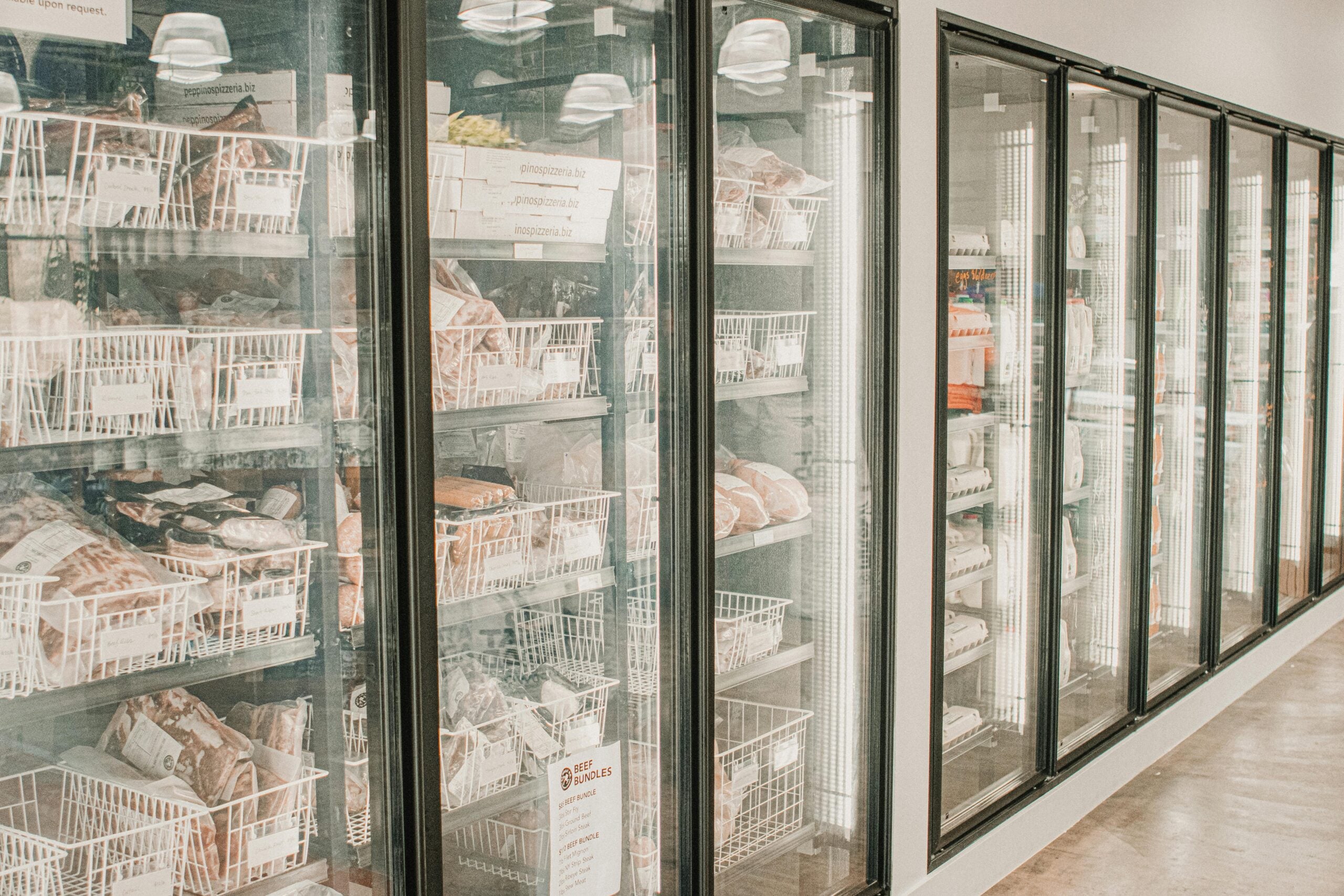
We love fresh produce, but not all of it gets used in time. Swapping some of those buys for frozen vegetables made a huge difference. Frozen broccoli, spinach, and peppers work great in most meals and never go bad.
It also helped us stop making emergency trips to the store midweek “for veggies,” which usually turned into $50 of things we didn’t need.
Putting the grocery budget in cash
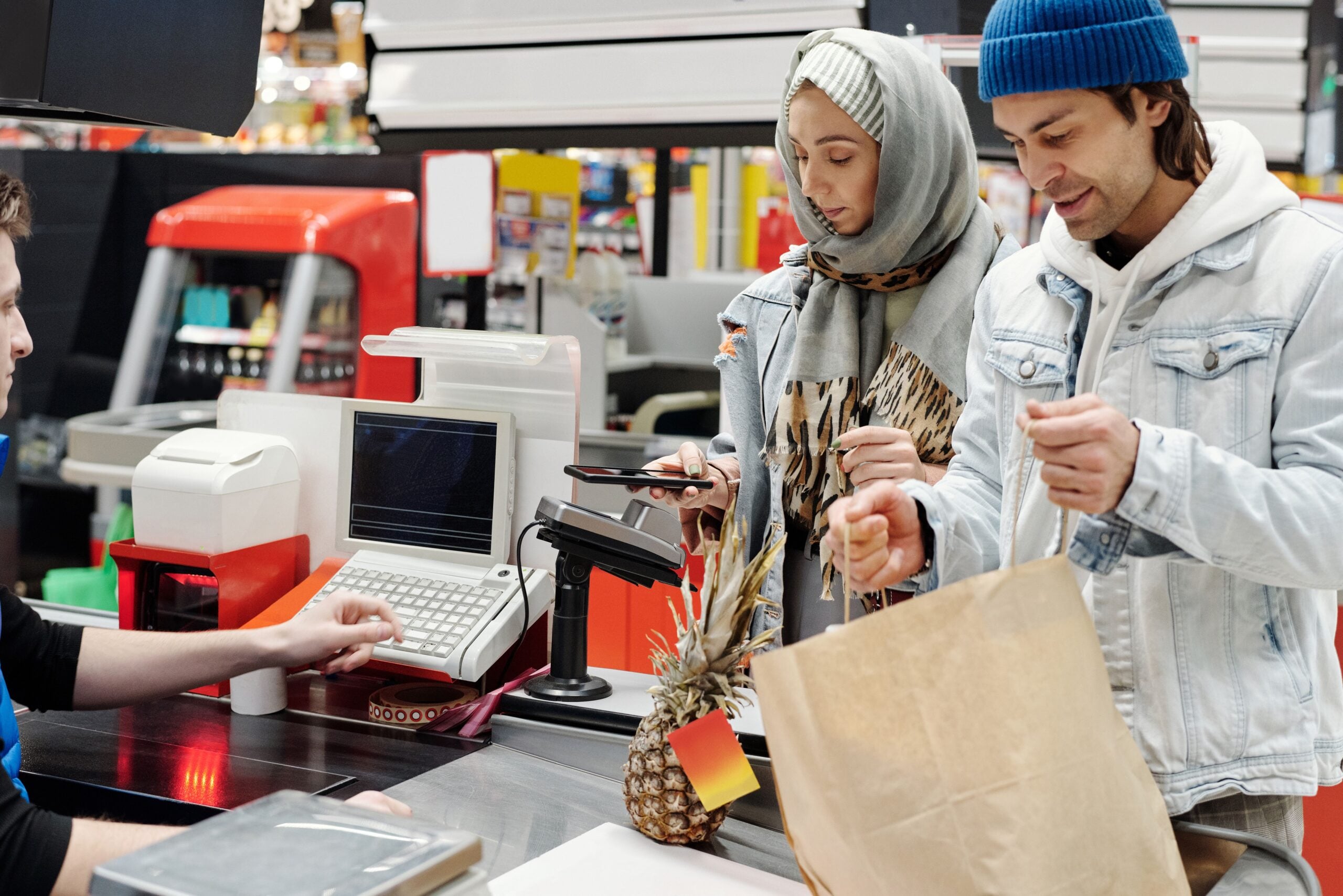
The fastest way we got our spending under control was pulling out the grocery budget in cash. When the cash ran low, that was it. No extra trips, no little top-offs with the card.
It helped us be way more mindful with what we bought and stopped the random aisle browsing that added $20 every trip. Grocery shopping with a limit you can see is a game changer.
Sticking to the same breakfasts every week
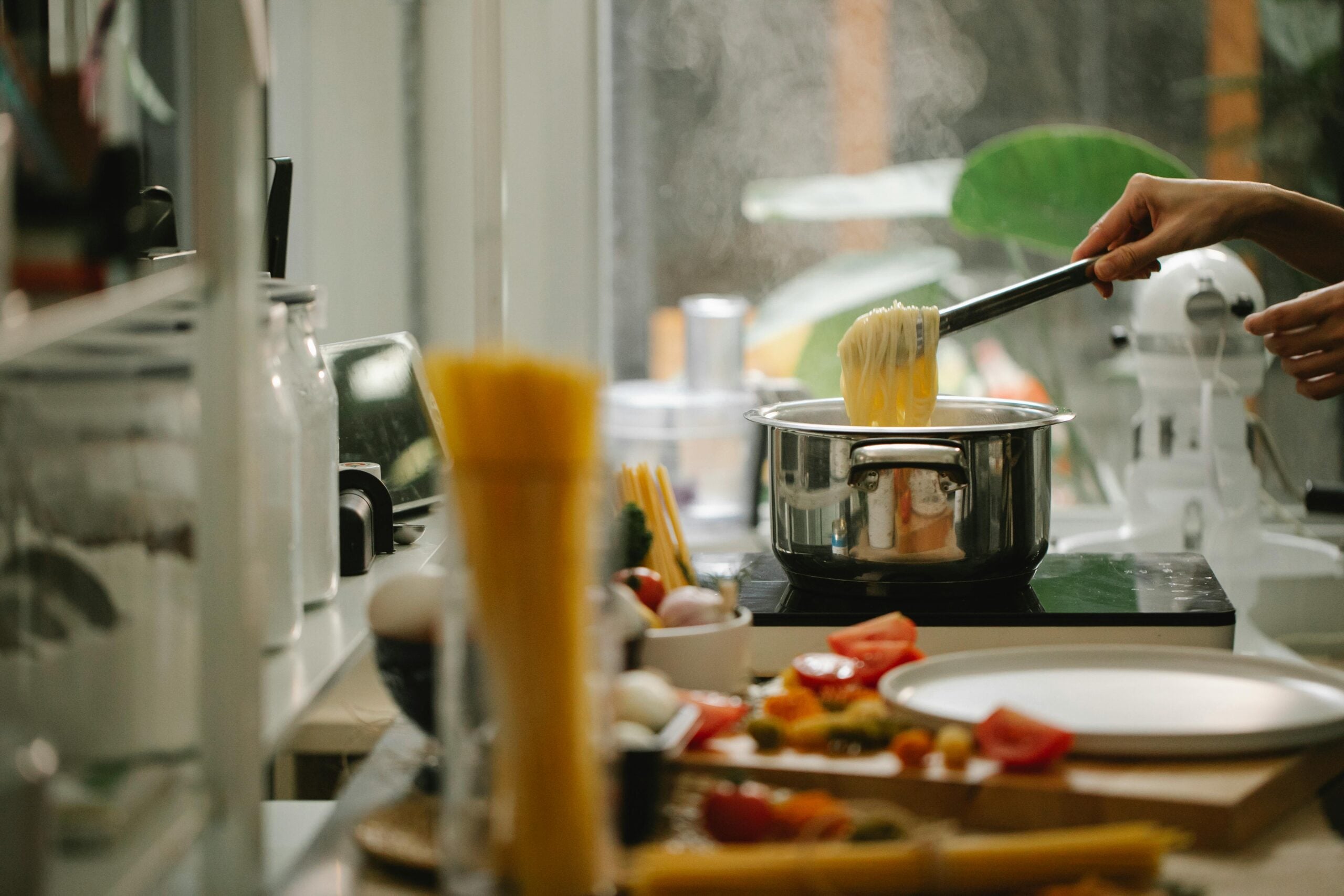
Breakfasts used to be all over the place—cereal one day, eggs and sausage the next, frozen waffles the next. That meant we were buying a little of everything and running out of half of it by midweek.
Now we rotate between 2–3 go-to breakfasts, and that’s it. Fewer ingredients, better use of bulk buys, and no more half-used boxes of random stuff sitting in the pantry.
*This article was developed with AI-powered tools and has been carefully reviewed by our editors.
Leave a Reply