
10 little routines that helped us stop living paycheck to paycheck

Getting out of the paycheck-to-paycheck cycle didn’t happen overnight, and it definitely didn’t happen by chance. What actually made the difference were small, repeatable routines. Nothing extreme. Nothing flashy. But they worked because we stuck with them.
These habits helped us stay in control of our money instead of letting it control us. They gave us breathing room when things were tight, and they built up margin when things started looking better. If you’re tired of scraping by, these are the routines that helped us get ahead.
Check Your Bank Balance Every Morning

Start your day by knowing where you stand. Open your banking app and check your balance before spending anything. It’s easy to assume you have more than you do or forget about pending charges.
This one habit helps you stay grounded in what’s real. You’re less likely to overspend, and more likely to catch mistakes or fees early. Over time, this awareness trains you to think differently before every swipe or online purchase.
Write Down What You Spent Yesterday

You don’t need a fancy tracker—just a note in your phone or a line in a notebook. Every morning, write down what you spent the day before. It takes two minutes, but it makes you pause and reflect.
When you see your spending habits in writing, patterns jump out fast. You start to recognize where money is disappearing and where you’re overdoing it. This small step helped us curb mindless spending without feeling like we were on a strict budget.
Transfer Out Grocery and Gas Money Right Away

The day your paycheck hits, move your grocery and gas money to a separate account or prepaid card. That money isn’t for impulse buys—it’s for actual needs.
Keeping it separate protects your budget. It also makes it easier to see how much is left before your next check. When it’s all lumped together, it’s too easy to lose track and swipe more than you meant to.
Give Every Dollar a Job the Day You’re Paid

The money that hits your account doesn’t sit there waiting to be spent. Assign every dollar somewhere—bills, food, savings, upcoming costs. Don’t leave any of it floating.
Even if the numbers are tight, giving each dollar a job gives you control. It stops the drift. You know exactly what your money is doing, and that awareness is what keeps you from running out too early.
Plan a “No-Spend” Stretch Every Pay Period

Pick a two- or three-day window each pay cycle where you intentionally don’t spend anything. No takeout, no impulse purchases, no extras.
These stretches helped us reset our spending and stretch what we had. Over time, it built discipline. You stop leaning on spending to fix boredom or stress. It’s a small way to build in breathing room without overhauling your whole budget.
Revisit Upcoming Expenses Every Friday

Every week, take five minutes to look ahead. What bills, birthdays, or one-offs are coming before your next paycheck? Has anything changed?
This quick check-in gave us time to adjust instead of panic. We started catching surprises earlier, which meant fewer moments of scrambling or pulling from savings. It’s a routine that keeps your budget active instead of reactive.
Use a Waiting Period Rule for Wants

If you see something you want that isn’t urgent, set a rule. For us, it was a 48-hour wait. If we still wanted it after two days—and it fit in the budget—we’d consider it.
This one habit saved us hundreds over the months. Most of the time, we didn’t want it anymore by day two. It taught us to slow down and think before spending, especially on Amazon or during sales.
Send a Tiny Bit to Savings Every Payday

Even when we were tight, we’d send something small to savings—sometimes $5, sometimes $20. It didn’t feel like much at first, but it kept the habit alive.
Saving became part of our normal rhythm, not something we waited to do “when things got better.” And it added up. Over time, those tiny transfers built a buffer that made all the difference when something unexpected came up.
Make Leftovers Part of the Plan
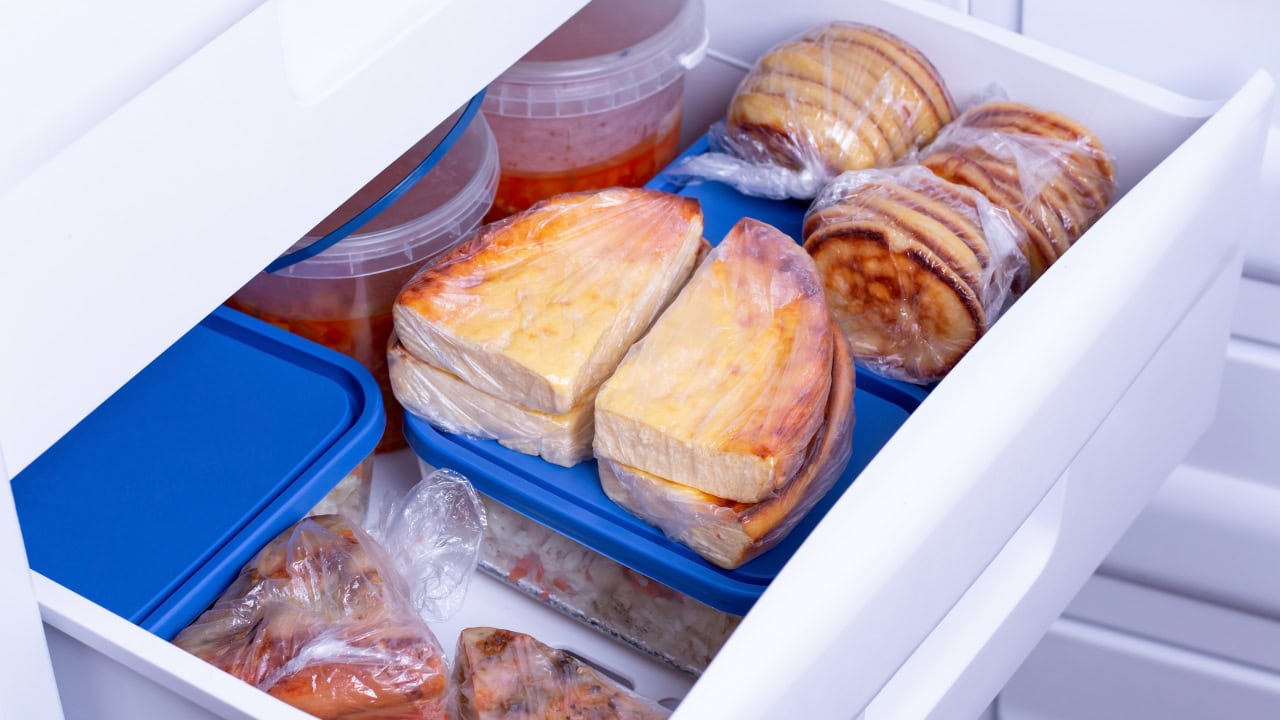
Wasting food is wasting money. So we started planning for leftovers on purpose—doubling recipes, repurposing meals, and assigning leftover nights each week.
This one routine cut our grocery bill without cutting back on what we ate. We stopped throwing away food (and dollars) and started actually using what we bought. Plus, it saved time on busy nights.
Do a Weekly Reset Before the Weekend

Every weekend, we’d do a reset—check the budget, pay any pending bills, review the calendar, and make a plan for the week ahead. It sounds like a lot, but it took less than 30 minutes.
Doing it before the weekend helped us avoid impulse spending when we were out of routine. It also gave us a fresh look at where we stood, so we weren’t caught off guard Monday morning. Staying ahead came down to consistency, and this was the anchor that kept everything else working.
*This article was developed with AI-powered tools and has been carefully reviewed by our editors.
Leave a Reply