
Everyone wants to get laundry done faster, but some of those “time-saving tricks” end up costing more in ruined clothes, wasted detergent, or machines that start acting up. Laundry shortcuts can feel clever in the moment—until your favorite shirt fades, towels start smelling weird, or the washer gets gunky.
The truth is, there are a few corners you simply can’t cut without paying for it later. Here are the laundry habits that always backfire, even if they seem harmless at first.
Overloading the Washer

Stuffing the drum to the brim feels efficient, but it’s one of the worst laundry habits you can have. When there’s no room for clothes to move, detergent and water can’t circulate properly, leaving items dirty or stiff.
Over time, this puts extra strain on the motor and bearings too, leading to costly repairs. Doing smaller, balanced loads actually saves time in the long run—because you won’t have to rewash anything.
Using Too Much Detergent

More soap doesn’t mean cleaner clothes. In fact, using too much detergent can leave residue on fabrics, trap odors, and cause buildup inside your washer. That residue also attracts dirt, meaning your laundry might come out looking dull instead of fresh.
Follow the measuring lines, especially if you use high-efficiency detergent. Using less than you think you need often works better and keeps both your clothes and your machine in better shape.
Skipping the Sorting

Tossing everything in one load might save time upfront, but it’s a recipe for dingy whites, lint-covered darks, and worn-out fabrics. Different materials and colors need different care to actually last.
Sorting by fabric weight and color only takes a few extra minutes and keeps your clothes looking newer longer. It also helps you use the right wash cycles, which means less shrinking, fading, and frustration later.
Ignoring Care Labels

Those little tags aren’t suggestions—they’re the reason your favorite sweater didn’t make it through the wash. Ignoring care instructions is an easy mistake that leads to shrinkage, damage, or color loss.
If a label says “hand wash” or “cold water only,” it’s for good reason. A quick check before tossing items in the washer can save you from buying replacements sooner than you’d like.
Leaving Wet Clothes in the Washer
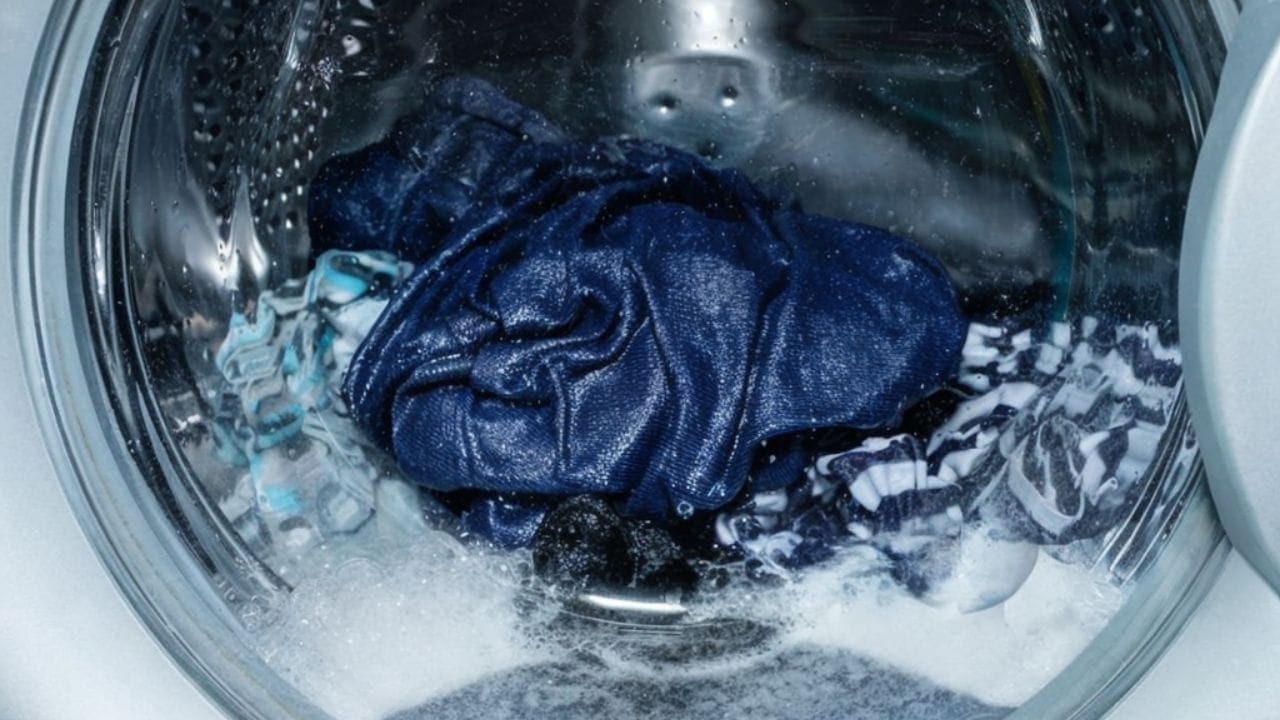
Forgetting to transfer clothes to the dryer right away is a classic shortcut that ruins freshness. Even a few hours in a damp washer can cause mildew and that musty smell that’s nearly impossible to get rid of.
Setting a timer or using your phone for reminders helps. If your clothes do sit too long, running a rinse cycle with vinegar can help—just don’t make it a habit.
Using Too Much Fabric Softener
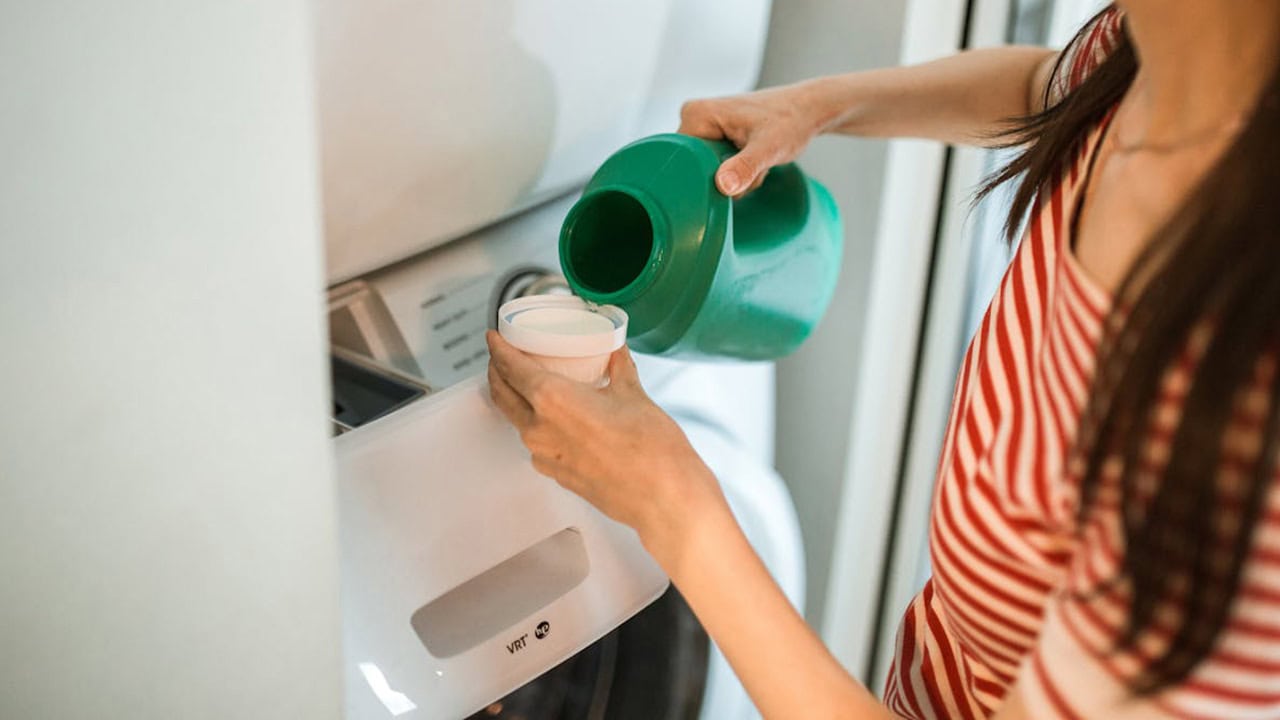
Liquid softeners and dryer sheets might make clothes feel smoother, but overuse leaves a waxy coating that locks in odors and ruins absorbency—especially for towels and activewear.
Alternating with vinegar or using softener sparingly keeps your fabrics cleaner. Most loads need far less than the cap recommends, and skipping it entirely once in a while helps reset your laundry.
Washing Everything in Hot Water
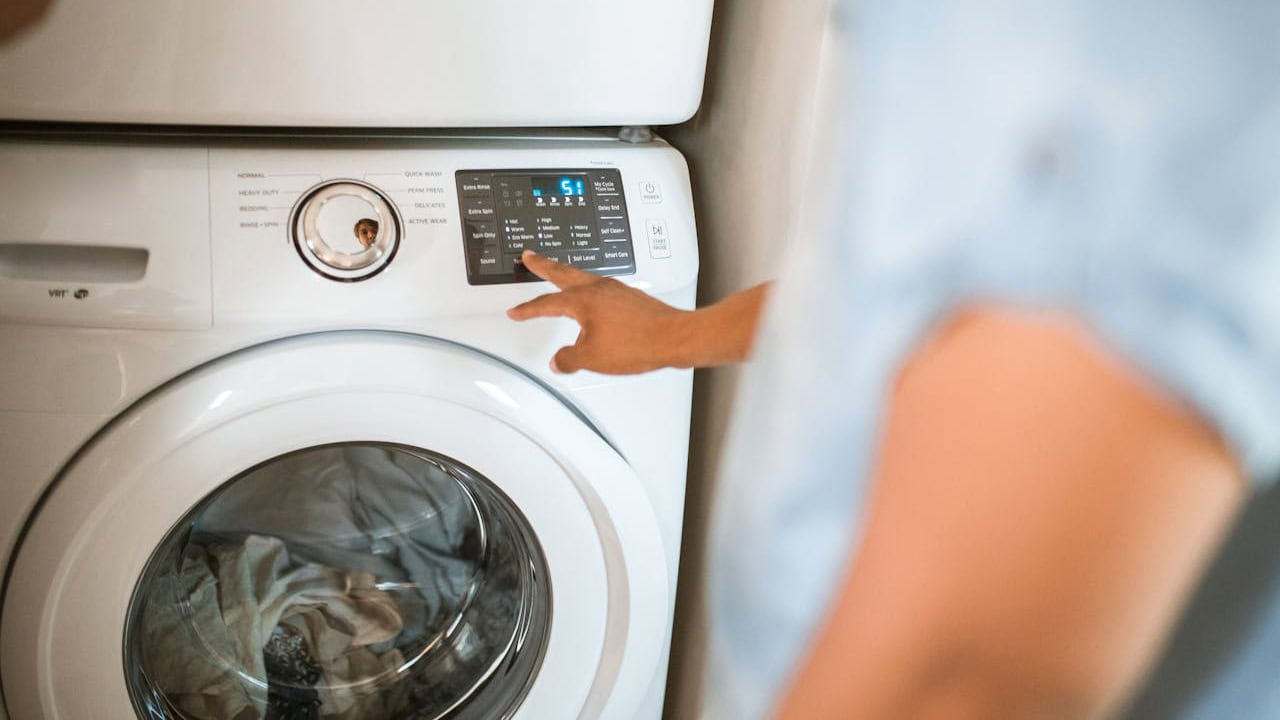
Hot water isn’t always better. It can fade colors, shrink fabrics, and wear out clothes faster. Unless something’s visibly soiled or you’re disinfecting bedding or towels, warm or cold water gets the job done just fine.
Cold water cycles are gentler, cheaper, and more energy efficient. They also keep clothes looking fresh longer—without the extra cost on your utility bill.
Skipping Regular Washer Cleaning
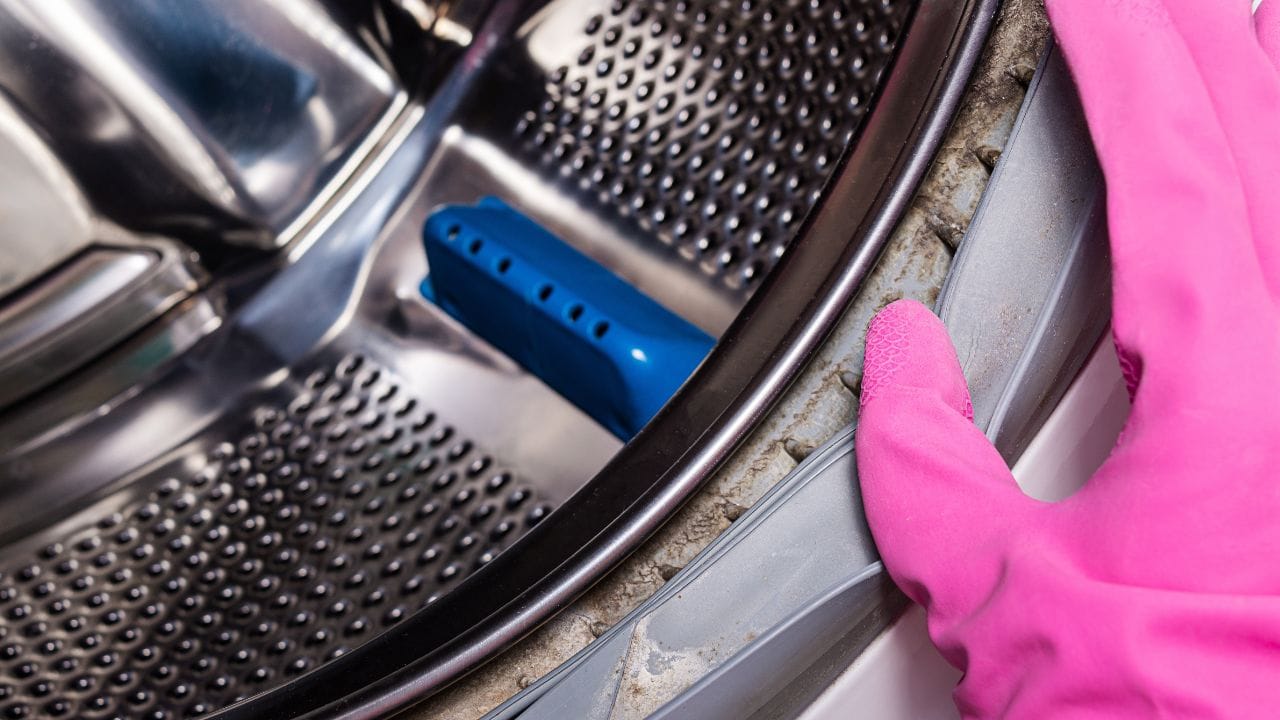
A dirty washer can’t produce clean laundry. Detergent residue, lint, and moisture all build up inside, creating odors and bacteria. Skipping monthly cleanings eventually leaves your clothes smelling “off” no matter how much soap you use.
Running an empty cycle with vinegar and baking soda, or using washer cleaner tablets, helps keep everything fresh. It’s five minutes of effort that prevents bigger headaches later.
Ignoring the Lint Trap
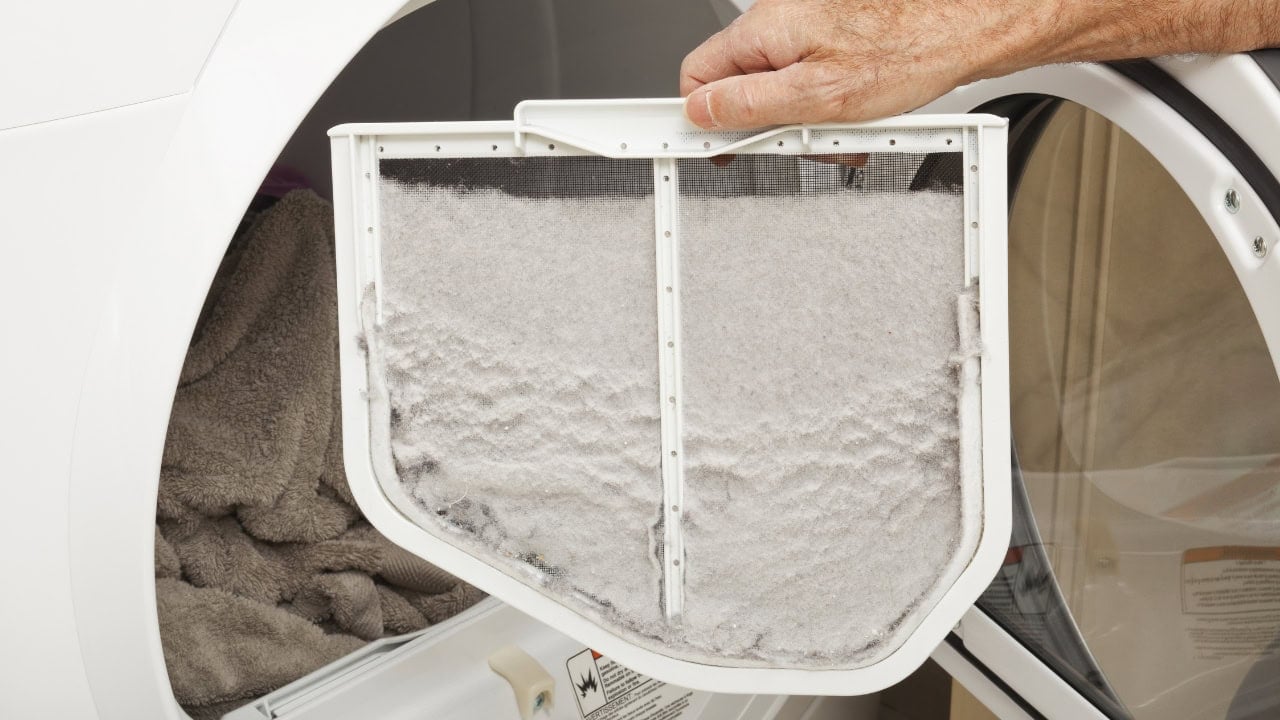
Neglecting the lint trap in your dryer doesn’t just slow drying time—it’s also a fire hazard. When airflow gets blocked, the dryer works harder, wastes energy, and wears out faster.
Empty the lint trap after every load, and occasionally vacuum out the vent hose. It’s the easiest five-second habit that protects your home and helps your dryer last years longer.
Skipping the Pre-Treat Step

Tossing stained clothes straight in the wash and hoping for the best rarely works. Most stains set permanently once they’ve gone through a full wash and dry cycle.
Taking thirty seconds to pre-treat stains makes all the difference. A dab of detergent, stain remover, or even baking soda and water gives you better odds of saving the fabric—and keeps you from having to replace ruined clothes later.
*This article was developed with AI-powered tools and has been carefully reviewed by our editors.
Leave a Reply