
10 laundry lies that keep costing you money
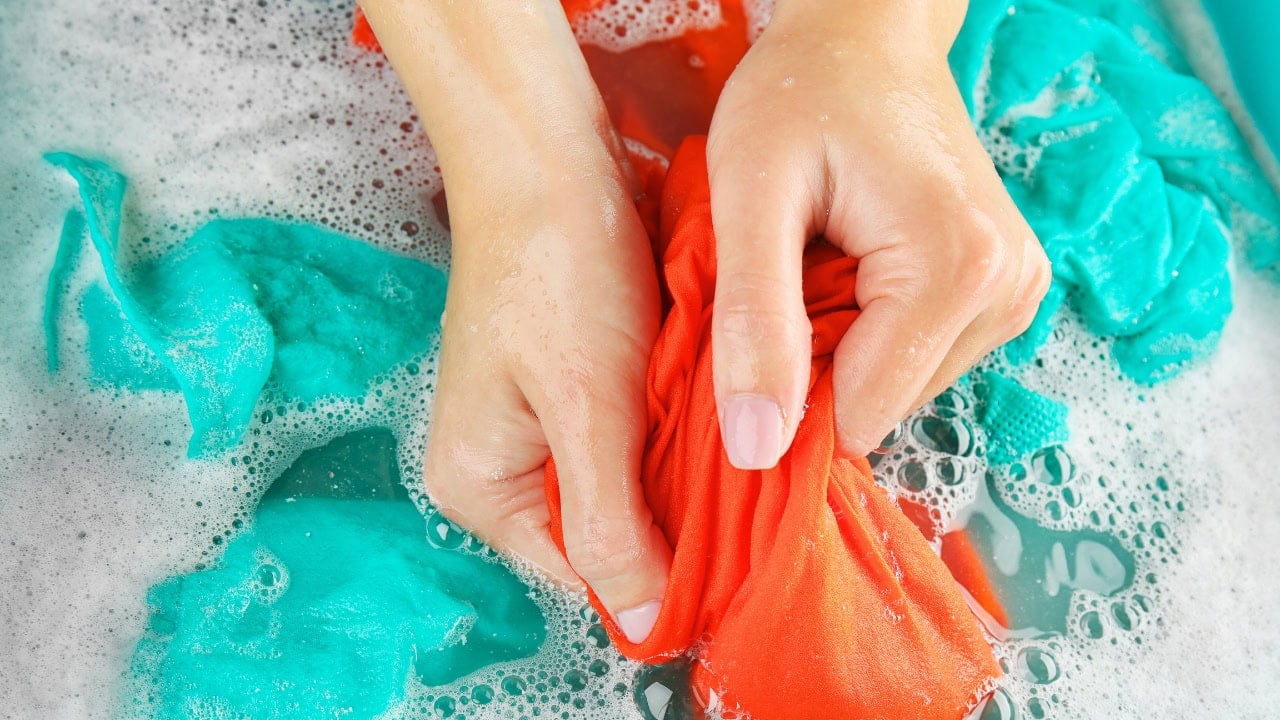
Laundry isn’t complicated, but the marketing around it sure makes it seem that way. Over the years, we’ve been told a lot of half-truths that lead to overspending — on detergent, cycles, and products that don’t actually make your clothes cleaner.
Most of the time, the cheaper and simpler option does a better job. If you’ve ever wondered why your laundry costs seem higher than they should be, these are the myths that quietly drain your wallet load after load.
More detergent means cleaner clothes
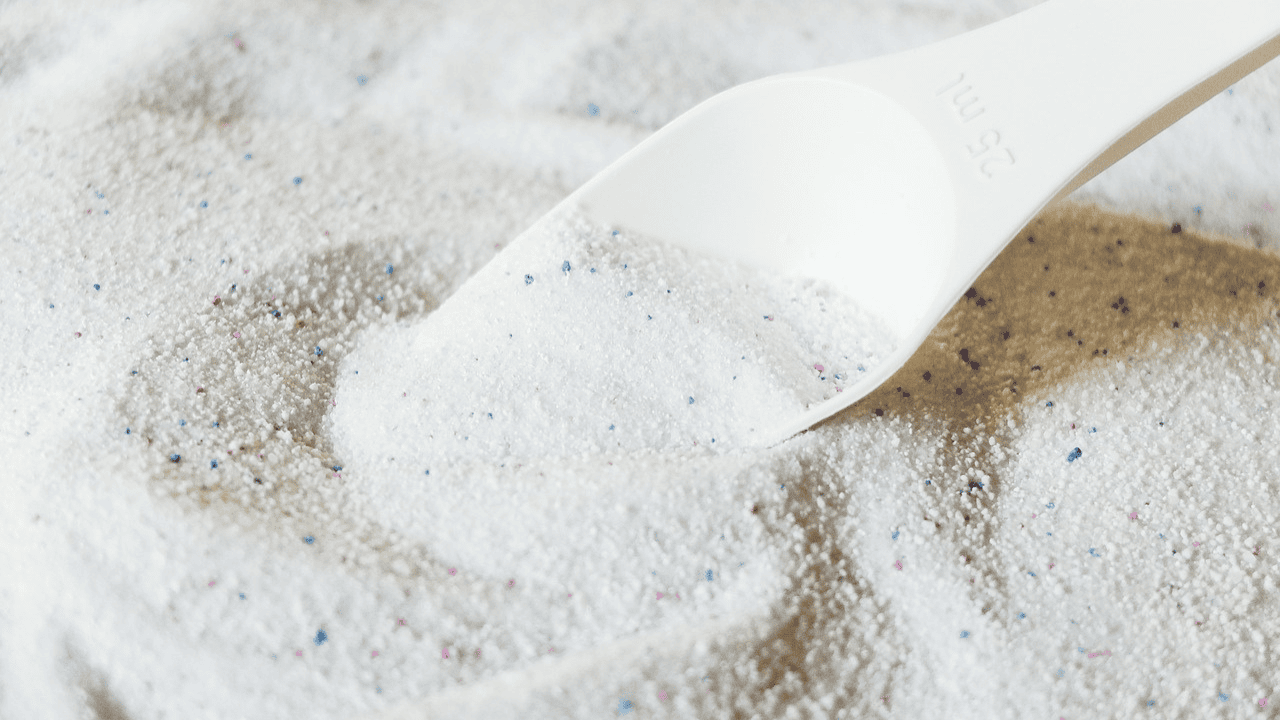
It sounds logical, but using extra detergent does the opposite of what you want. Too much soap leaves residue on fabrics, traps odors, and forces your washer to use more water to rinse. Over time, that buildup can even damage your machine.
Most loads only need half the amount listed on the cap — especially in high-efficiency washers. Using less saves money and actually gets your clothes cleaner.
Hot water is always best
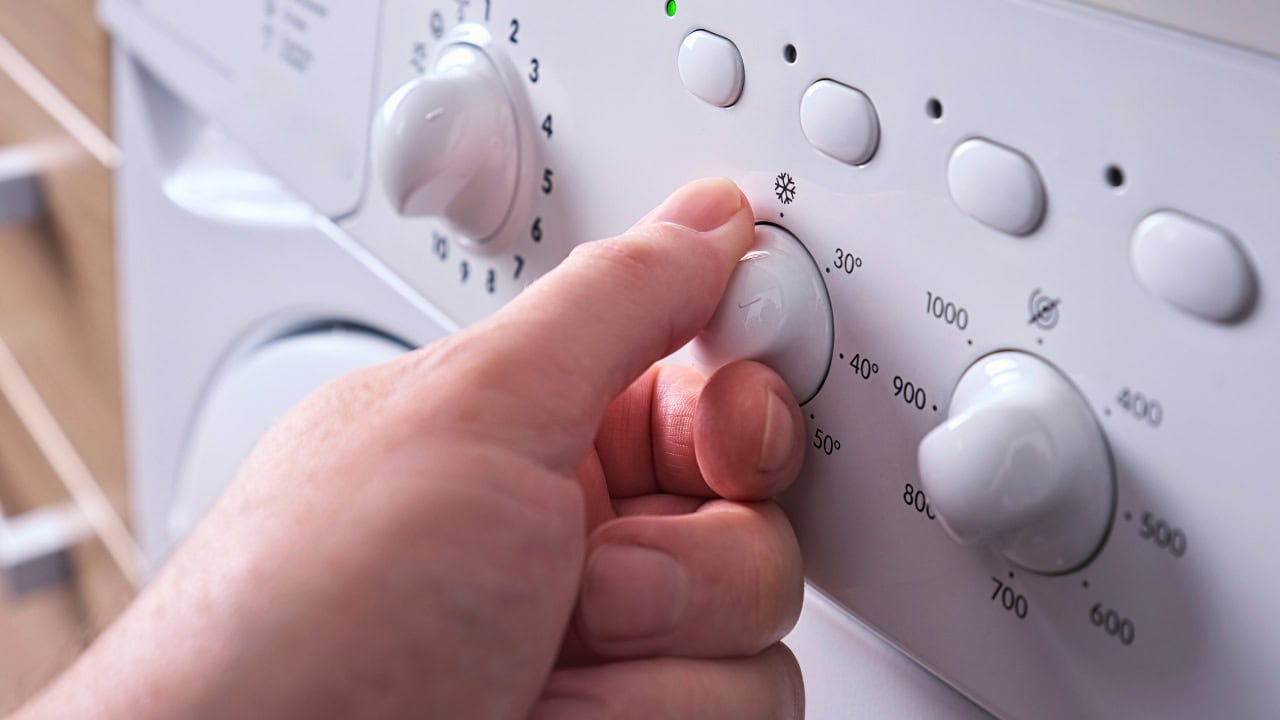
Hot water used to be necessary for cleaning, but modern detergents are made to work in cold or warm cycles. Using hot water on every load wastes energy and wears out clothes faster.
Unless you’re sanitizing bedding or cleaning heavily soiled work clothes, cold water does the job just fine. You’ll save on your energy bill and keep fabrics looking newer longer.
You need special detergent for every fabric
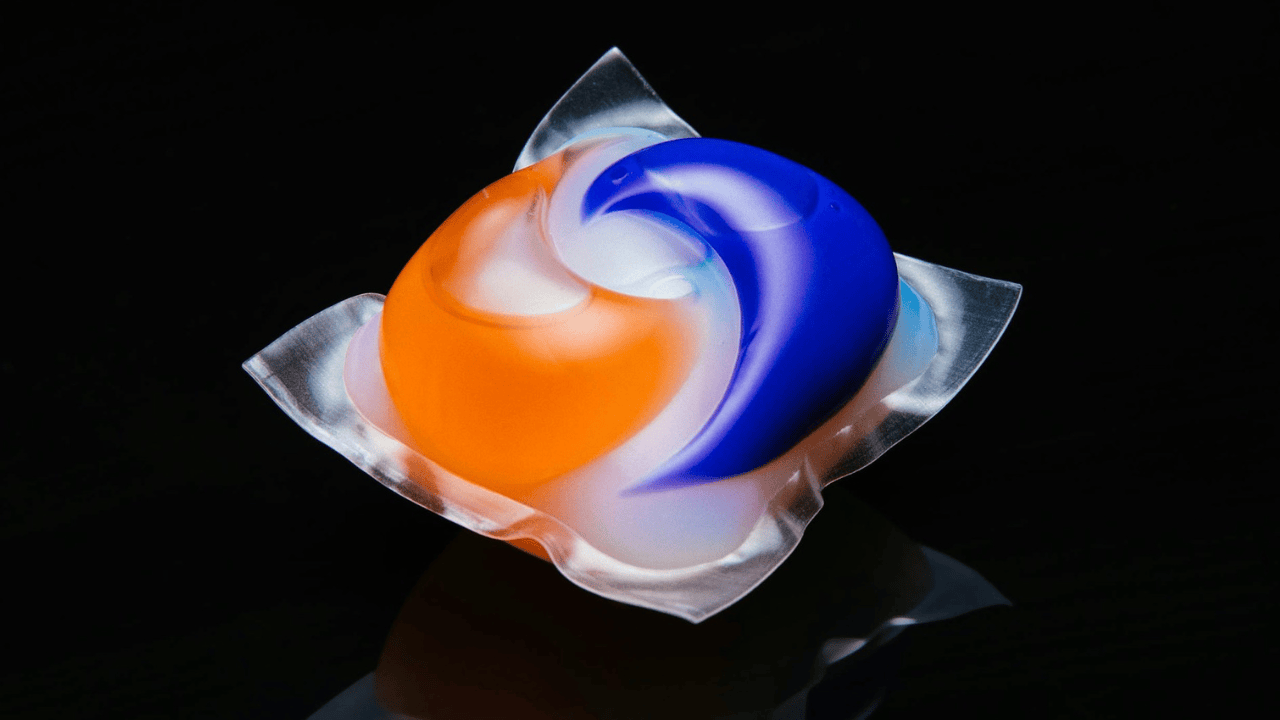
You don’t need separate detergents for whites, darks, delicates, and athletic wear. Most of those “special formulas” are nearly identical and cost twice as much.
A good-quality, all-purpose detergent handles every fabric type if you sort loads properly. If you want an extra boost, add baking soda for whites or vinegar for odor control instead of buying more bottles.
Fabric softener makes clothes last longer
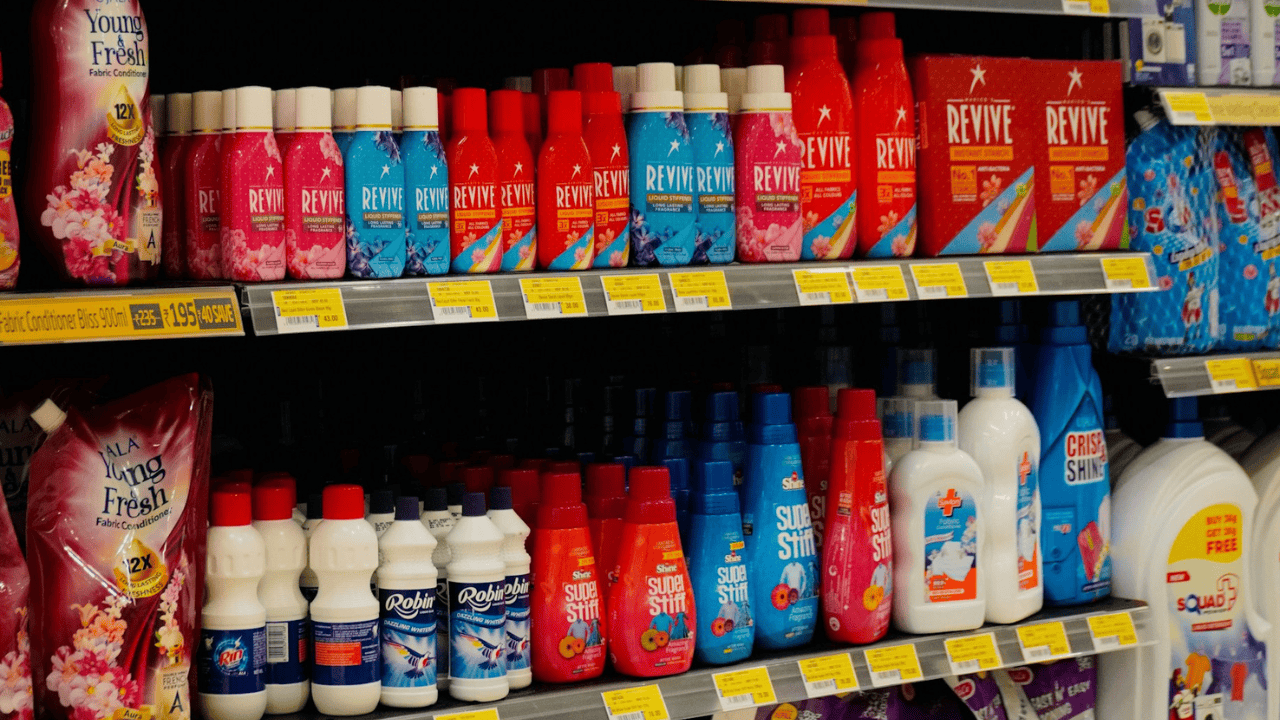
Fabric softener makes clothes feel smoother, but it actually shortens their lifespan. It coats fibers with residue that reduces absorbency and weakens fabric over time — especially on towels and workout clothes.
White vinegar in the rinse cycle is a better, cheaper alternative. It softens naturally, removes detergent buildup, and keeps your washer clean without leaving that waxy layer behind.
You have to use the “extra rinse” cycle

The extra rinse cycle sounds like a good idea if you want cleaner clothes, but it mainly wastes water and electricity. If your laundry still feels soapy, the problem is usually too much detergent, not too little rinsing.
Fixing your measuring habits saves far more money than running a second rinse. Only use it when washing items that really need it — like thick bedding or heavily soiled work clothes.
Dryer sheets are essential for soft clothes

Dryer sheets reduce static, but they don’t actually make fabric cleaner or softer. They leave behind residue that can clog your lint trap and affect dryer performance.
Wool dryer balls are a better investment. They last for years, cut drying time, and reduce static naturally — no chemicals, no recurring cost.
Washing smaller loads saves money
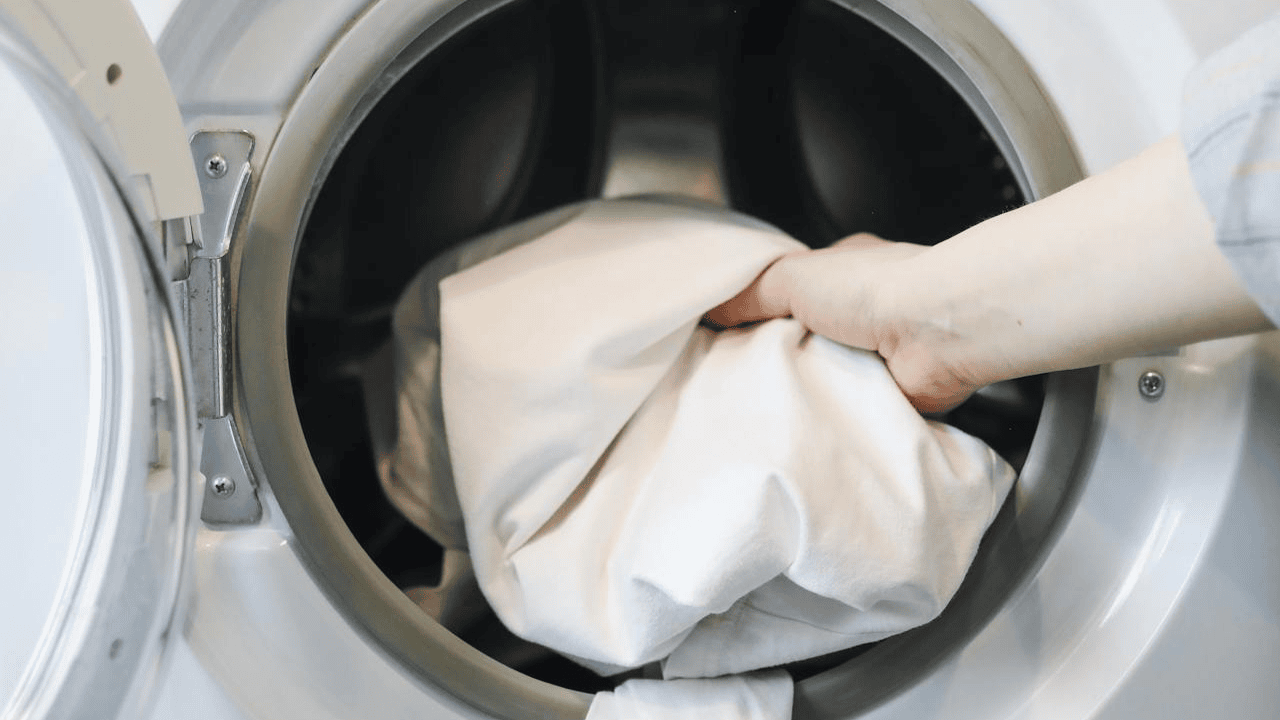
Smaller loads use almost the same amount of water and energy as full ones. You’re better off waiting until you have a proper load rather than running multiple half-filled cycles.
As long as your washer isn’t overstuffed, full loads clean more efficiently and reduce overall wear on your machine. Fewer cycles mean lower utility bills and less detergent wasted.
You need brighteners to keep whites white
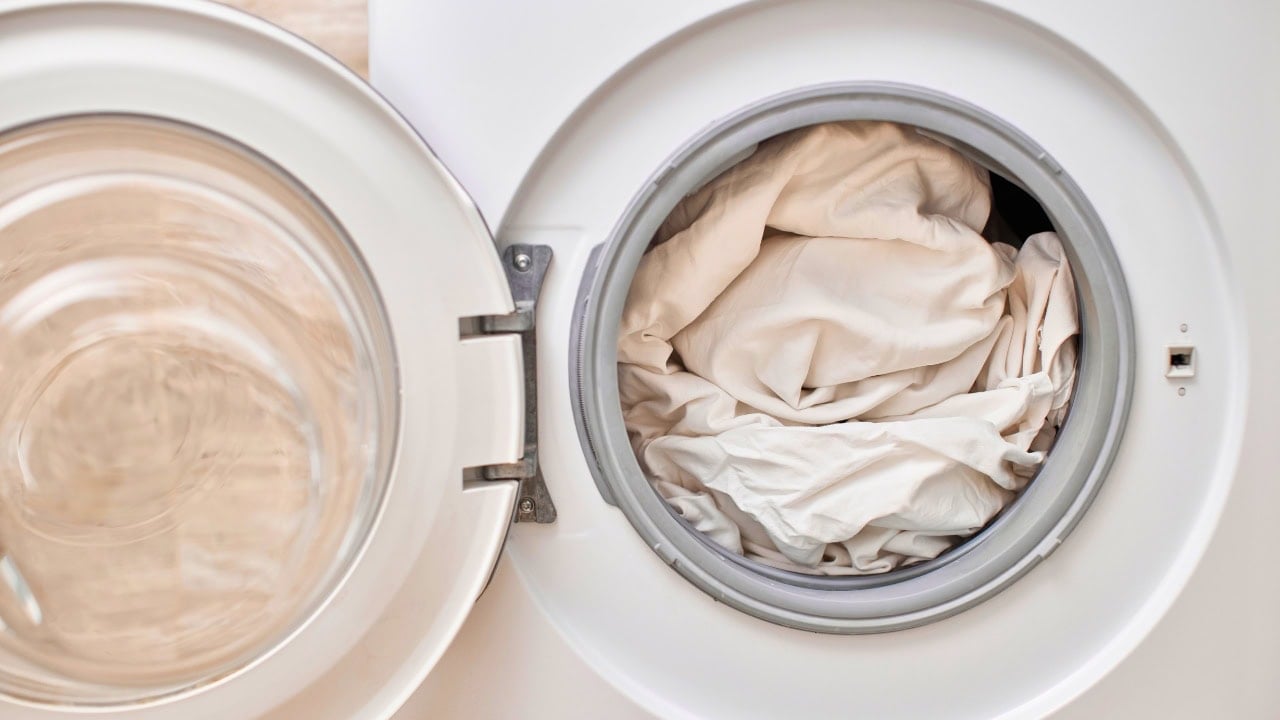
Optical brighteners make fabrics look whiter temporarily, but they don’t actually clean better. They leave behind a fluorescent coating that can irritate sensitive skin and fade over time.
For real brightness, use oxygen bleach or baking soda instead. Both are cheaper, safer, and actually lift stains instead of hiding them.
Dryer heat settings don’t matter
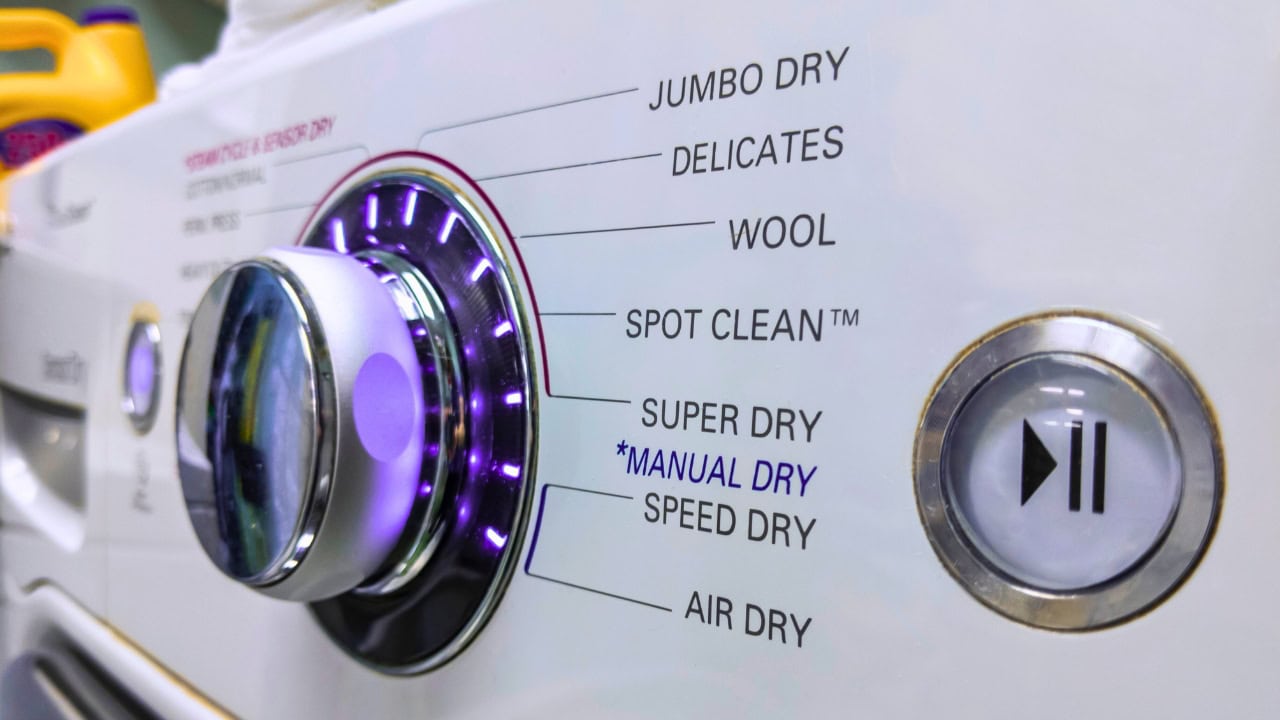
Cranking your dryer to high heat may get clothes done faster, but it costs more in electricity and ruins fabric over time. Elastic, cotton, and polyester all break down faster under intense heat.
Medium or low heat takes a little longer but saves energy and keeps your clothes in shape longer — meaning fewer replacements and lower costs.
Handwashing is always gentler
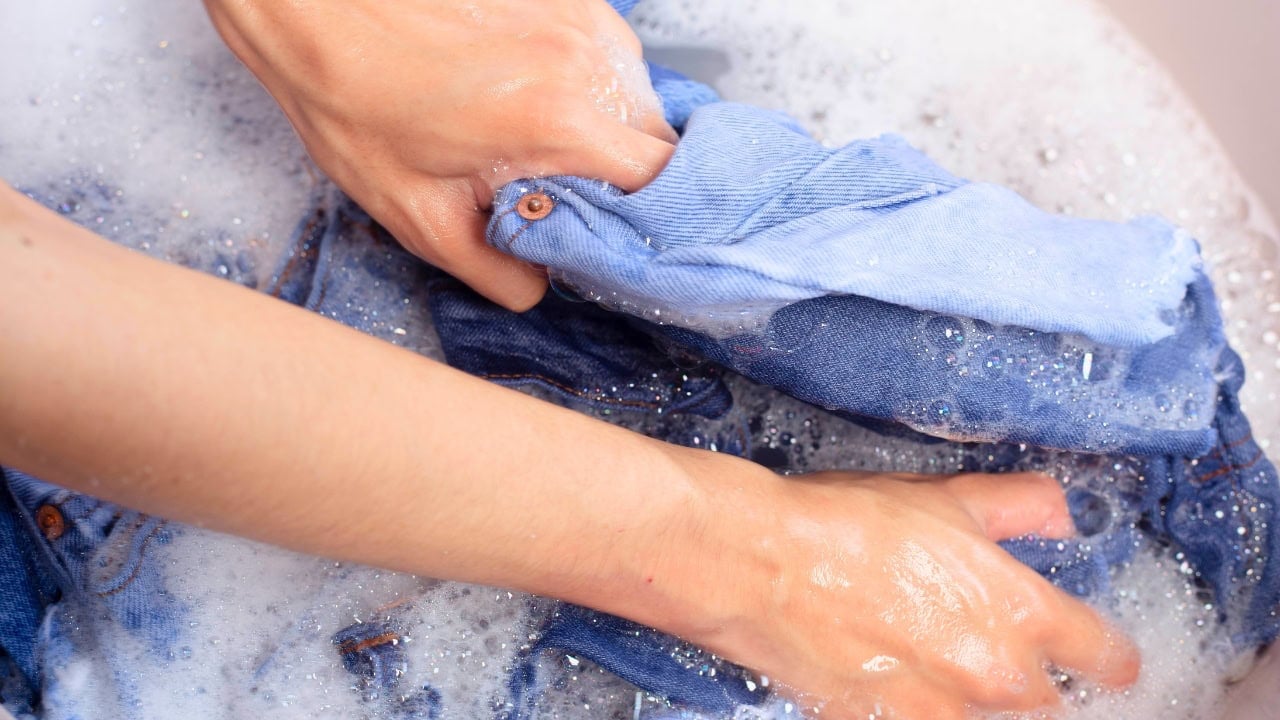
Handwashing seems like the careful option, but most people scrub too hard or use the wrong soap, which can actually damage delicate fabrics. Modern washers with gentle cycles do a better job and use less water.
If something says “hand wash,” use a mesh laundry bag and the delicate cycle instead. It’s easier, cheaper, and keeps your clothes looking new without the wear and tear.
*This article was developed with AI-powered tools and has been carefully reviewed by our editors.
Leave a Reply