
Most clothes don’t wear out—they’re washed to death. The way you do laundry matters more than how often you shop, because even high-quality fabrics can fall apart fast if you’re washing them wrong.
Faded colors, stretched necklines, and thinning fabric aren’t signs you need to buy more—they’re signs your laundry routine needs work. A few small adjustments can make your clothes last years longer and look like new every time you wear them.
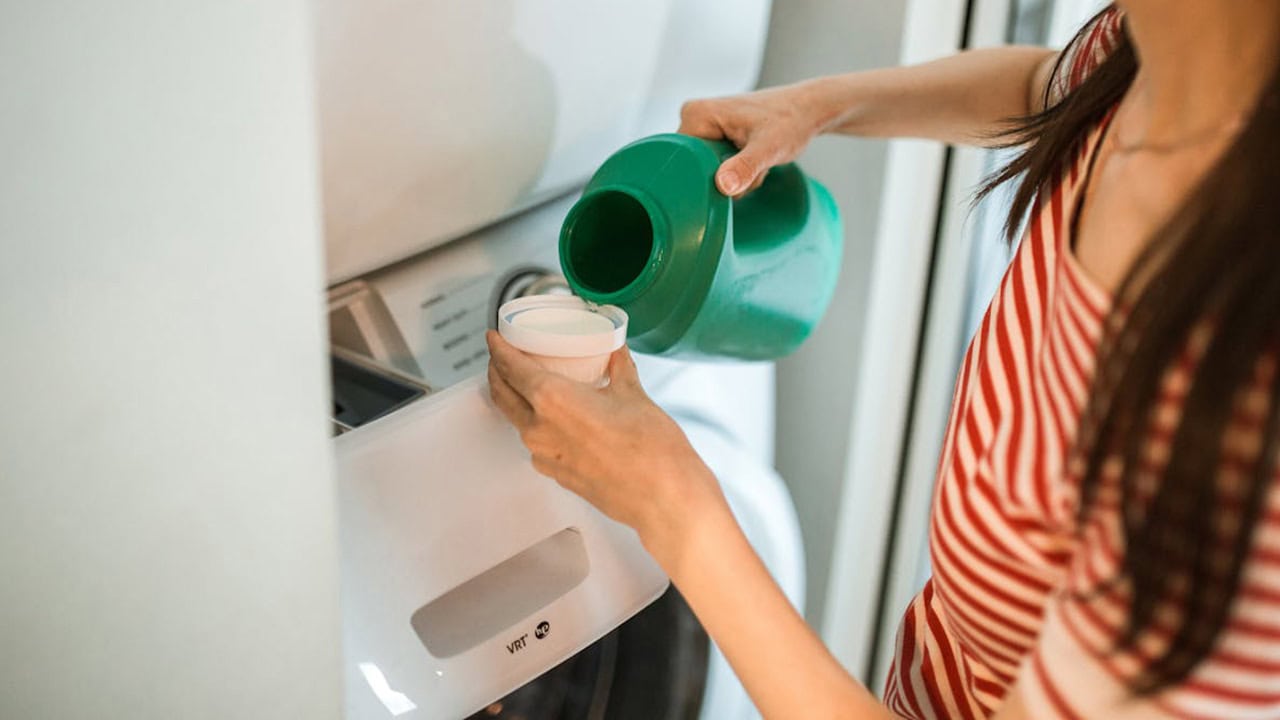
Using too much detergent
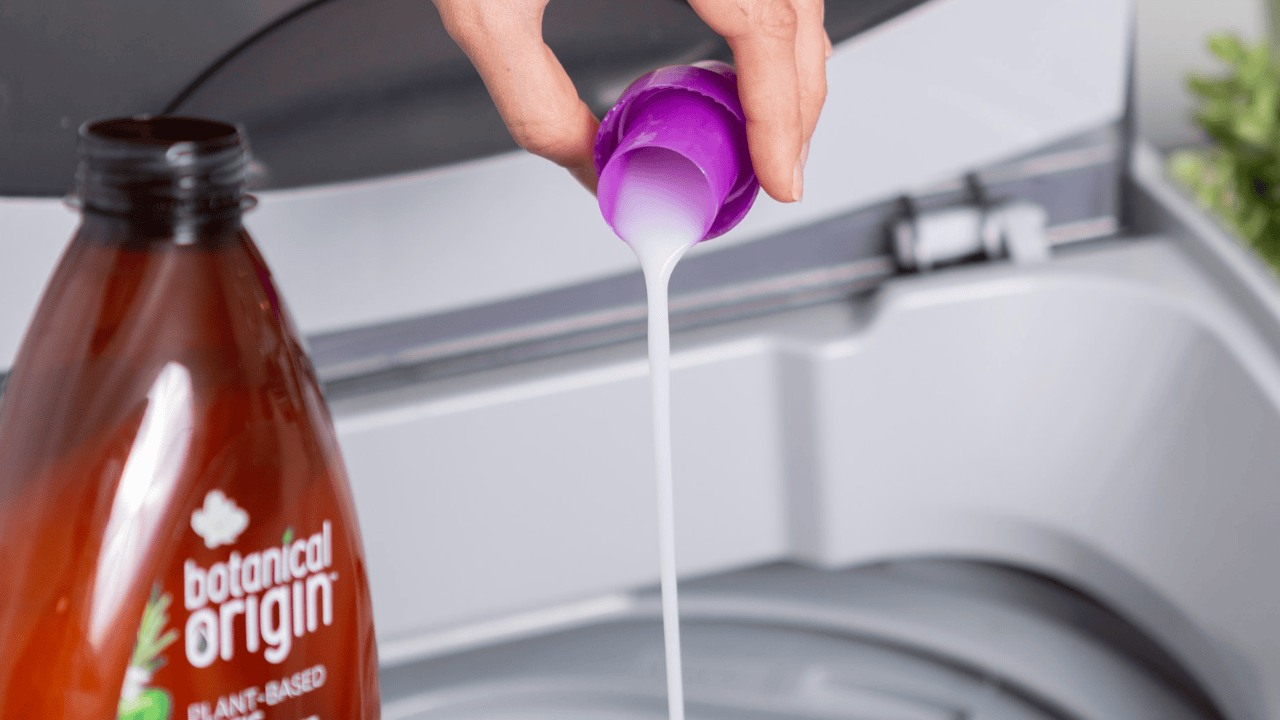
More soap doesn’t mean cleaner clothes. When you overload on detergent, it doesn’t rinse out completely and leaves residue that stiffens fabric, dulls color, and attracts dirt.
Stick to the measuring line, and if you have a high-efficiency machine, use even less. Clothes come out fresher and softer when the rinse cycle doesn’t have to fight through extra suds.
Overstuffing the washer
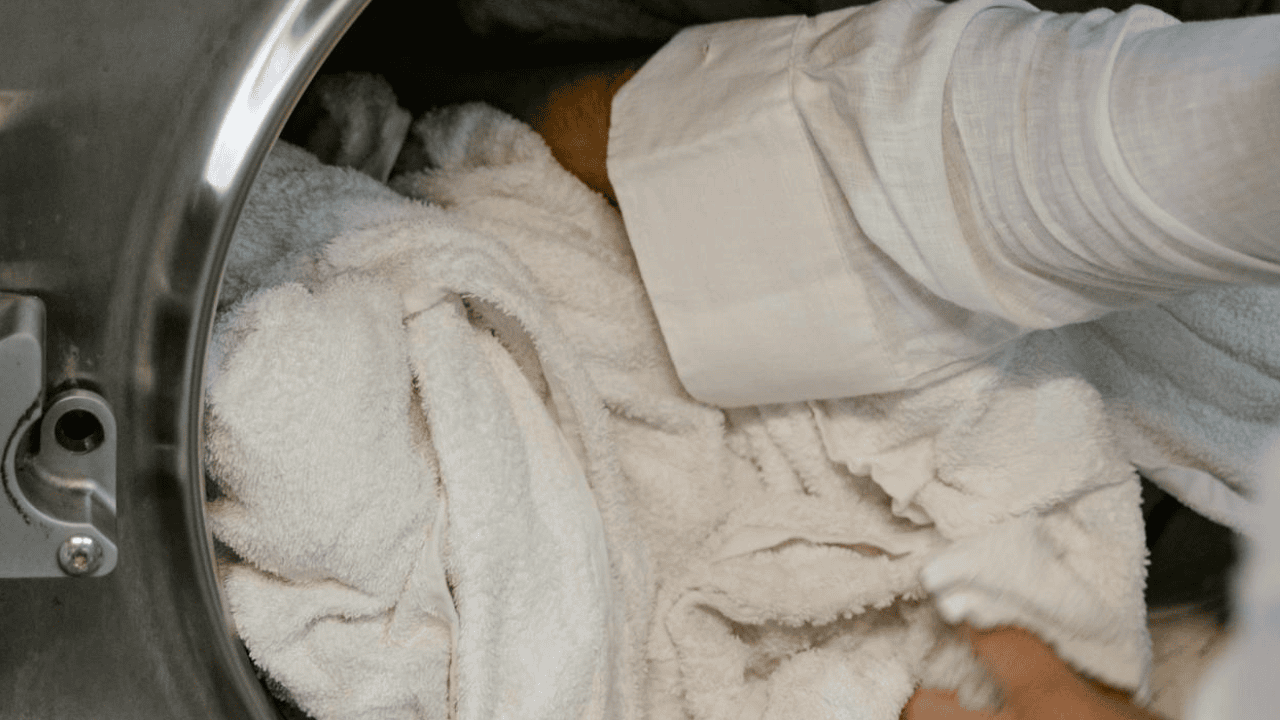
It’s tempting to cram one more sweatshirt into the load, but overloading the washer stops clothes from getting truly clean. When fabric can’t move freely, dirt and detergent stay trapped.
Too much weight also strains seams and zippers as clothes rub together. Leaving some breathing room means cleaner laundry, less wear, and fewer “mystery rips” down the line.
Washing everything in hot water
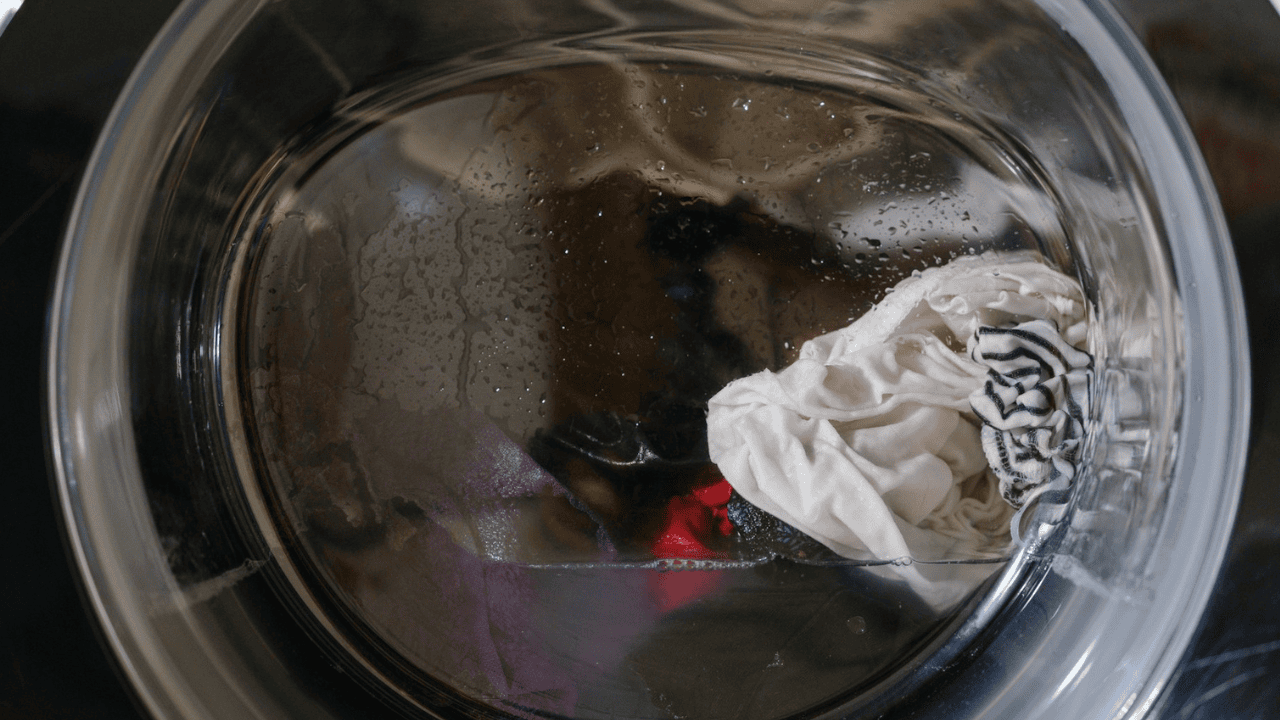
Hot water can shrink fibers, fade dyes, and break down elastic. Most modern detergents are made to work in cold or warm water anyway, so there’s rarely a reason to crank the heat.
Use cold for darks, delicates, and synthetics. Save warm for towels or bedding. You’ll protect your clothes—and lower your energy bill at the same time.
Skipping the delicates cycle
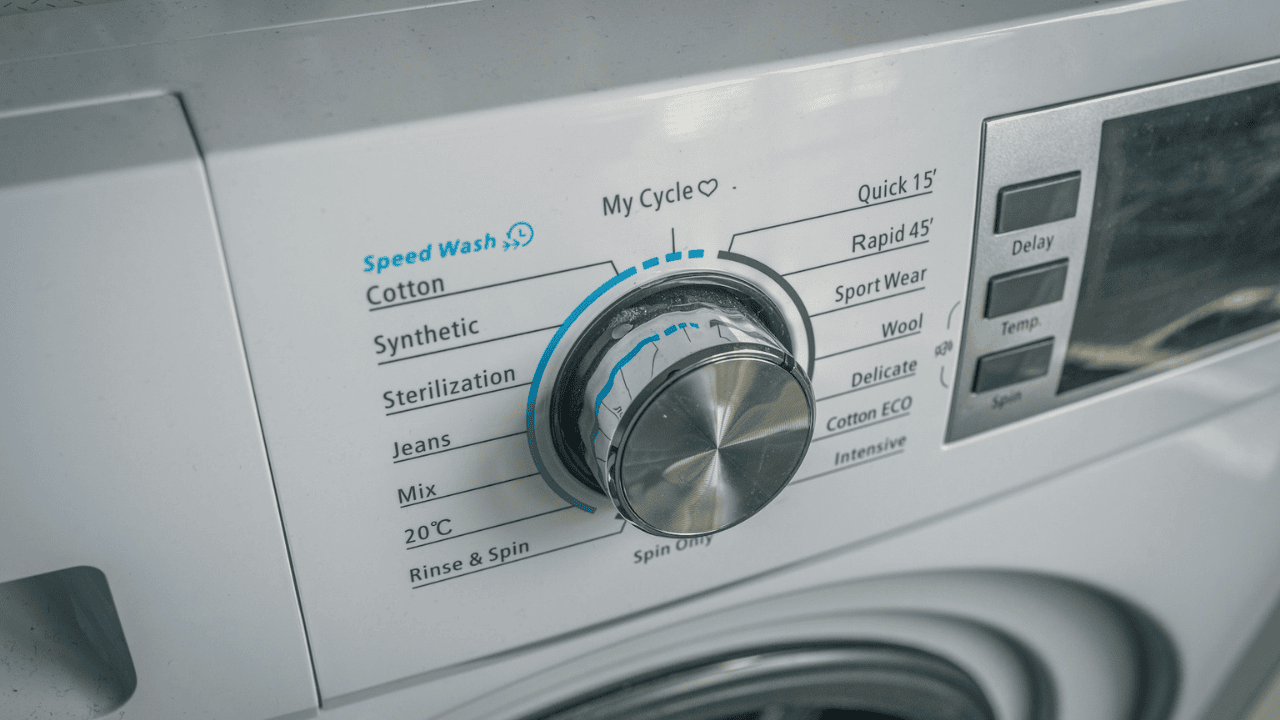
That “delicate” setting isn’t just for lingerie. Lightweight tops, knits, and activewear all benefit from gentler agitation and slower spin speeds.
When you toss them in with jeans or towels, friction causes pilling and stretching. Taking a minute to separate softer items will dramatically extend their lifespan.
Leaving wet clothes in the washer
Forgetting a load overnight doesn’t just make it smell—it can actually weaken the fibers. Prolonged moisture breeds bacteria that cling to fabric and cause discoloration.
If you can’t switch the load right away, open the washer door or spread items out to dry. Once that mildew smell sets in, it’s hard to get out.
Using fabric softener on everything
Fabric softener coats fibers with a waxy film that can damage athletic wear, towels, and anything stretchy. It makes towels less absorbent and breaks down spandex over time.
If you like softer clothes, use white vinegar in the rinse cycle instead. It removes detergent residue and keeps fabrics fresh without the long-term buildup.
Skipping zippers and buttons before washing
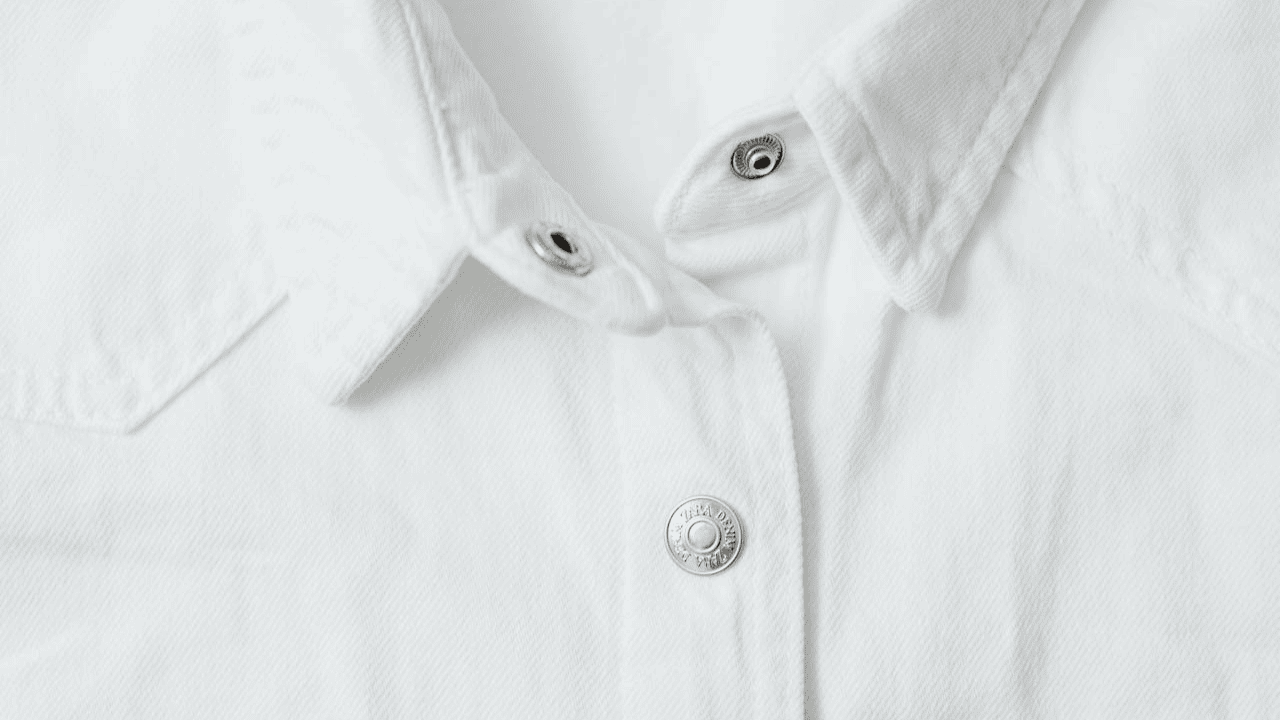
Open zippers act like tiny sandpaper strips, wearing down fabric as they spin. Unbuttoned shirts also stretch and pull on their stitching in the wash.
Before you toss a load in, zip everything up and fasten any large buttons. It’s a small step that protects both the garment and everything it’s washed with.
Ignoring care labels
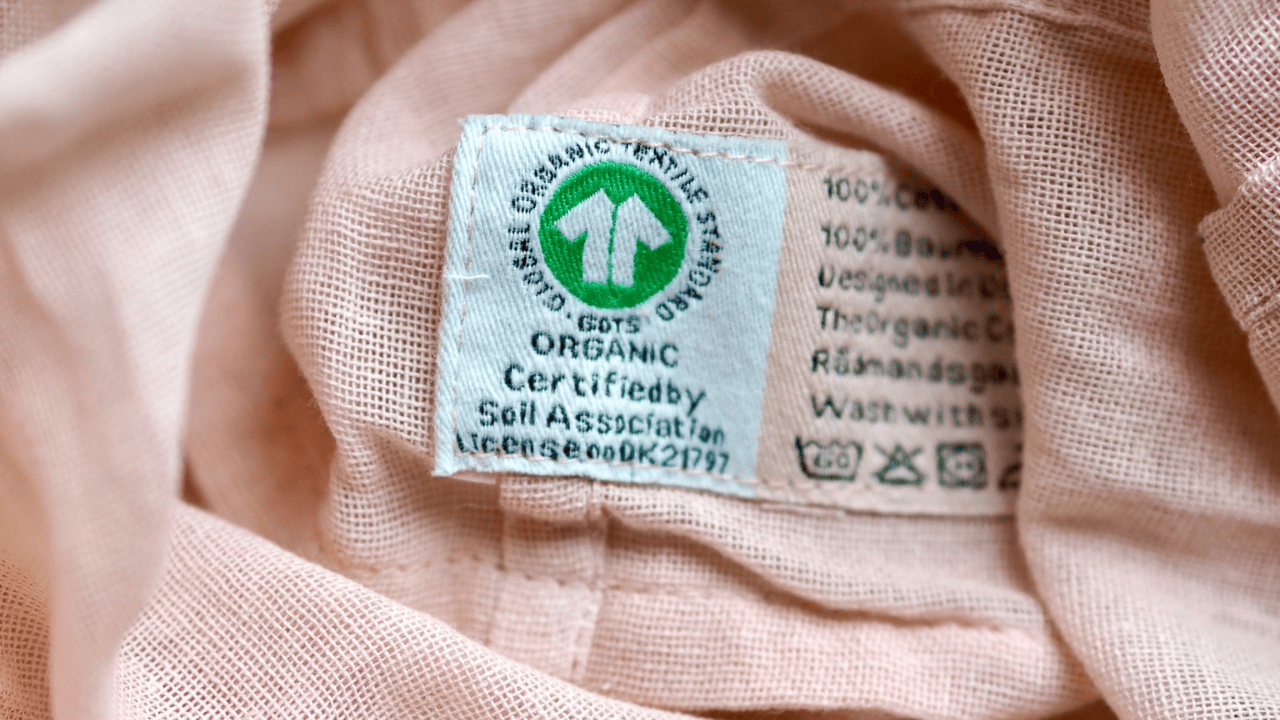
Those little tags are there for a reason. Some fabrics, like rayon or wool blends, can look fine after one wrong wash but start losing shape over time.
Take five seconds to check. If something says “lay flat to dry” or “cold wash only,” following that instruction can easily double how long it lasts.
Using high heat in the dryer
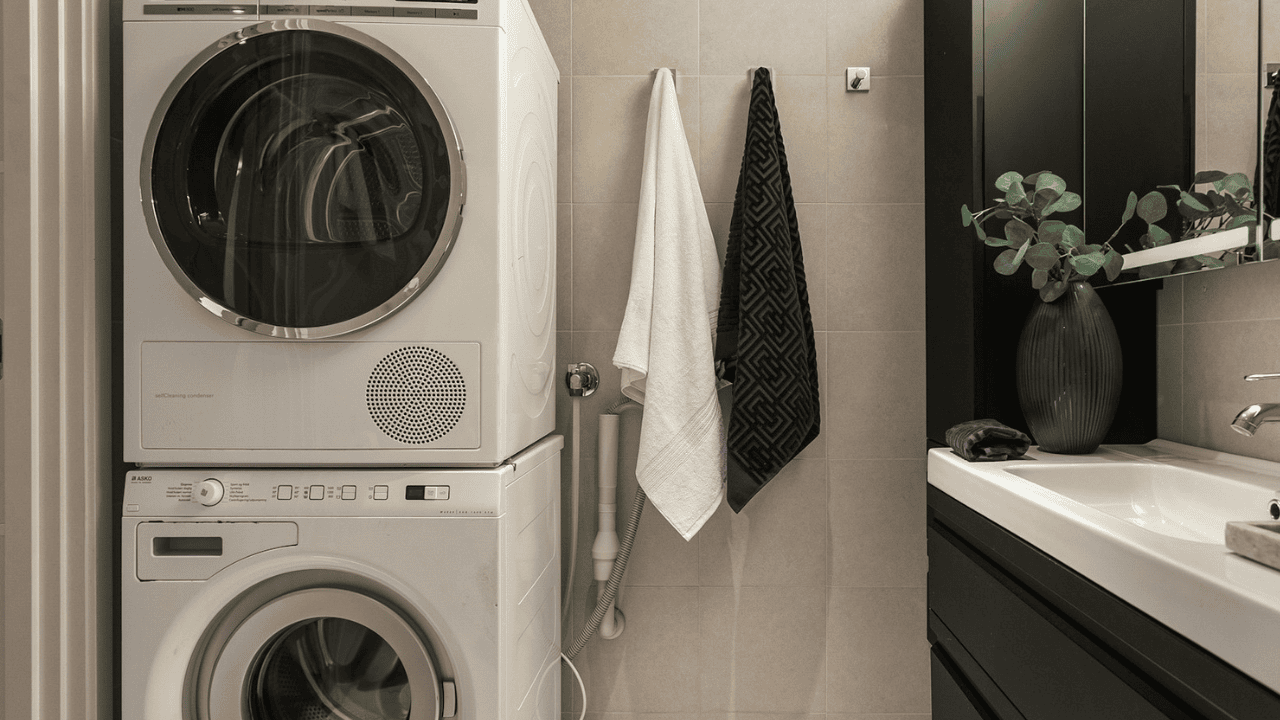
High heat is one of the fastest ways to ruin clothes. It breaks down elastic, shrinks cotton, and makes polyester brittle.
Use the lowest heat setting you can or air-dry when possible. Even cutting your dryer time in half can keep clothes looking new for years instead of months.
Forgetting to clean the washing machine
A dirty washer spreads lint, residue, and odors onto clean laundry. Detergent buildup inside the drum makes clothes look dull no matter what you wash them with.
Run a cleaning cycle with white vinegar or baking soda once a month. A clean machine gives you cleaner clothes—and helps prevent that musty smell that never seems to go away.
*This article was developed with AI-powered tools and has been carefully reviewed by our editors.
Leave a Reply