
10 items that seem cheap but waste $500 over time

Some things feel like a good deal in the moment, but they slowly chip away at your budget. They’re easy to brush off because they’re “only a few bucks,” but those little purchases can add up fast—sometimes to hundreds a year.
It’s not about cutting everything fun, but you do need to be smart about what’s worth buying and what quietly drains your money. These are the items that seem harmless but end up costing way more than they should over time.
Disposable cleaning wipes

Grabbing a pack of disposable wipes feels convenient, but the cost adds up when you’re going through multiple containers a month. At $4–$6 each, you can easily spend over $100 a year without realizing it.
Reusable cloths or rags and a good all-purpose cleaner will last way longer and clean better for the price. If you’re doing a lot of wiping—kitchen counters, bathrooms, windows—you’re better off with a washable option that doesn’t run out every week.
Dollar store batteries

They’re cheap for a reason. Most off-brand or dollar store batteries don’t last nearly as long as name brands, which means you burn through more of them and end up spending more overall.
When you’re replacing batteries every few weeks in remotes, toys, or flashlights, the costs sneak up. Investing in quality batteries—or even better, a rechargeable set—can save a surprising amount of money over the course of a year.
Cheap nonstick pans

That $12 nonstick skillet seems like a deal until the coating starts flaking off after a couple months. Then you’re buying another one. And another. And another.
If you cook often, a better-quality pan will pay for itself. Look for stainless steel or cast iron that holds up for years instead of months. Replacing low-end cookware over and over can cost you $100 or more without even realizing it.
Store-bought bottled water

Buying bottled water regularly is one of the fastest ways to waste money on something you could get for free or nearly free. Even at $1–$1.50 a bottle, grabbing a few per week adds up to over $100 in no time.
A good reusable water bottle and a water filter pitcher or sink attachment will save you long-term. If you’re spending $5–$10 a week on bottled water, you’ll blow through $500 in a year without thinking twice.
Cheap earbuds
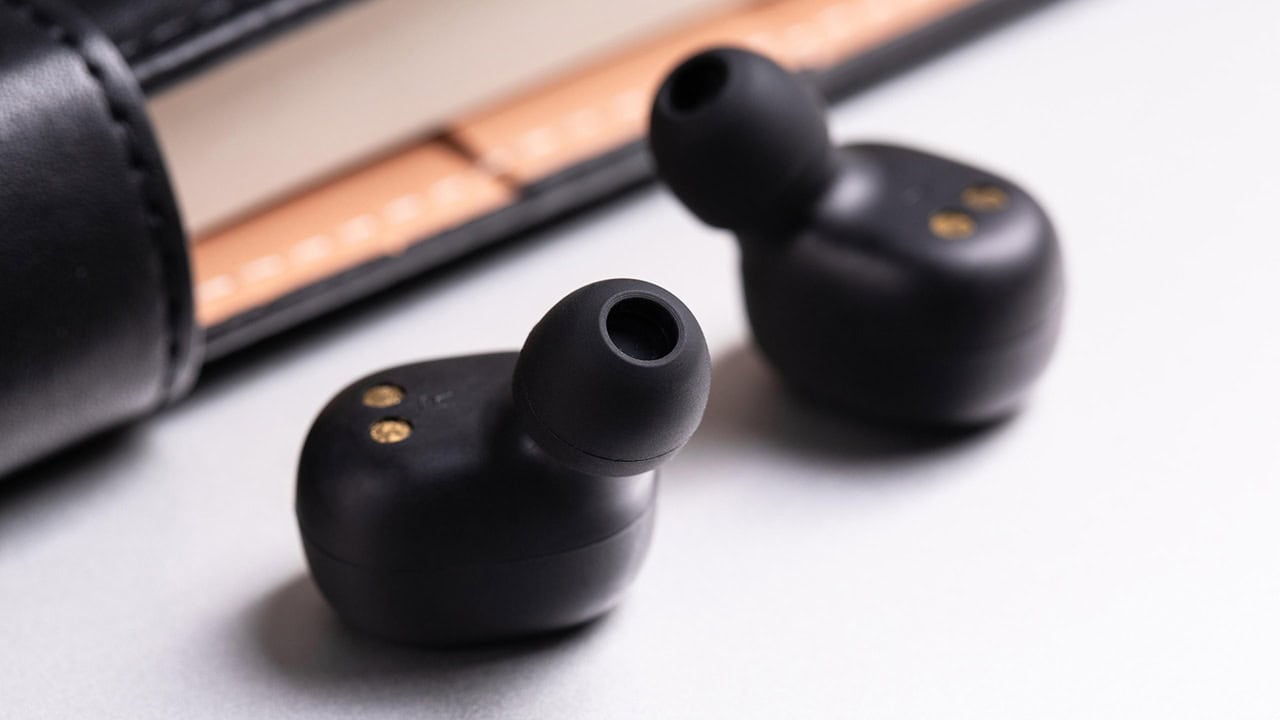
You can find knockoff earbuds for under $10, but they rarely last. One side cuts out, the cord frays, or the sound quality tanks—and you’re buying another pair soon after.
Instead of going through four or five pairs a year, spend a little more on something that won’t break down so fast. A $40 pair that lasts two years is cheaper than replacing $10 ones every couple of months.
Trendy low-quality clothes

Fast fashion is tempting when you’re watching your budget, but low-quality clothes wear out fast. Seams pop, fabric pills, and colors fade after a few washes—leaving you needing replacements constantly.
Buying fewer pieces that actually last will save you more than loading up on cheap options that don’t survive the season. Even if it’s $15 here or $12 there, it adds up when you’re constantly restocking your closet.
Plug-in air fresheners
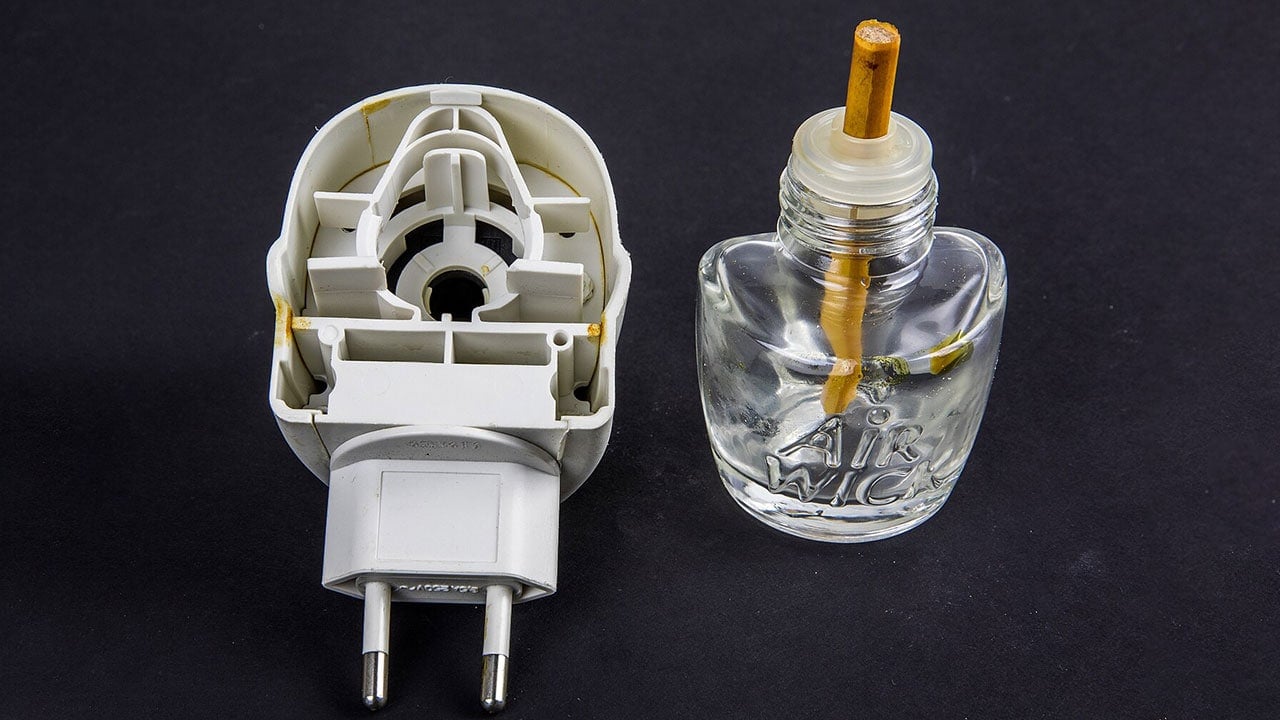
They seem cheap at $4–$7 per unit, but those refills are sneaky. If you’re replacing multiple refills every month, you could be spending $100–$200 a year for a scent that fades fast anyway.
Natural alternatives like essential oil diffusers or simmer pots can cost less and last longer. And they won’t lock you into ongoing refill purchases that add up while delivering minimal results.
Single-use coffee pods
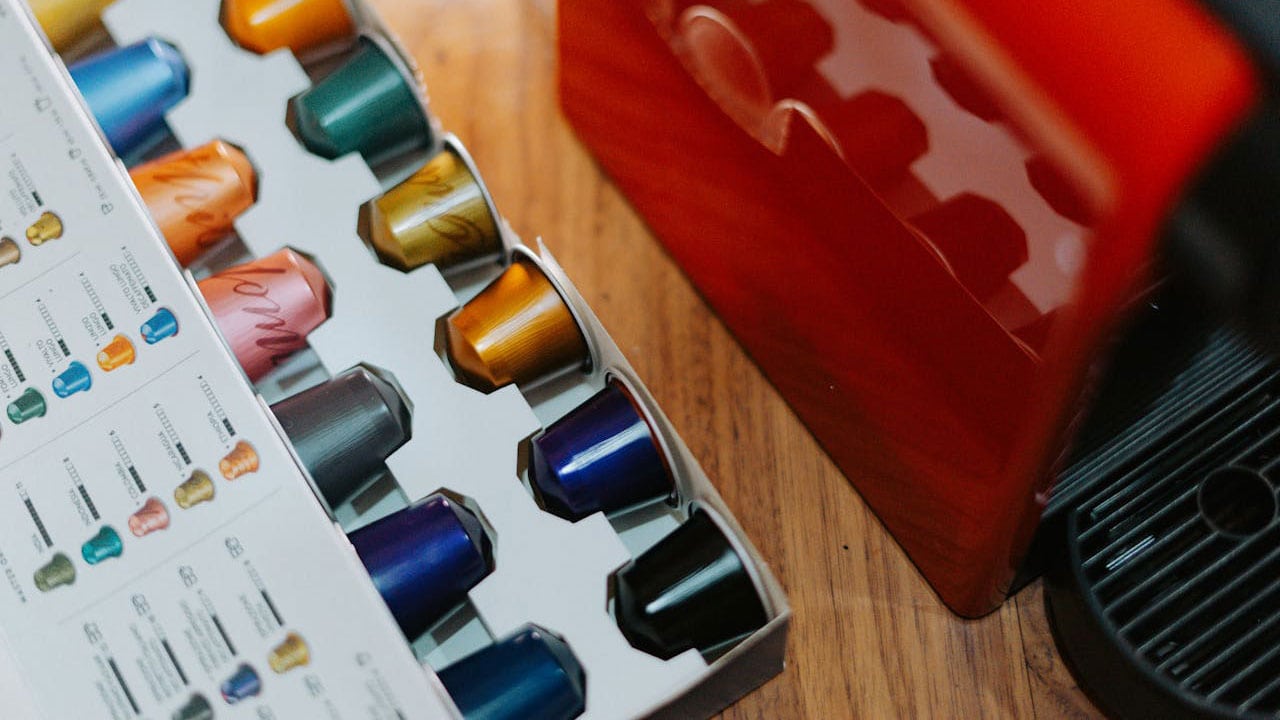
If you drink coffee daily, those $0.60–$1 pods add up fast—especially if you’re making multiple cups a day. You could easily spend $400–$600 a year on pods alone.
Switching to ground coffee with a reusable pod or a drip machine can save a chunk of money without sacrificing taste. You’ll get more control over the flavor and cut out the waste at the same time.
Cheap phone chargers
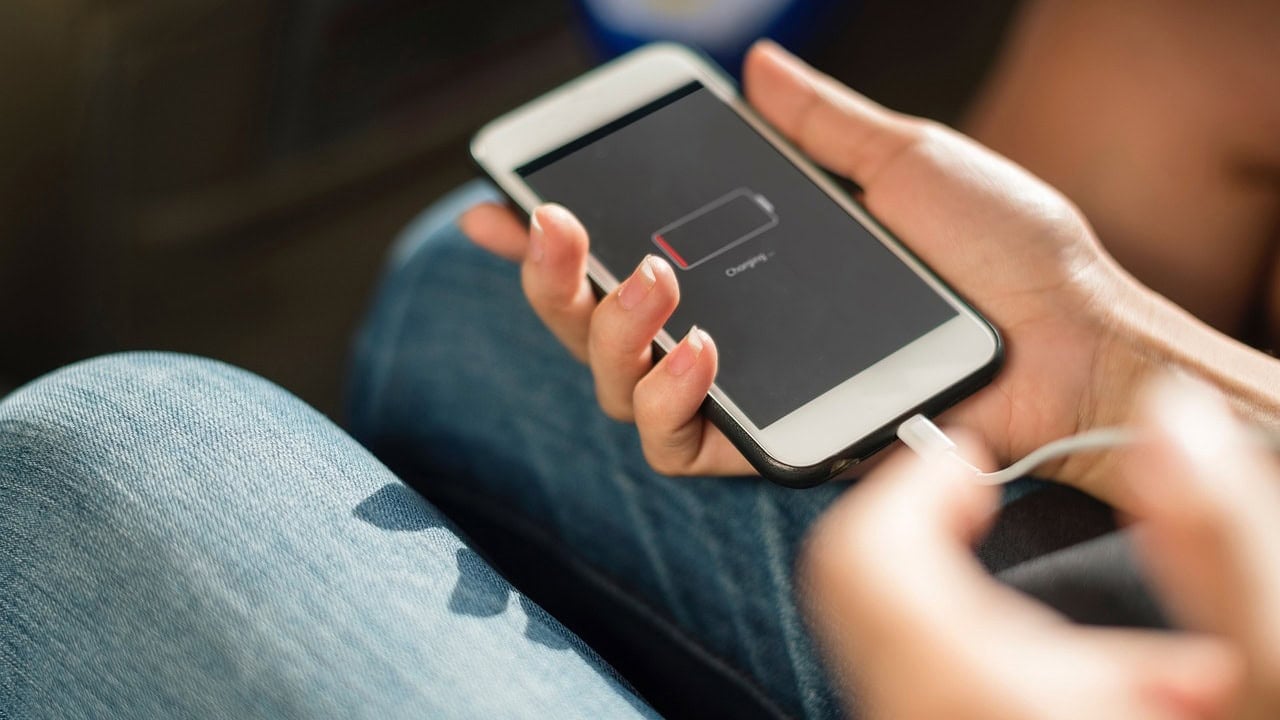
Inexpensive chargers from the gas station or online often don’t last long—or worse, damage your device. If you’re replacing them every month or two, the savings disappear fast.
A decent charger from a trusted brand might cost more upfront, but it won’t fray, overheat, or short out within a few weeks. Avoiding repeated replacements and potential device damage can easily save you hundreds.
Low-quality shoes

It’s tempting to grab a pair of $20 shoes when you need something quick, but they usually don’t hold up. Worn-out soles, poor support, and quick wear-and-tear mean you’re replacing them more often—and dealing with foot pain in the meantime.
A decent pair of shoes that lasts all year is worth the investment. You’ll spend less in the long run and save your feet from issues that cost even more later on.
*This article was developed with AI-powered tools and has been carefully reviewed by our editors.
Leave a Reply