
When money’s tight, your grocery list can make or break your week. The trick isn’t buying less food—it’s buying smarter ingredients that stretch across multiple meals without feeling repetitive.
Some foods are naturally versatile, filling, and budget-friendly, which means you can make more with less waste. Stocking up on these staples gives you flexibility for quick dinners, packed lunches, and leftovers that actually get eaten.
Here are ten ingredients that make every dollar go further without cutting corners on flavor.
Rice

Rice is one of the cheapest, most versatile staples you can keep in your pantry. It works as a base for stir-fries, burrito bowls, soups, and casseroles—and it fills you up without costing much.
Buy in bulk and mix it up between white, brown, or jasmine to keep things interesting. Leftover rice can also be turned into fried rice or added to soups for an easy second meal.
Eggs
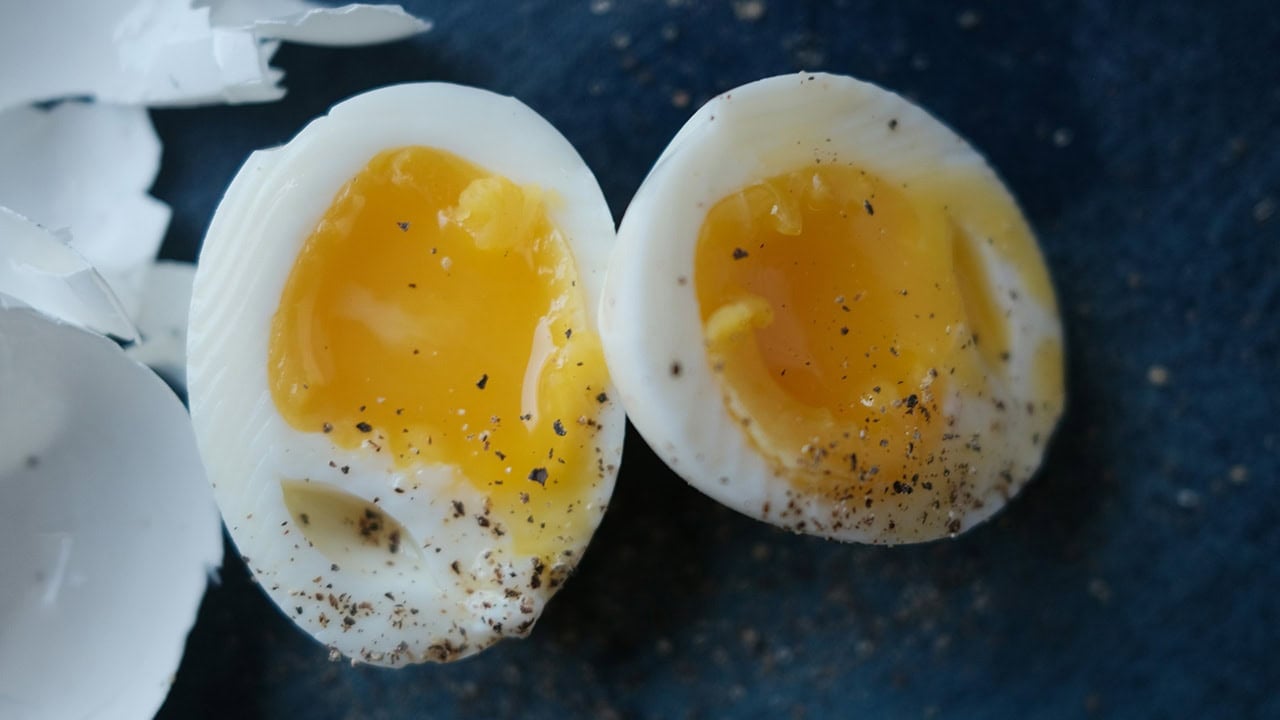
Eggs pack protein, cost far less than meat, and can turn into breakfast, lunch, or dinner. Scrambled, fried, boiled, or baked—they stretch any meal and keep you full.
They also work as a binding ingredient for casseroles, meatballs, and baked goods. When you’re watching your grocery bill, few ingredients are as flexible as eggs.
Dried beans
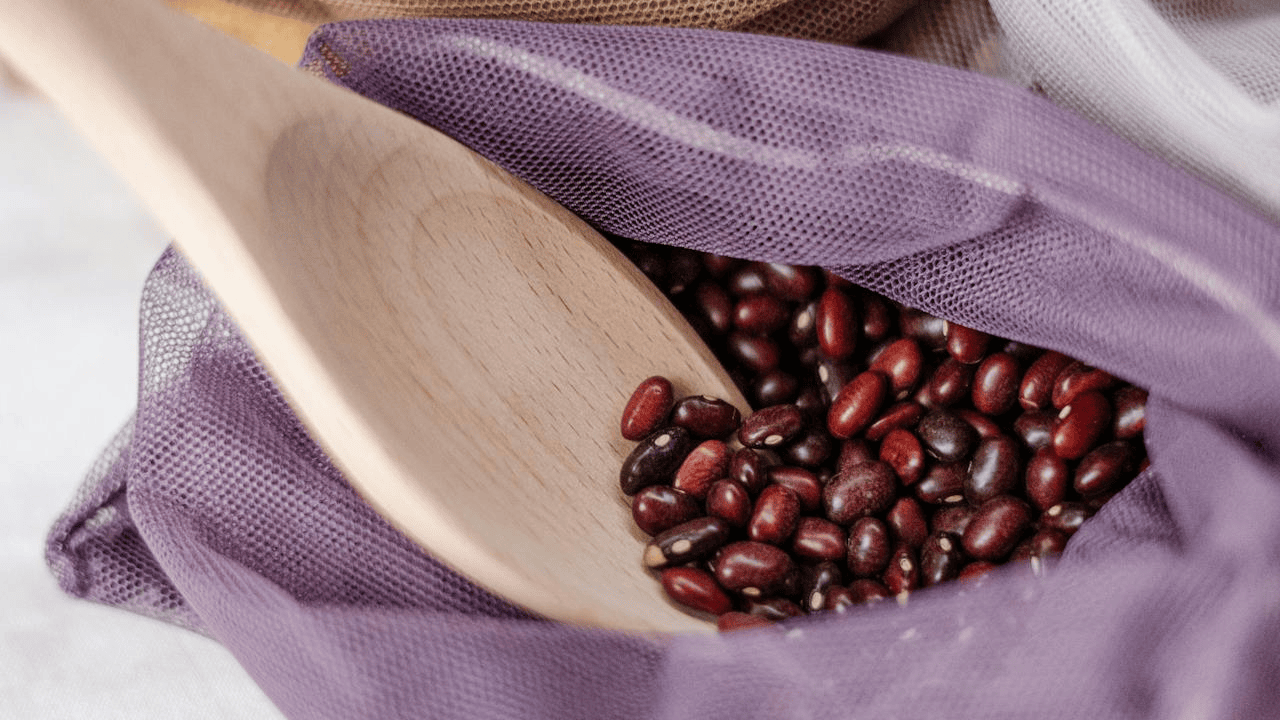
Dried beans cost pennies per serving and give you the same nutrients as canned versions for a fraction of the price. They take more time to cook, but the payoff is big in both flavor and savings.
Cook a large batch and freeze portions for later. You can use them in soups, tacos, chili, or even salads to bulk up meals without breaking your budget.
Potatoes

Potatoes can turn into a side dish, a main course, or the base for soups and casseroles. They’re inexpensive, filling, and store well for weeks.
You can bake them, mash them, or turn them into hearty breakfast hashes. They’re one of the best ways to make meals feel complete without spending extra.
Oats
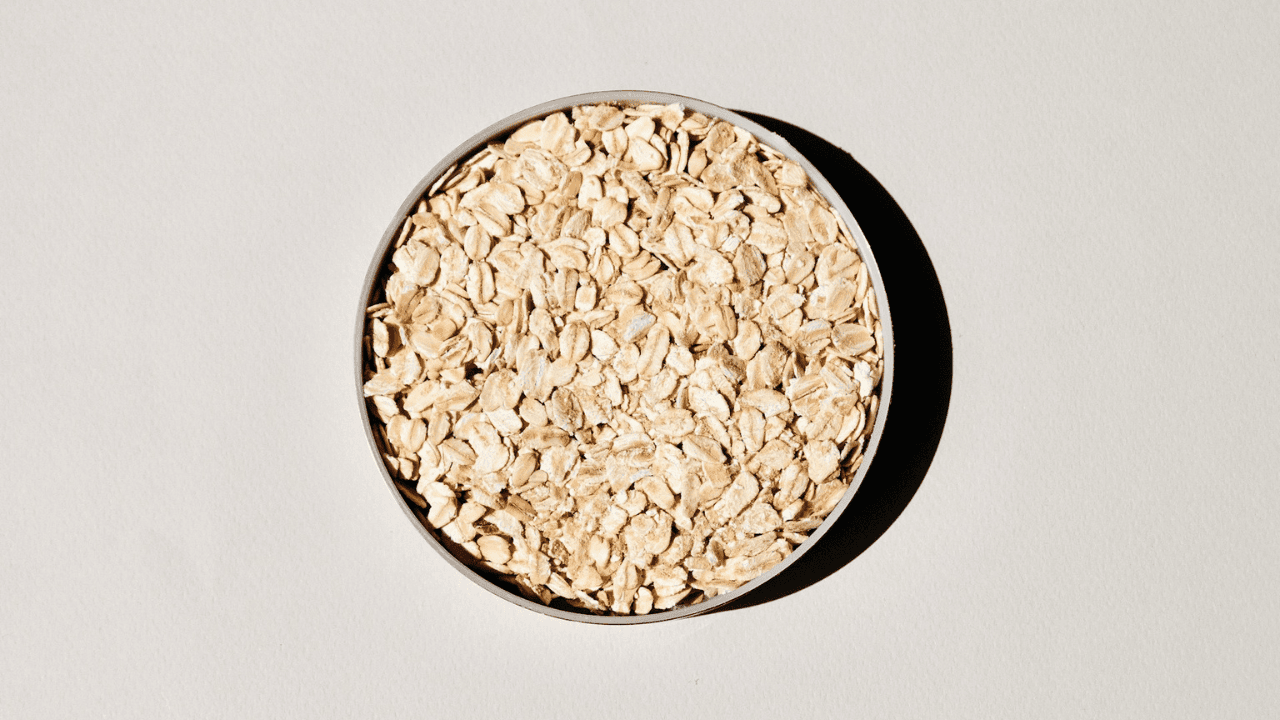
A big container of oats costs less than a box of cereal and lasts much longer. They’re great for breakfast, baking, or even savory recipes like meatloaf or veggie burgers.
You can prep overnight oats for the week, make homemade granola, or stretch ground meat by mixing oats into recipes. It’s one of the cheapest ways to add fiber and volume to your meals.
Frozen vegetables
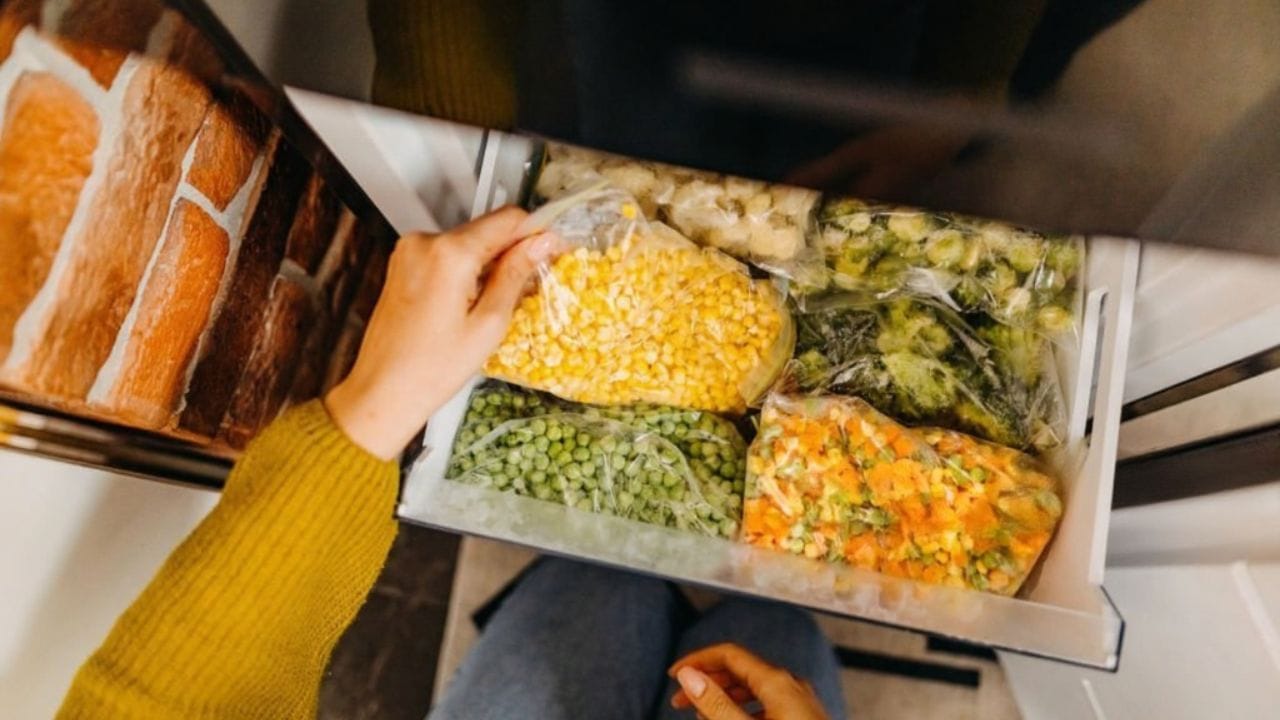
Frozen veggies are picked at their peak and often cheaper than fresh, especially when produce is out of season. They’re perfect for quick stir-fries, soups, and casseroles.
Since they last for months, you waste less food. Keep a few bags in the freezer so you always have a healthy side or ingredient ready to go.
Pasta

Pasta is a budget saver that never goes out of style. It’s filling, quick to cook, and works with almost any protein or sauce you have on hand.
Rotate between different shapes to keep meals interesting, and make use of leftovers by turning them into baked pasta dishes or pasta salads. It’s the kind of pantry staple that stretches any meal.
Cabbage
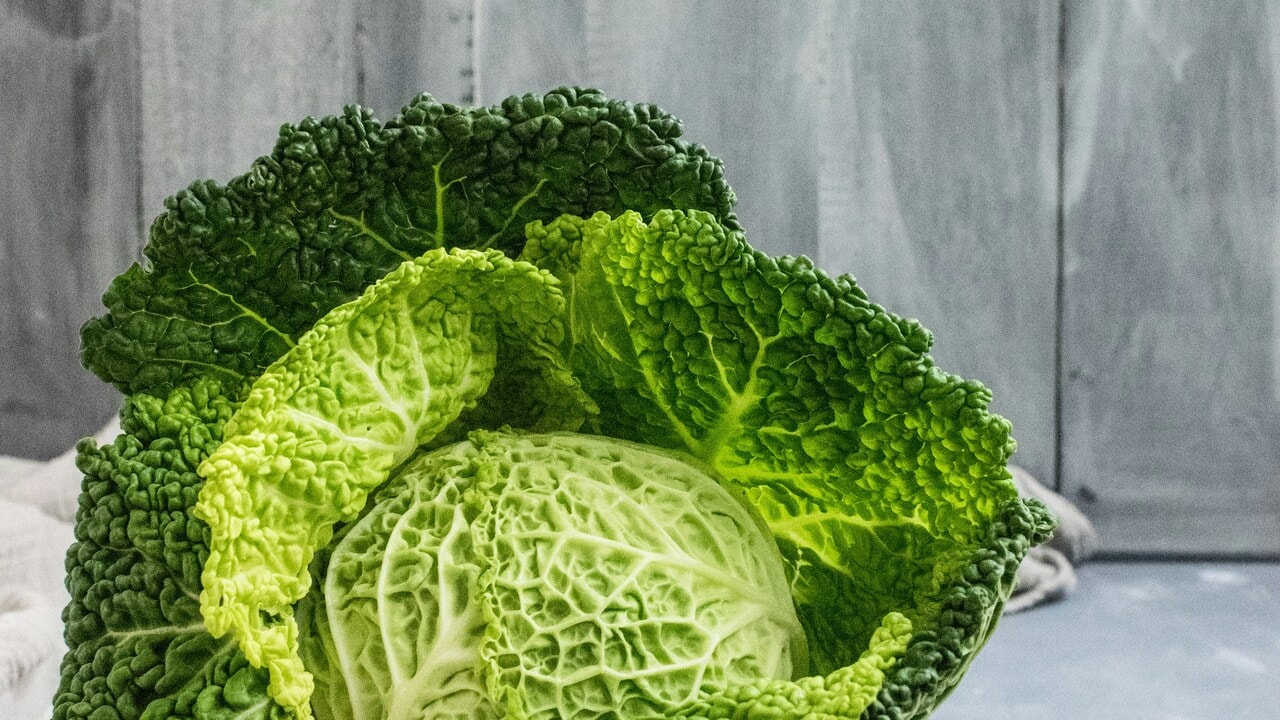
Cabbage is one of the cheapest vegetables you can buy, and it lasts for weeks in the fridge. It can be used raw in slaws or cooked into soups, stir-fries, and casseroles.
It adds crunch, bulk, and nutrients to your meals without adding cost. A single head can stretch across multiple dishes and still leave you with leftovers.
Lentils
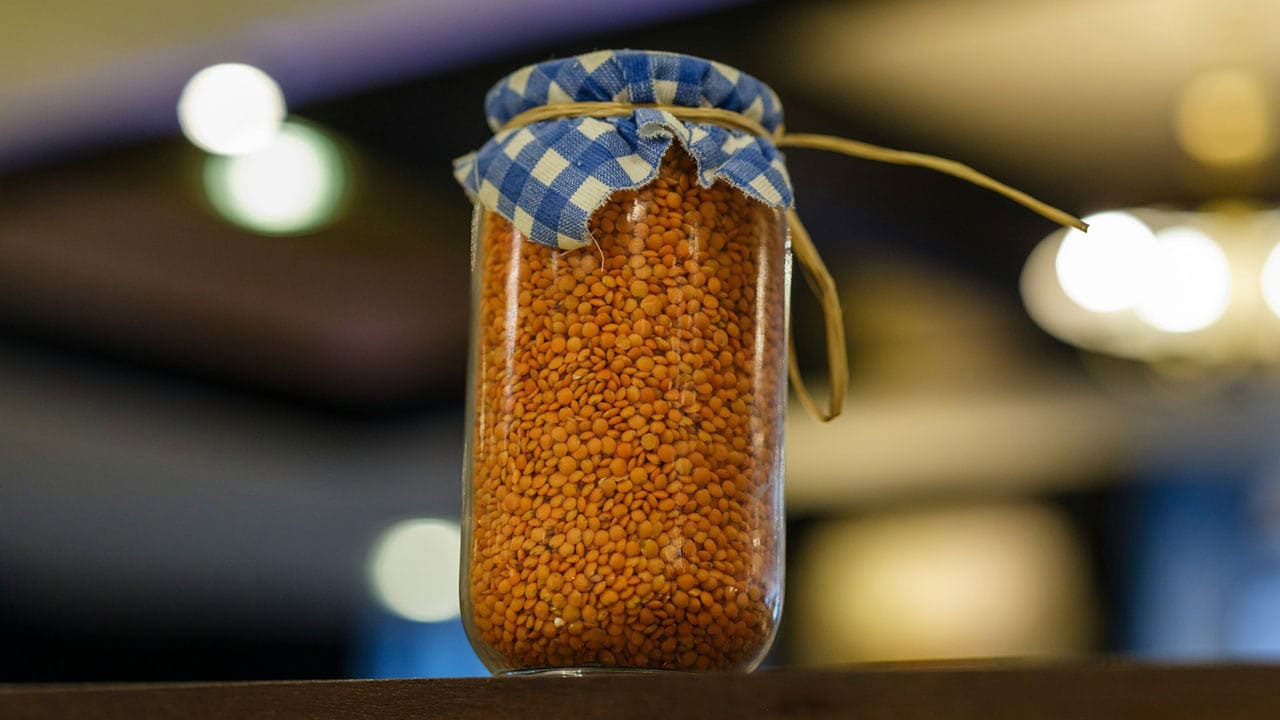
Lentils cook faster than beans, cost about the same, and offer tons of protein and fiber. You can use them in soups, tacos, salads, or even as a meat substitute in pasta sauce.
They’re easy to season and take on the flavor of whatever you cook with. A bag of lentils goes a long way when you’re trying to keep your grocery bill low.
Flour
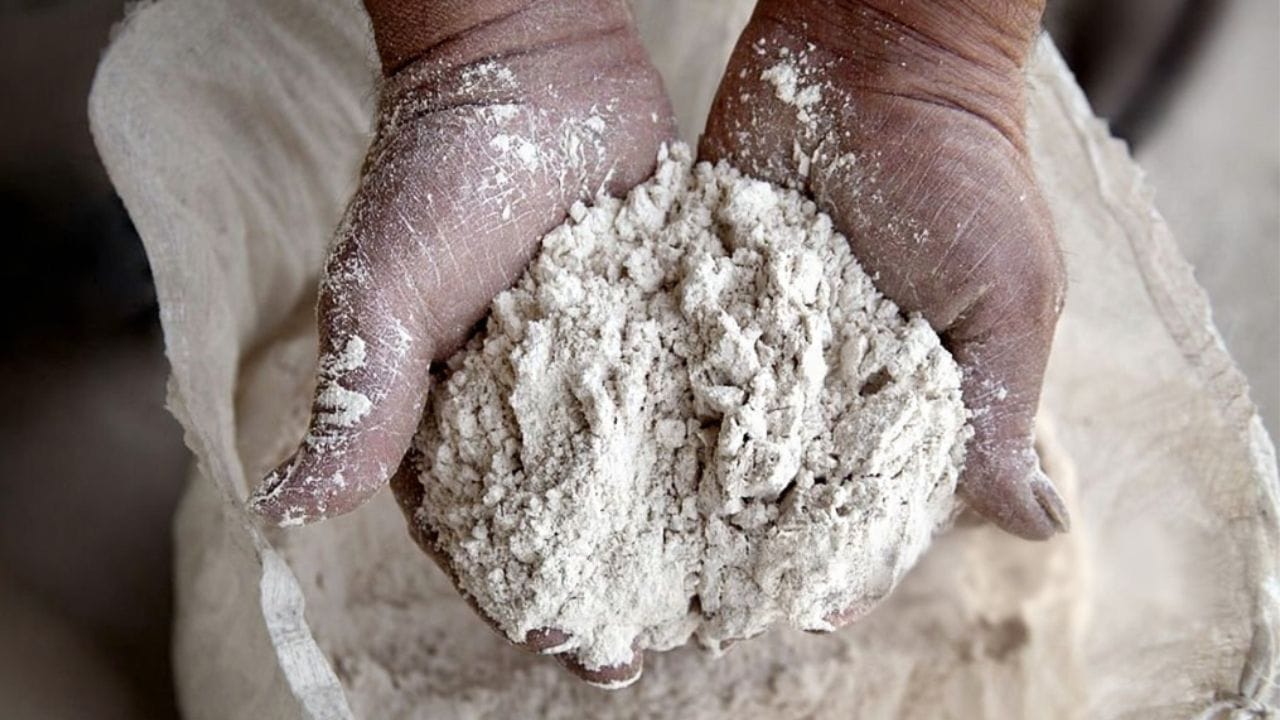
Flour gives you the ability to make your own bread, pancakes, tortillas, and more—all at a fraction of the cost of buying pre-made versions.
It’s one of those ingredients that keeps your kitchen flexible. When you’ve got flour, you can always make something filling from scratch, even when the pantry’s running low.
*This article was developed with AI-powered tools and has been carefully reviewed by our editors.
Leave a Reply