
10 home habits that lowered our utility bills
Utilities add up fast, especially when the seasons swing hard and the house is working overtime to stay cool or warm. But a lot of those high bills can be trimmed without totally changing your lifestyle. The habits that actually made a difference for us weren’t complicated—they were consistent.
Some took a little adjusting at first, but most became second nature and chipped away at our bills month after month. If you’re trying to spend less without sacrificing comfort, these are the habits that moved the needle for us.
Running Appliances at Off-Peak Times

Electric companies often charge more during high-demand hours, usually late afternoon and early evening. Running your dishwasher, laundry, or charging electronics overnight can make a noticeable dent if your provider offers time-of-use rates.
Check your electric bill or account dashboard—you might already be on a variable rate without realizing it. Making this one shift meant we were using the same energy, but paying less for it. It’s one of the easiest habits to build into your day.
Keeping the Thermostat Steady
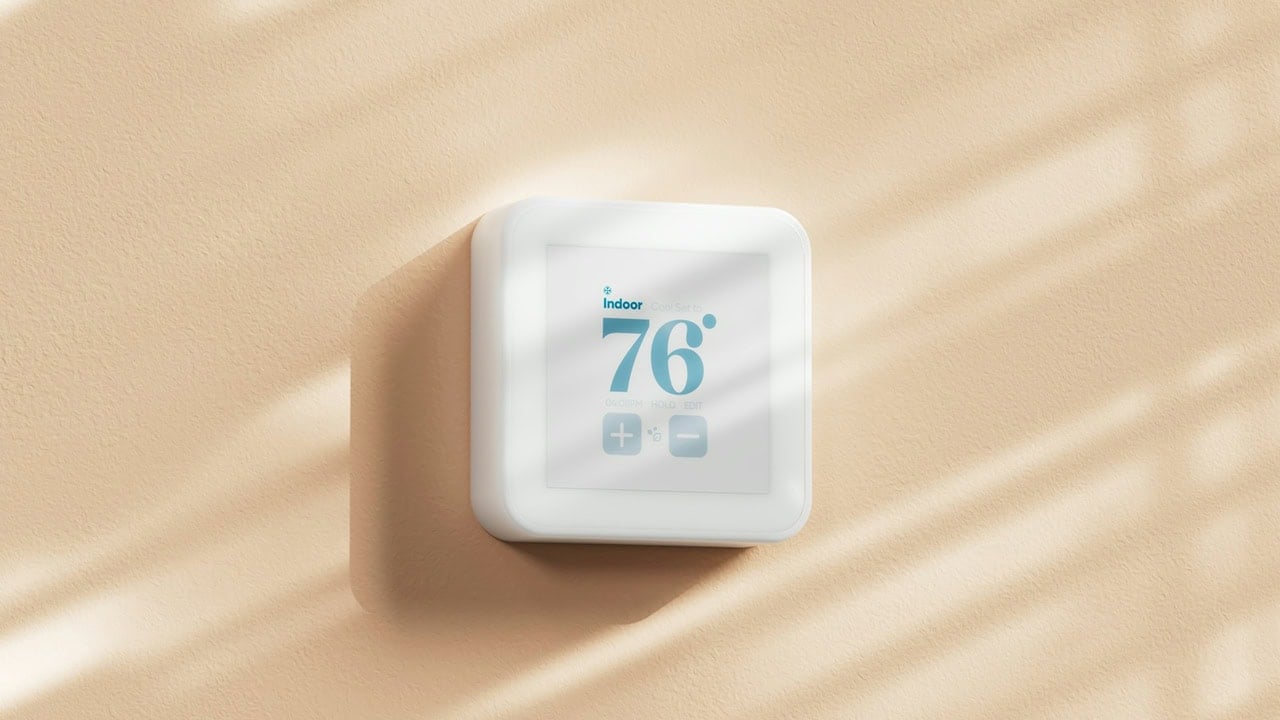
Constantly adjusting the thermostat messes with your system and uses more energy overall. We found that picking a comfortable range and leaving it alone kept the house more stable—and our bill lower.
During the summer, we keep it a little warmer during the day and use fans. In the winter, we layer up instead of cranking the heat. That consistency helped our HVAC system run more efficiently instead of constantly kicking on and off.
Unplugging Devices We Weren’t Using

Karolina Grabowska/Unsplash
Even when they’re off, a lot of devices still draw power—especially things like TVs, chargers, gaming systems, and printers. We got into the habit of unplugging what we weren’t actively using.
It might sound small, but the phantom energy use adds up over time. We didn’t unplug the fridge or anything essential, but we did go through and cut off anything that didn’t need to sit powered 24/7. The difference showed up after a couple billing cycles.
Air-Drying Clothes Whenever We Could
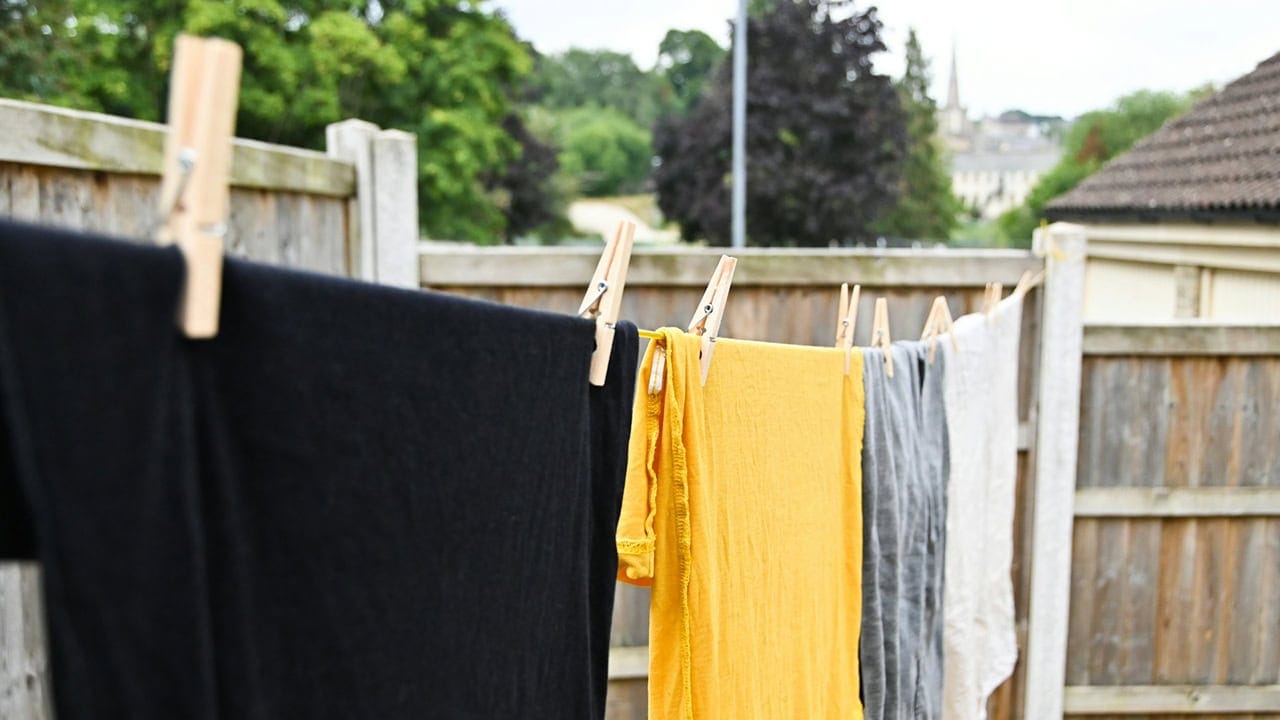
The dryer’s one of the most energy-hungry appliances in the house. We started line drying towels, jeans, and bedding—especially during warm months—and saved more than expected.
Even if you can’t air-dry everything, skipping the dryer when you can makes a real impact. We still use it for socks and smaller stuff, but cutting back on the bulk loads helped keep our electric bill down.
Swapping to LED Bulbs
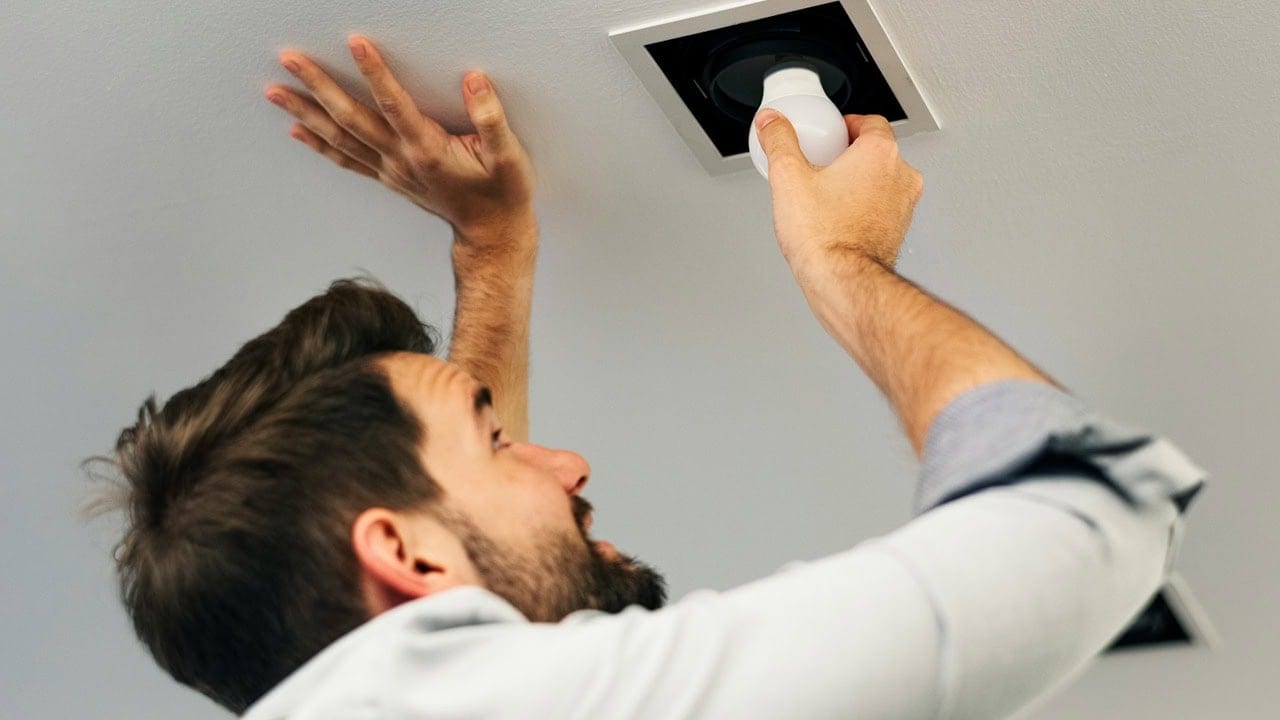
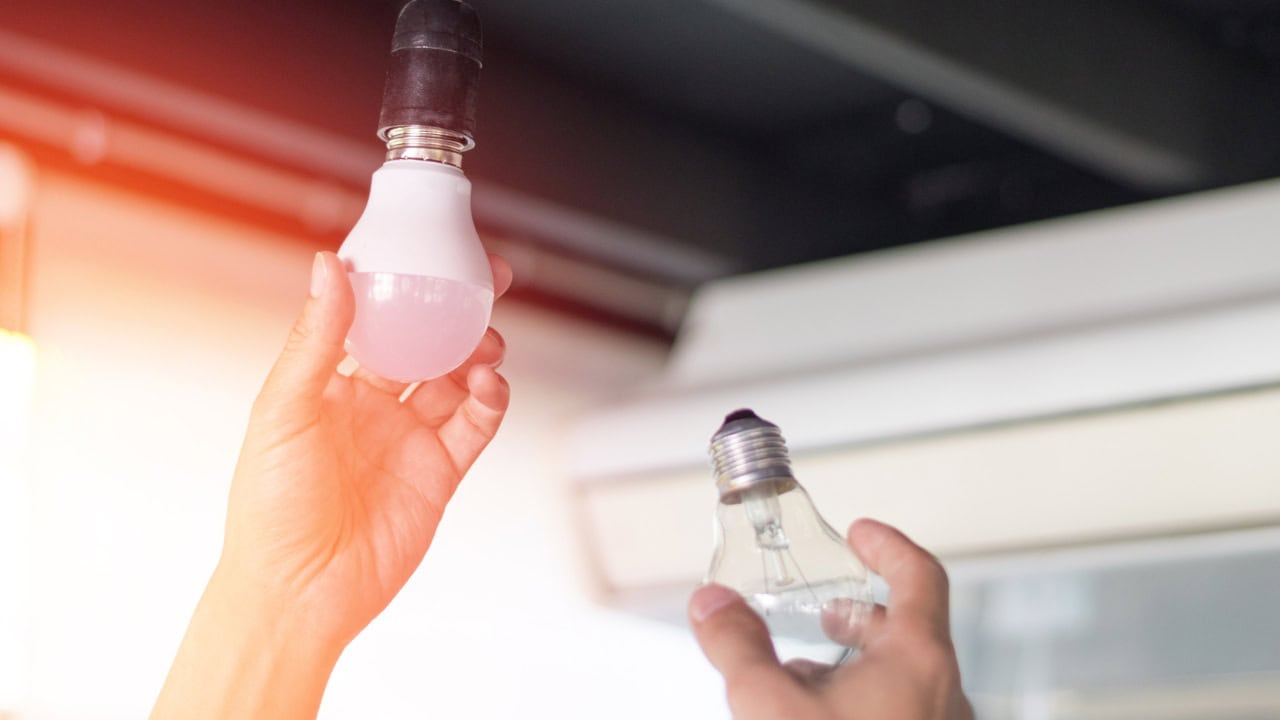
This one was a slow transition—we didn’t run out and replace every bulb all at once. But as the old ones burned out, we replaced them with LEDs. Over time, it added up.
LEDs last longer and use less energy, period. Even in lamps we rarely use, switching helped trim our overall usage. It wasn’t flashy, but it worked. Plus, no more surprise bulb burnouts during dinner.
Using Fans to Cut AC Time

We live in the South, so cutting out AC completely wasn’t an option—but using ceiling fans and floor fans helped us rely on it a lot less. Airflow keeps you cooler than you’d think.
Once we got in the habit of turning on fans first, the thermostat stayed put more often. Fans cost pennies to run compared to the AC system. That habit alone made our summer bills less painful.
Turning Off the Lights Behind Us

This was one of those habits that took reminding at first, especially with kids. But once it stuck, it became second nature. Leaving lights on in empty rooms wastes more than you’d think.
We started using lamps in the evening instead of overhead lights and made sure the last one out of a room flipped the switch. It wasn’t hard, but it made a difference across the whole house.
Insulating Gaps Around Doors and Windows
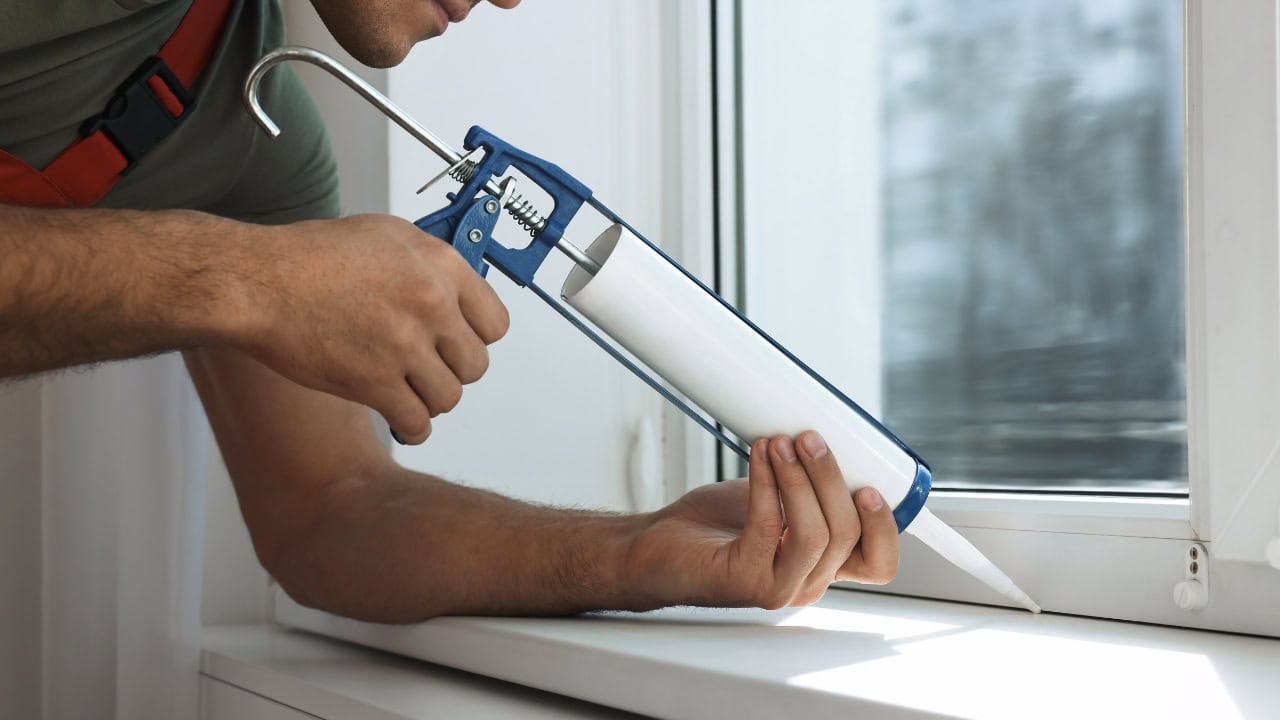
We had a couple doors and windows that always felt drafty. After sealing them up with weatherstripping and caulk, the house held temperature way better.
It’s not expensive and you don’t need a full renovation to fix energy leaks. Once those spots were sealed, the HVAC didn’t have to work as hard—and that showed up on our winter bill pretty quickly.
Running Full Loads in the Dishwasher and Washer
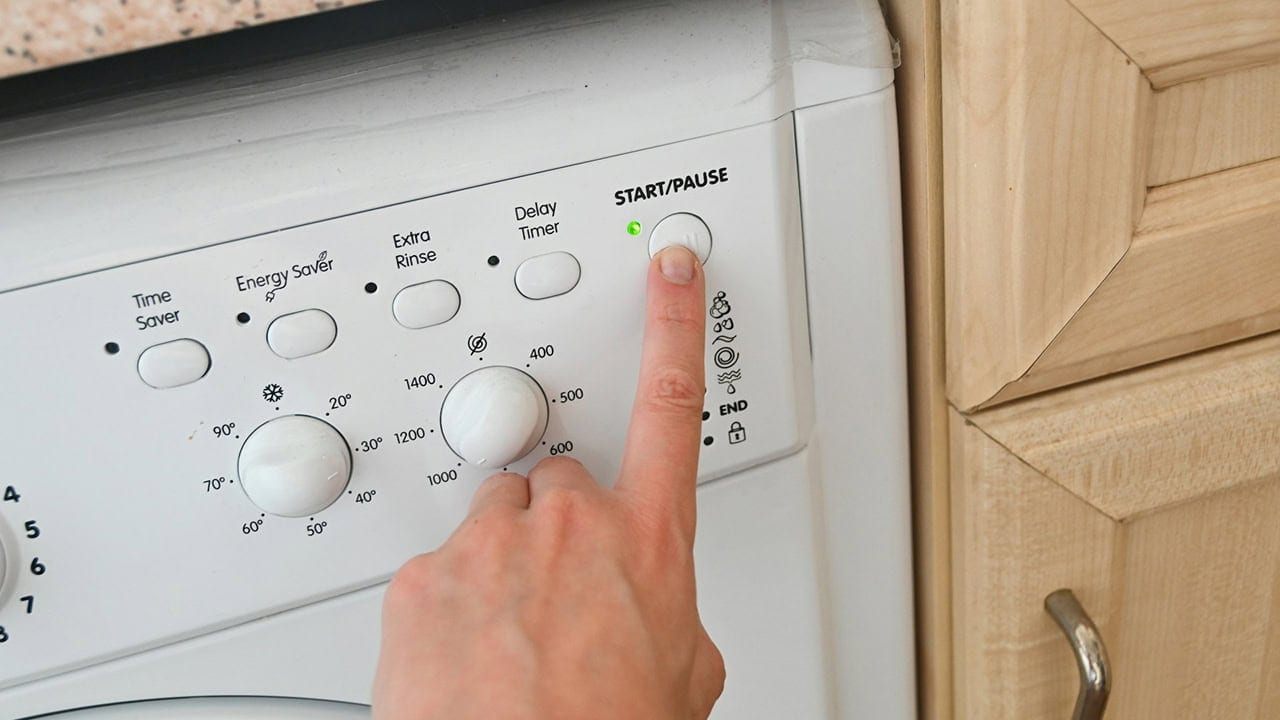
Partial loads waste both water and energy. We stopped running the dishwasher until it was fully loaded and did the same with laundry. That small change helped cut down how often we used both.
It also meant fewer cycles overall, which saved time and wear on the machines. Once we stopped rushing to wash things “real quick,” the usage leveled out—and the savings followed.
Setting the Water Heater to 120°F

Most water heaters are set way higher than they need to be, which wastes energy nonstop. We lowered ours to 120°F, which is still hot enough for dishes and showers but not scalding.
It didn’t affect our daily routines at all, but it reduced how often the heater kicked on. That background energy drain dropped, and we never noticed a comfort difference.
*This article was developed with AI-powered tools and has been carefully reviewed by our editors.
Leave a Reply