
You don’t have to be broke to feel broke. Sometimes it’s not your income holding you back—it’s the little habits that keep you stuck in a “barely getting by” mindset.
These habits creep in quietly, but they add up fast. The good news is, most of them are easy to fix once you notice them.
Ignoring what’s in your account
If you’re too afraid to check your bank balance, you’re not in control—you’re avoiding reality. That constant uncertainty makes you feel broke even when the money is there. You end up second-guessing every purchase and assuming you can’t afford things you actually can.
Checking your balance regularly builds confidence. You stop making decisions out of fear and start making them out of awareness.
Putting off small repairs
Letting broken things pile up—door handles, leaky faucets, torn clothes—creates the feeling of scarcity. It’s a constant reminder of what’s “not working” in your life. Even small fixes can shift that mindset.
When you take care of what you own, it changes how you view your space and your finances. It feels like progress, even when the repair is minor.
Buying cheap replacements
It’s easy to think you’re being smart by saving money upfront. But cheap items wear out faster, forcing you to rebuy them again and again. That cycle keeps you feeling stuck, like you can never quite get ahead.
Spending more on quality—when it makes sense—actually saves money and frustration long-term. It’s not about being fancy. It’s about being done rebuying.
Saying yes to everything
Overcommitting drains your time, energy, and wallet. You end up stretched thin, eating out more, or skipping things that actually bring you peace. When you can’t say no, your money ends up scattered across everyone else’s priorities but your own.
Saying no doesn’t make you selfish—it makes you smart. You’ll feel more in control when your time and money are aligned with what matters most to you.
Letting clutter pile up
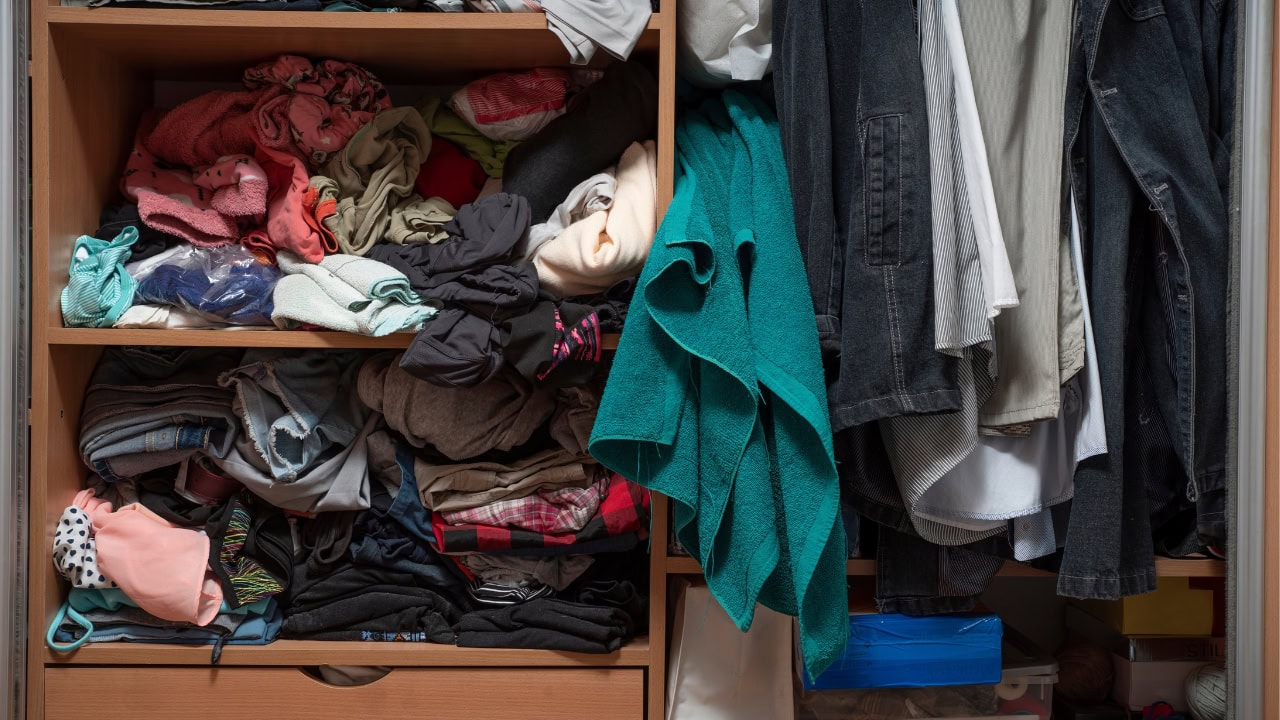
A cluttered home makes you feel chaotic, even if your finances are fine. When you can’t find what you already own, you end up buying duplicates. And when your space feels out of control, your spending usually follows.
Clearing things out gives you instant relief. You’ll start feeling wealthier the moment you stop wasting money—and mental space—on stuff you don’t use.
Eating like you’re broke
Living off drive-thru meals or snack dinners doesn’t save much money, but it does keep you in survival mode. Cooking at home isn’t just cheaper—it makes you feel capable, organized, and grounded.
When your meals feel balanced and intentional, your mindset shifts. You stop feeling like you’re scraping by and start acting like someone in control of their life.
Keeping “backup” bills
Holding onto old subscriptions, memberships, or duplicates of services you don’t use creates hidden financial clutter. You’re paying for things that no longer serve you, but your brain keeps them under “just in case.”
Go through your bank statement and cancel what’s outdated. Every dollar you free up adds to your confidence and mental breathing room.
Comparing your spending to others
Scrolling through social media and seeing what everyone else buys can make you feel like you’re behind, even if your finances are stable. Comparison keeps you focused on what you don’t have instead of what’s working.
When you stop chasing other people’s standards, you realize you’re doing fine. Contentment feels richer than anything you can order online.
Living with constant inconvenience

When you put up with daily frustrations—broken hangers, burned-out light bulbs, disorganized drawers—it wears you down. It’s not about money; it’s about comfort and ease.
Fixing those small inconveniences costs almost nothing, but it changes how you feel in your own home. Order matters. It creates mental space and a sense of control.
Treating saving like punishment
If saving feels restrictive, you’re approaching it the wrong way. You’ll never feel secure if you treat saving as something you “have” to do instead of something that gives you options.
When you reframe saving as buying peace of mind, it starts to feel rewarding. The habit builds confidence—and that’s what truly makes you feel rich.
*This article was developed with AI-powered tools and has been carefully reviewed by our editors.
Leave a Reply