
10 grocery swaps that saved us $60 a week

Feeding a family without blowing the budget isn’t always about clipping coupons or eating the same three meals on repeat. Most of the time, the real savings come from changing what you buy, not how much.
Once I started paying attention to the grocery items that quietly drained my wallet, I found better swaps that saved money without making meals feel cheap or boring. These are the swaps that made a noticeable difference—week after week.
Swap Name-Brand Snacks for Store Brands
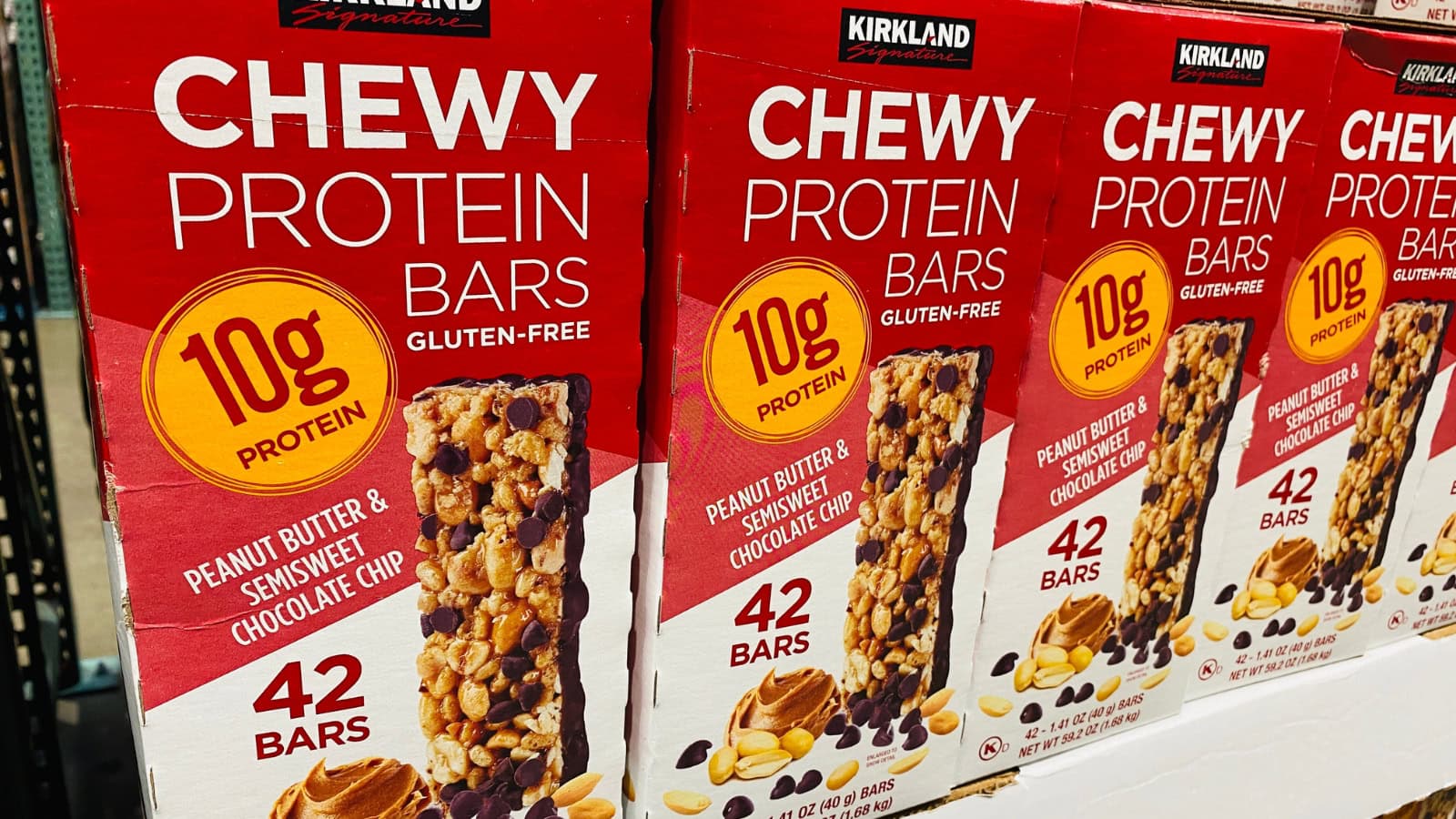
Pre-packaged snacks are an easy grab, but the name-brand versions are usually priced way higher than they need to be. Chips, granola bars, crackers—they all taste nearly identical when you compare them side by side, especially with store brands from Aldi or Costco.
Making this switch across the board knocked off a solid $10–15 every trip. You’re still getting the convenience, but without paying for the label. And if something doesn’t taste right, most stores have solid satisfaction guarantees so you’re not stuck with it.
Swap Pre-Cut Fruit for Whole
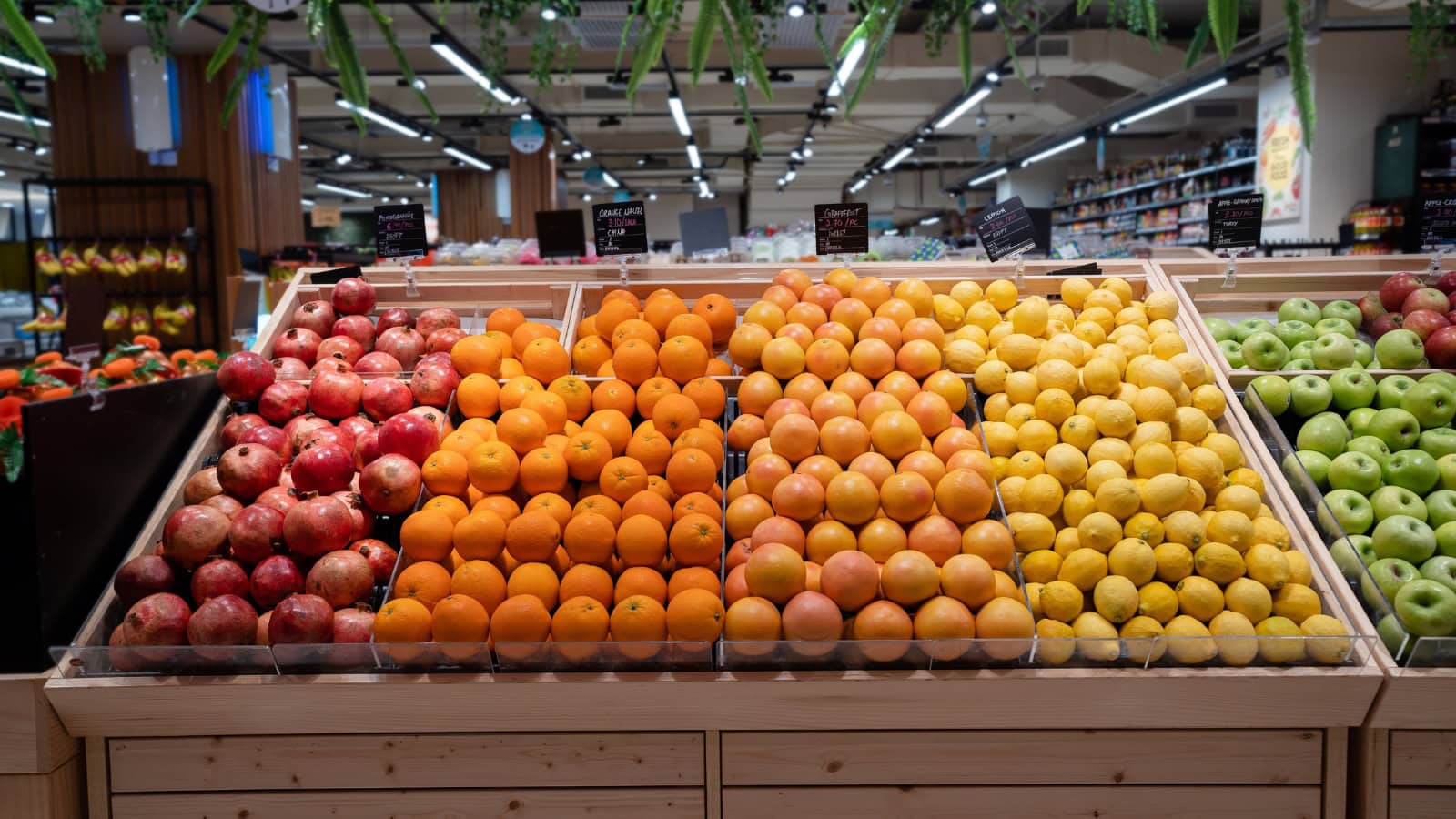
Those containers of cut watermelon or pineapple might look convenient, but you’re paying extra for someone else to do a two-minute job. In most cases, you’re getting half the amount for twice the cost.
Buying whole fruit and cutting it yourself saves more than you’d think—especially with things like melons, mangoes, or pineapple. It lasts longer too, and you can portion it how you want. A few extra minutes with a knife can save you $5–10 right there.
Swap Ground Beef for Ground Turkey or Chicken

Beef prices can spike fast, especially for anything lean. Swapping out ground beef for ground turkey or ground chicken in things like tacos, pasta dishes, or casseroles made a noticeable dent in our total.
You’re still getting the protein, and it takes on seasoning really well. When turkey or chicken is on sale, we stock up and freeze it. You can save several dollars per pound without sacrificing the kind of meals your family already likes.
Swap Bottled Drinks for Filtered Water or Pitcher Tea

Bottled water, flavored drinks, juice boxes—they add up faster than you realize, especially if they’re a regular part of your cart. We swapped out most of those for filtered water at home and big batches of tea or lemonade in the fridge.
Not only did it cut down on waste, it saved us close to $10 a week. You’re still hydrated, still have flavor options, but you’re not paying for plastic and branding anymore.
Swap Cereal for Oats or Eggs

Name-brand cereal is expensive for what it is—and most of the time, it doesn’t keep anyone full for long. Swapping it for quick oats, eggs, or toast with peanut butter gave us more filling breakfasts that cost way less per serving.
You can dress up oats a hundred ways, and a dozen eggs stretches across several meals. It’s an easy win that saves money and actually keeps people satisfied longer into the day.
Swap Lunch Meat for Cooked Meat at Home
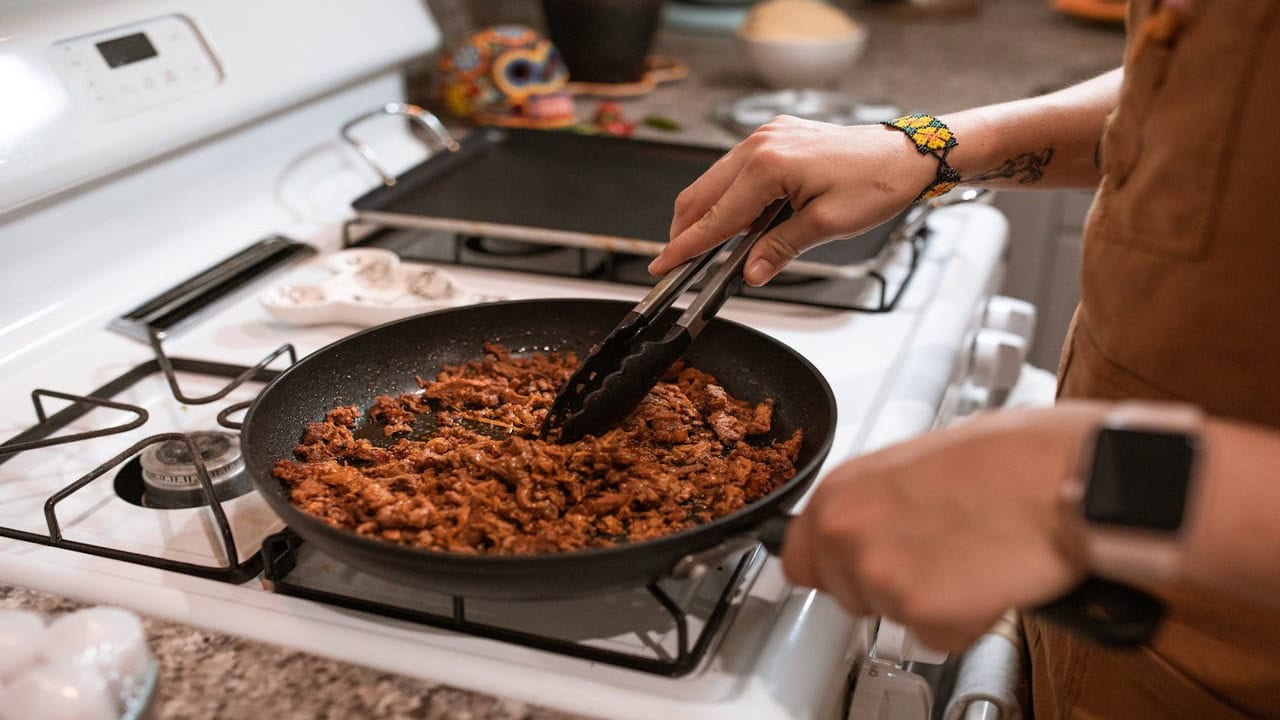
Those deli packs of turkey and ham seem convenient, but they’re some of the most overpriced items per pound at the store. We started cooking extra chicken, pork, or roast beef during dinner and using leftovers for sandwiches.
It’s fresher, cheaper, and usually tastes better too. You’re not dealing with the additives or mystery texture of processed meat, and it gave us a reason to use up leftovers in a smarter way.
Swap Brand-Name Cheese for Block Cheese

Pre-shredded cheese is convenient, but it usually costs more—and you’re paying for added anti-caking agents that don’t melt as well. Buying block cheese and shredding it yourself saves money and gives you better texture in cooking.
You can use a food processor or a handheld grater and get a lot more out of each block. We usually save a couple dollars per package this way, and it stretches further in meals like baked pasta or casseroles.
Swap Fancy Yogurt Cups for Plain Tub Yogurt

Those individually packed yogurts—especially the ones with mix-ins—are a sneaky expense. They’re often loaded with sugar and cost more per ounce than a big container of plain yogurt.
We switched to buying one large tub of whole milk yogurt and adding our own fruit, honey, or granola. It lasts longer, tastes better, and gives us full control over the sugar and toppings. Way more budget-friendly and a lot more versatile.
Swap Bagged Salads for Whole Ingredients

Bagged salads feel convenient, but the greens often wilt faster and cost more than buying a few separate veggies. You’re also limited in what’s included and stuck with whatever dressing comes in the bag.
Buying a head of lettuce, a couple tomatoes, cucumbers, and a block of feta gives you more meals and lets you mix things up. It doesn’t take much longer, and you get way more for your money. This swap alone knocked $5–8 off our weekly total.
Swap Big-Brand Bread for Store Bakery or Freezer Bread

We used to grab the same bread every week out of habit until we realized how much better the price was on store bakery loaves or even frozen bread options. Same quality, lower cost, and usually fewer preservatives.
It’s worth checking the end cap markdowns too—bakery bread that’s close to its sell-by date is often discounted and still good for days. We freeze what we’re not using right away and save a couple bucks per loaf every time.
*This article was developed with AI-powered tools and has been carefully reviewed by our editors.
Leave a Reply