10 Grocery Store Tricks That Make You Spend more
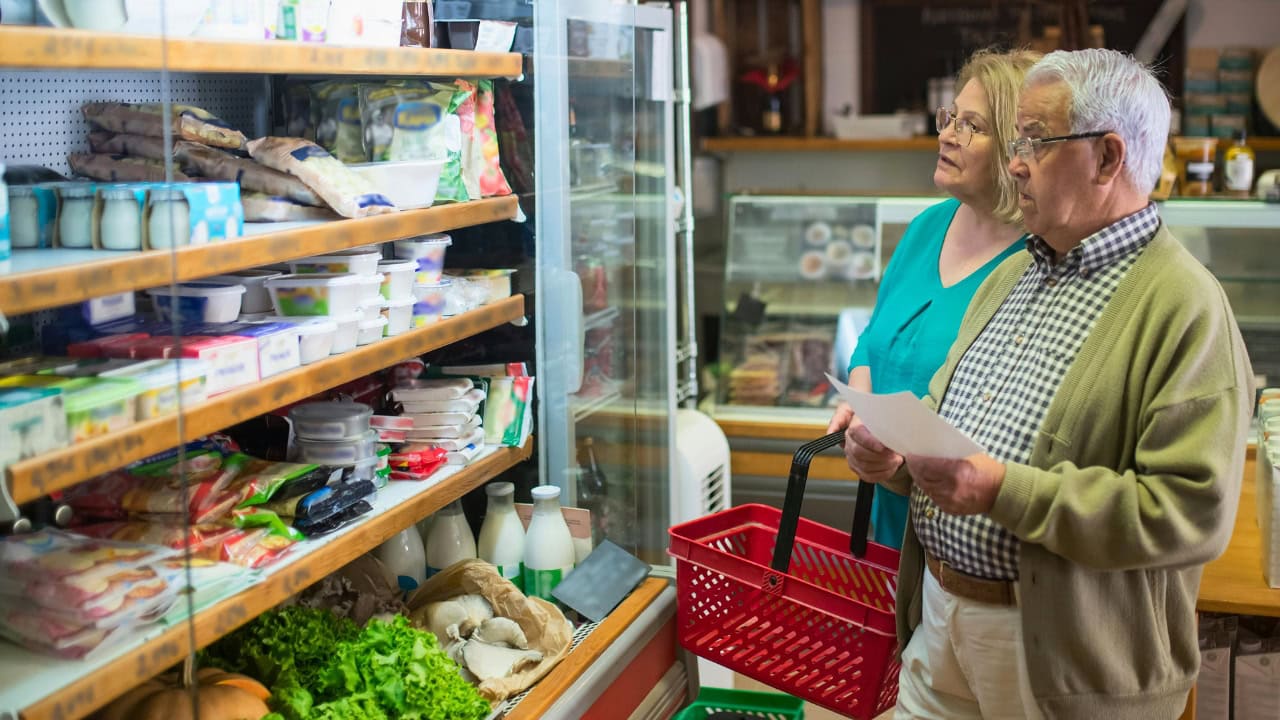
Grocery stores are set up to keep you spending. From layout choices to pricing strategies, a lot of what feels like convenience is actually designed to bump up your total at checkout. The good news? Once you know what to look for, you can start spotting these tactics before they get you.
These are the most common tricks stores use to nudge you into buying more than you planned—and how to avoid falling for them.
Putting Essentials in the Back
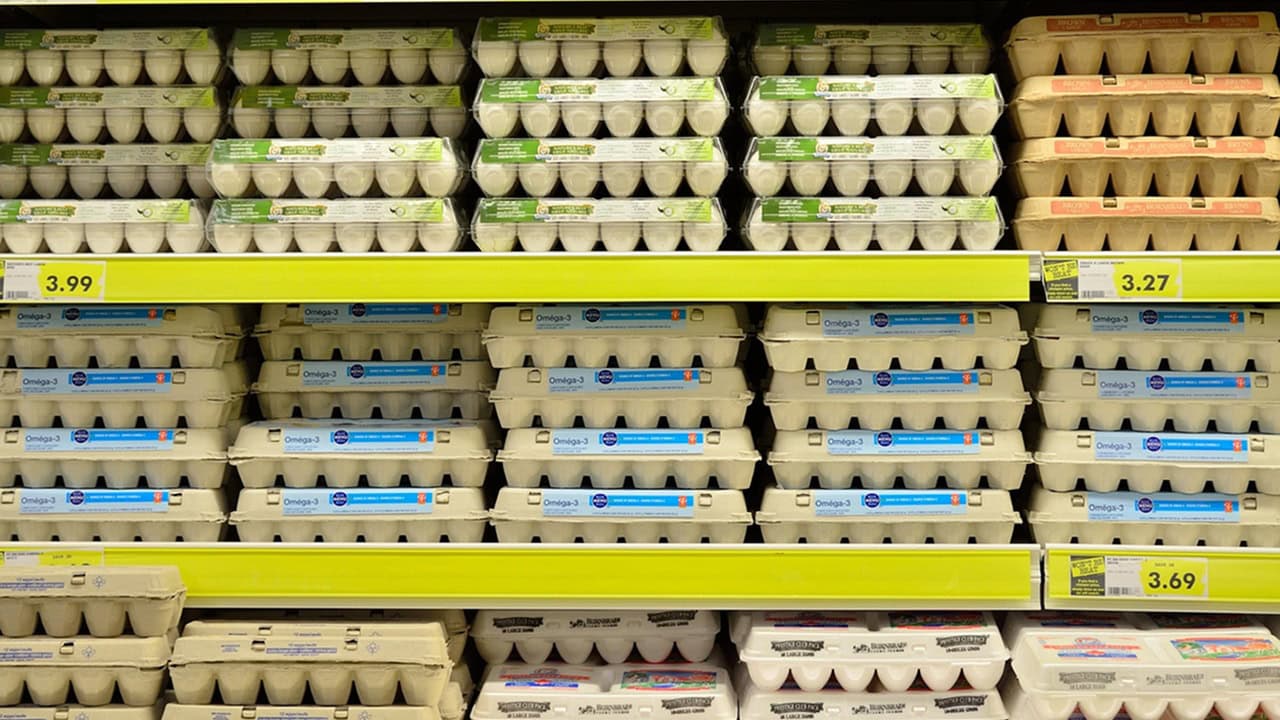
Milk, eggs, and bread are often placed in the very back of the store on purpose. It forces you to walk through multiple aisles, passing tempting displays and sale signs along the way.
Even if you came in for one thing, this setup increases the chances you’ll grab something else before you make it to the checkout. Stick to a list and resist the urge to browse “just in case” you forgot something.
Endcap Displays That Aren’t Always Deals
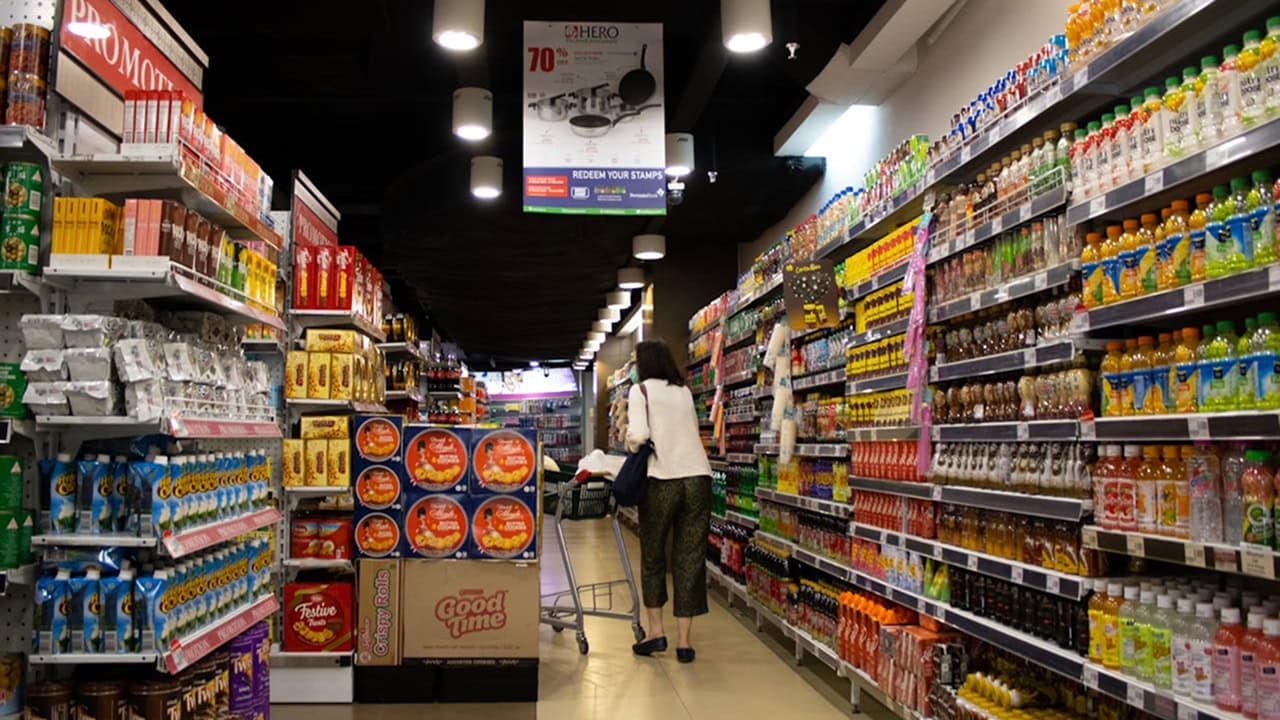
Endcap shelves—the ones at the end of each aisle—are designed to grab your attention. And while they look like they’re showcasing sales, a lot of the time, they’re just regular-priced products displayed in bulk.
These spots are meant to feel urgent or special, but they’re often stocked with items the store wants to move. Always check the price per unit and compare it to similar items on the regular shelves before tossing it in your cart.
Playing Music That Slows You Down
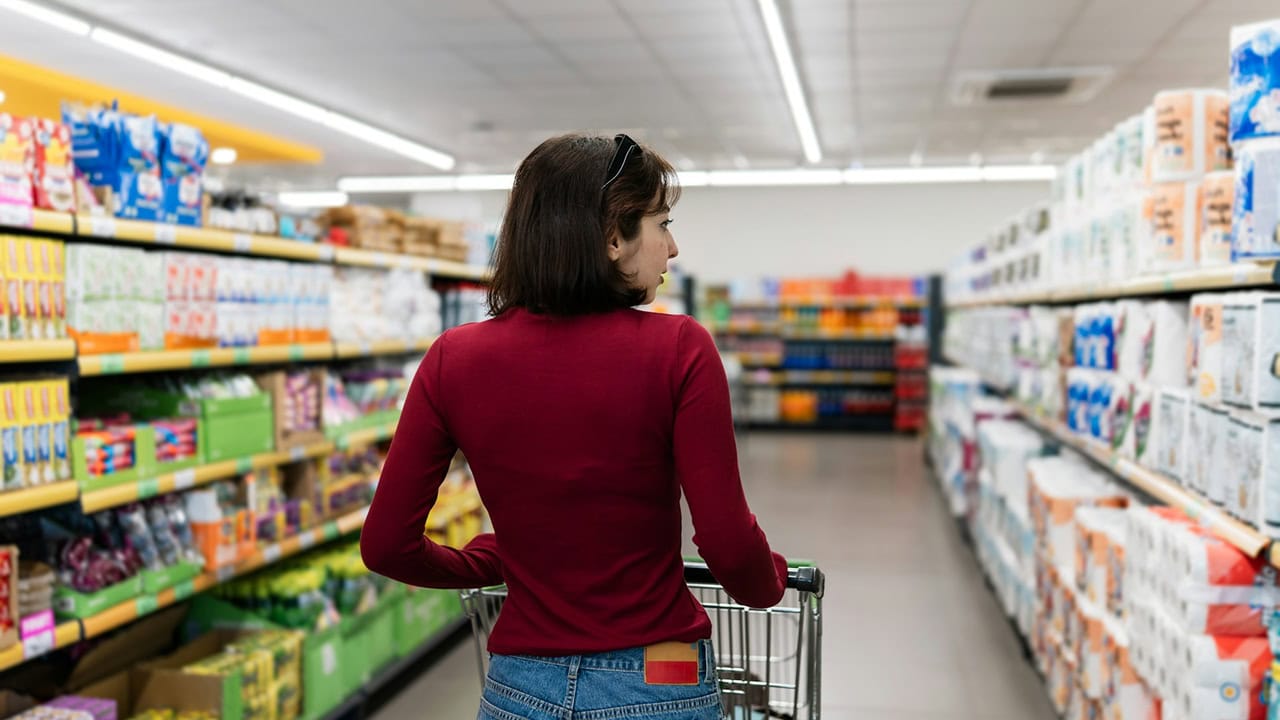
Stores often play slower music to encourage a slower pace. The longer you stay, the more you’re likely to spend. It sounds harmless, but it’s a subtle way to influence how much time you spend browsing.
If you’re shopping on a budget, move with intention. Put in earbuds with your own playlist if you have to. The more focused you are, the less likely you’ll be distracted into unnecessary extras.
Placing Impulse Buys at Checkout
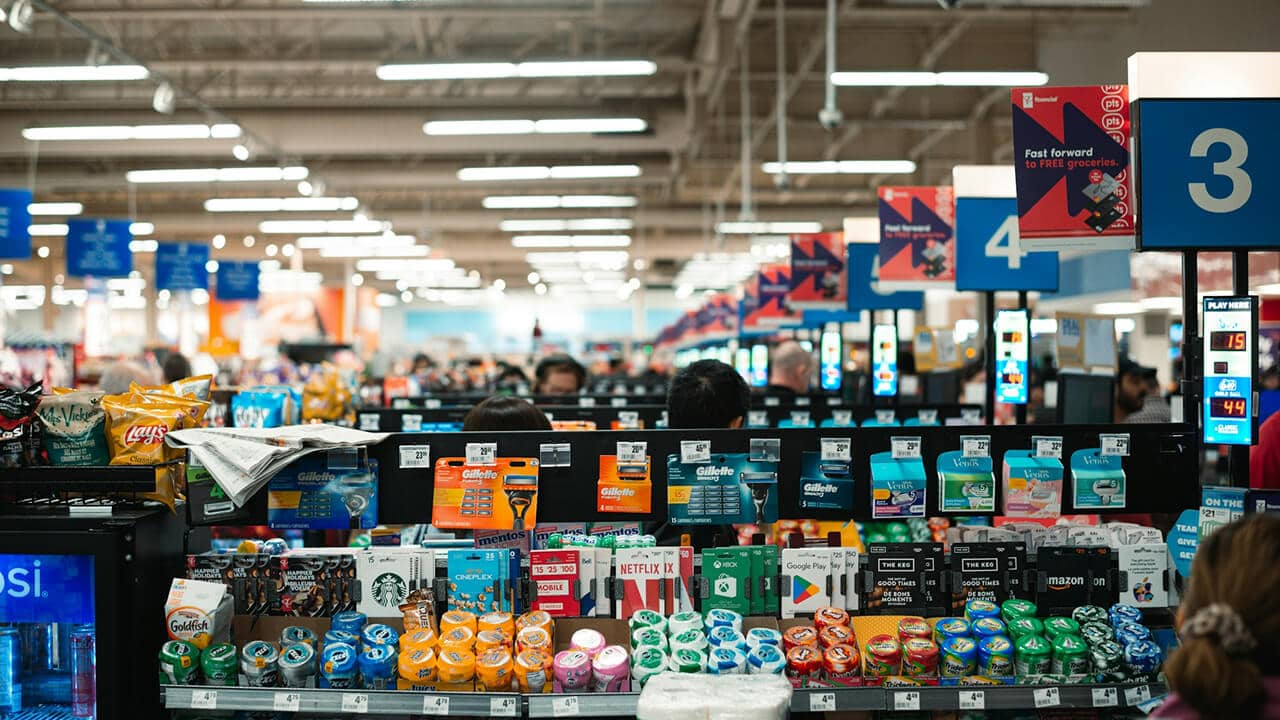
The checkout lane is packed with things nobody planned to buy—candy bars, gum, lip balm, energy shots. These are placed there on purpose to catch you while you’re standing still and maybe a little hungry or tired.
Even small purchases add up over time. If you know you’re prone to impulse buys, make it a habit to avoid looking around once you’re in line. Keep your eyes on your cart, not the shelves around you.
Using Larger Carts to Encourage More Spending
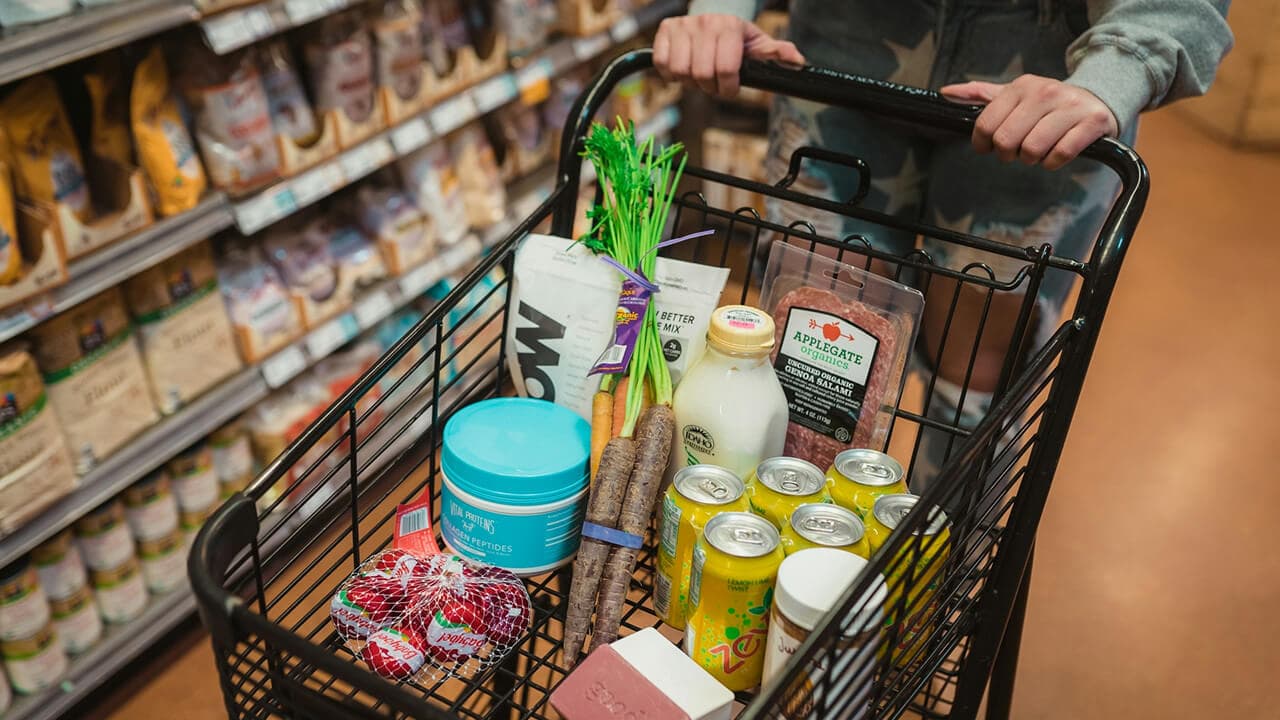
Most grocery carts have gotten bigger over the years—and there’s a reason for that. A half-full large cart can feel empty, which can subconsciously make you think you haven’t picked up enough.
Using a smaller cart or even a basket when you don’t need much helps you stay realistic about what you’re buying. If your cart feels full faster, you’re more likely to stop before overspending.
Rotating Products to Throw Off Your Routine
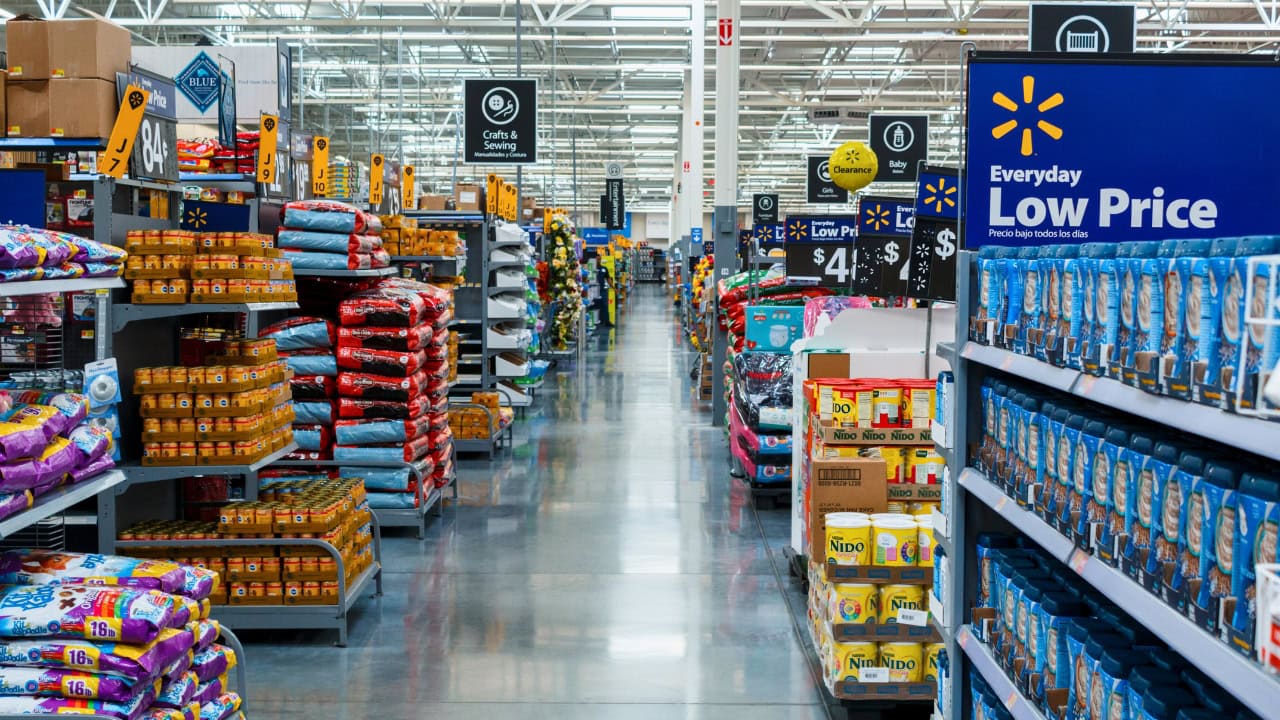
Stores will move items around regularly—not because they’re organizing, but because it forces you to scan more shelves, which exposes you to more products you might not normally notice.
This tactic increases the odds you’ll make unplanned purchases. If you notice your regular items have been moved, don’t fall into the trap of browsing too long. Find what you need and get back on track.
Pricing That Looks Better Than It Is
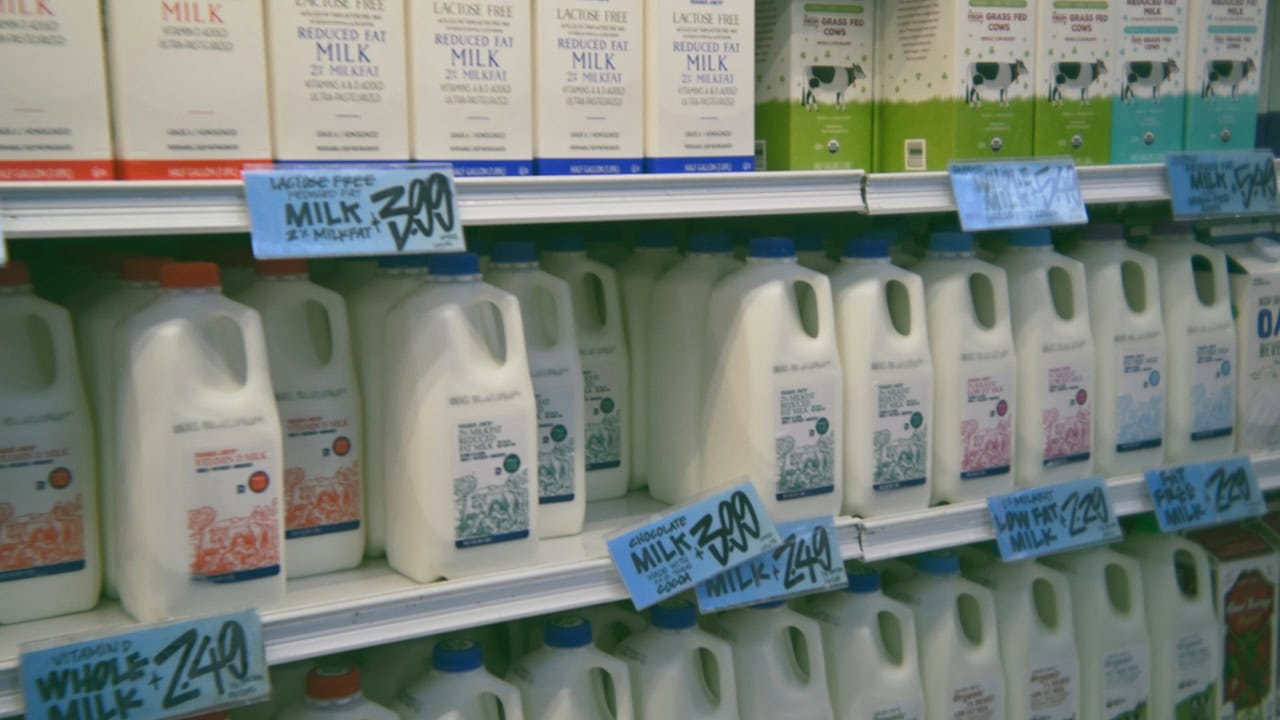
You’ve seen the $3.99 price tags—those aren’t accidental. Ending prices in .99 or .98 makes them feel cheaper than they really are, even though the savings is literally just a penny.
It’s called psychological pricing, and it works. Train yourself to round up when you see those tags. $3.99 is $4, and pretending it’s significantly less only helps the store, not your budget.
Placing Expensive Items at Eye Level
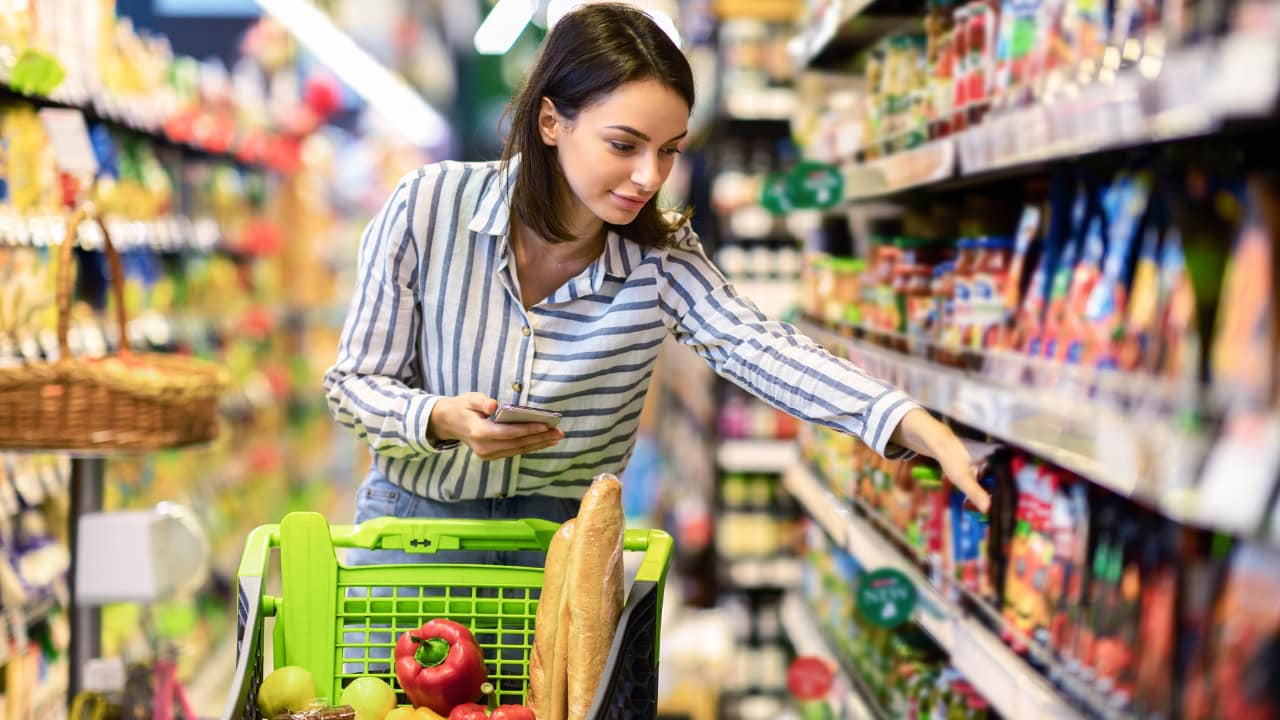
Products that cost the most—or bring in the biggest profit—are often placed right at eye level. That’s where you’re most likely to look first, so stores put the higher-margin items there to increase your chances of grabbing them.
Look up or down on the shelves to find better deals. Store brands and budget options are usually placed lower on purpose because they don’t make as much money for the store.
Using Words Like “Limit” or “Only”

Phrases like “limit 2 per customer” or “only $5” are meant to spark urgency—even when the product isn’t actually a deal. These tactics tap into scarcity mindset and make you feel like you need to act fast.
Before you grab it, ask yourself if you would’ve even considered buying it without the sign. If the answer is no, it’s probably not worth the space in your cart or the hit to your grocery bill.
Sampling Stations That Spark Cravings
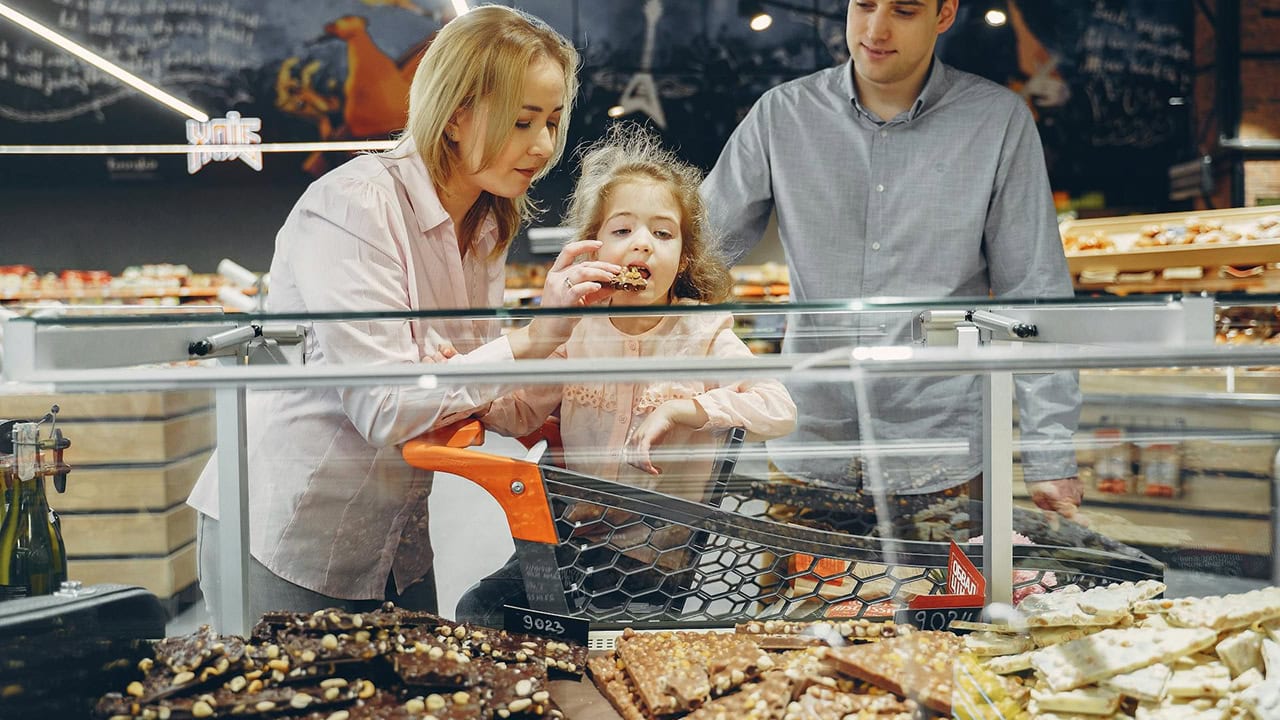
Free samples aren’t just a kind gesture—they’re a sales tactic. If you try something and like it, you’re way more likely to toss it in your cart, even if it wasn’t on your list or your budget.
It’s not a bad thing if it’s something you genuinely want, but it adds up fast. If you’re trying to avoid overspending, skip the samples or walk past with your list in hand and your plan already in place.
*This article was developed with AI-powered tools and has been carefully reviewed by our editors.
Leave a Reply