
If you’ve watched your receipt creep up over the past couple of years, you already know: grocery prices never seem to go down as fast as they go up. Around the holidays and into winter, certain everyday staples tend to jump first, long before fancy items do.
You don’t have to build a bunker. But stocking up a little sooner on basics you already use can protect your budget when shelves get crowded and prices inch higher.
Why stocking staples beats chasing every sale
It’s tempting to swipe through digital coupons and chase the big, flashy BOGO offers. The problem is, a lot of those deals are on items you don’t buy regularly. You save 50%… on something you didn’t need in the first place.
Staples are different. These are the quiet background ingredients that show up in nearly every week of your life: rice, beans, pasta, butter, flour, broth. When those go up, you feel it. Grabbing extras when prices are reasonable means you’re not as exposed to those jumps later, especially when everyone’s baking and cooking more.
The baking basics that suddenly cost more
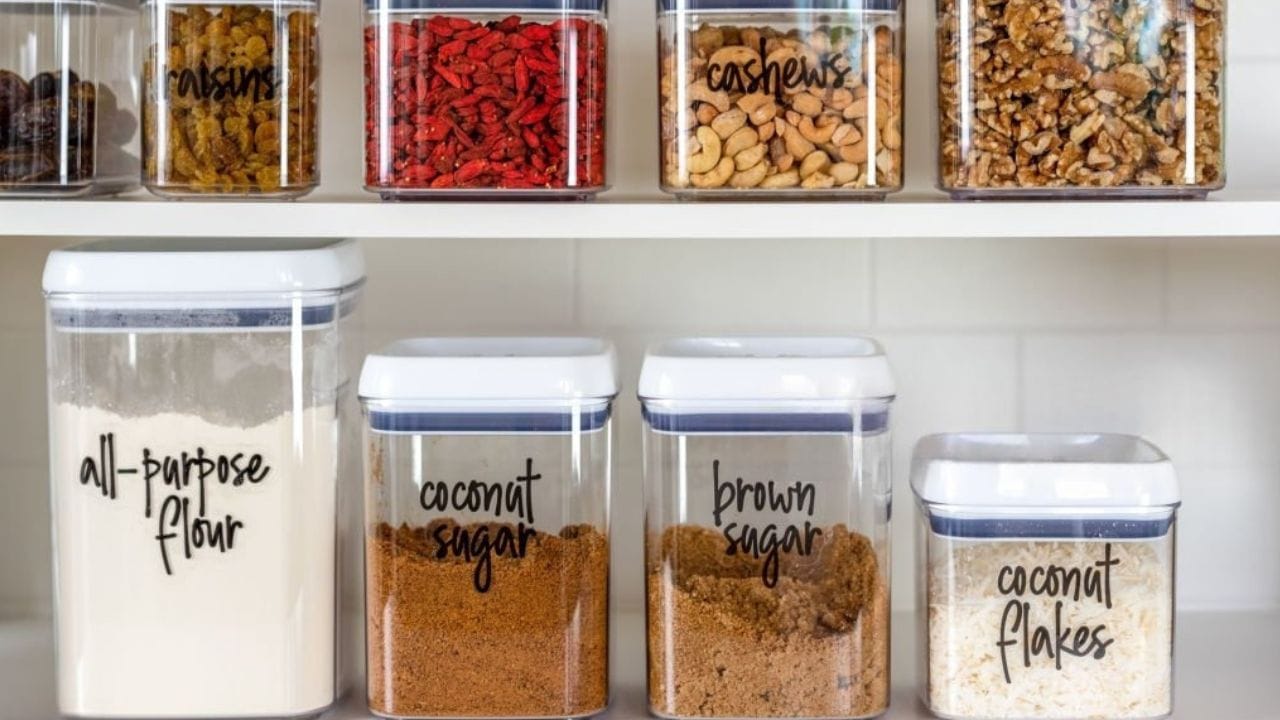
Sugar, flour, baking powder, cocoa, chocolate chips, vanilla—once holiday baking hits, these shelves get hit hard. Prices can bump up right before peak baking weekends, and the brand you like might be sold out when you actually need it.
If you bake even a little, it helps to:
- Check your pantry now for what’s half-empty.
- Buy one or two extra bags of the basics you use all the time.
- Store them in airtight containers so they last.
Even if you don’t bake mountains of cookies, these same ingredients support pancakes, muffins, and simple desserts all winter, so they won’t go to waste.
Fats and dairy that stretch everything further
Butter, oil, and cheese seem boring until you’re out of them. Around heavy cooking seasons, they’re also the first to feel more expensive. Butter gets hit especially hard—everyone’s baking, and dairy prices fluctuate.
When you see a decent price on:
- Butter
- Cooking oil you actually use
- Shredded or block cheese you know your family eats
it’s worth adding an extra to the cart. Butter freezes well, cheese can be shredded and frozen for cooking, and oil (stored cool and dark) keeps for months. These are the things that turn cheap ingredients into real meals, so they’re worth protecting.
Pantry carbs that build cheap meals in minutes
Rice, pasta, and oats are some of the best shields against higher grocery bills. When you have them on hand, you can stretch small amounts of meat and vegetables into filling dinners and breakfasts.
Prices on these can creep up when demand spikes, and the store brands can sell out faster, leaving only the pricey name-brand versions. A small buffer at home—an extra bag of rice, an extra box or two of pasta, an extra container of oats—means you have options even if sales dry up for a bit.
Canned goods that turn “nothing in the house” into dinner
A lot of “we have nothing to eat” moments are really “we have no easy add-ins.” Canned tomatoes, beans, corn, and broth can turn random freezer meat and pasta into soups, chilis, and casseroles with very little effort.
Those shelves also get hit hard in winter. Stocking up looks like:
- A small row of canned diced tomatoes
- A few cans of beans your family will actually eat
- Chicken or beef broth (or bouillon) you trust the taste of
You’re not prepping for disaster. You’re saving yourself from takeout when you’re tired and the weather is bad.
Proteins that keep well and stay flexible
Fresh meat is always going to move around in price, but some cuts and types give you more wiggle room. Ground beef or turkey, chicken thighs, and bulk packs you portion and freeze yourself are often better value than “convenience” cuts.
If you see a good price, grab a pack, split it into smaller portions at home, and freeze it flat in bags. That way you’re not beholden to whatever the price happens to be the week you’re craving tacos or soup.
Freezer vegetables that save sad produce
When fresh produce prices jump or quality goes down, frozen vegetables step in. They’re picked at peak ripeness, they last, and they’re easy to toss into soups, stir-fries, casseroles, and sides.
Keeping a small stash of frozen peas, mixed veggies, broccoli, or spinach lets you skip the expensive, limp fresh options when the produce aisle looks rough. You still get color and nutrients on the plate without blowing the budget.
Coffee and tea that keep the drive-thru away
When mornings get colder and darker, drive-thru runs become more tempting. Keeping coffee and tea stocked at home is a quiet way to keep those small, expensive habits from multiplying.
If you have a specific brand or pod you love, watch for a decent price and grab an extra. Even a small buffer stops you from paying full markup at a gas station or convenience store when you suddenly run out.
How to stock up without feeling like you’re hoarding
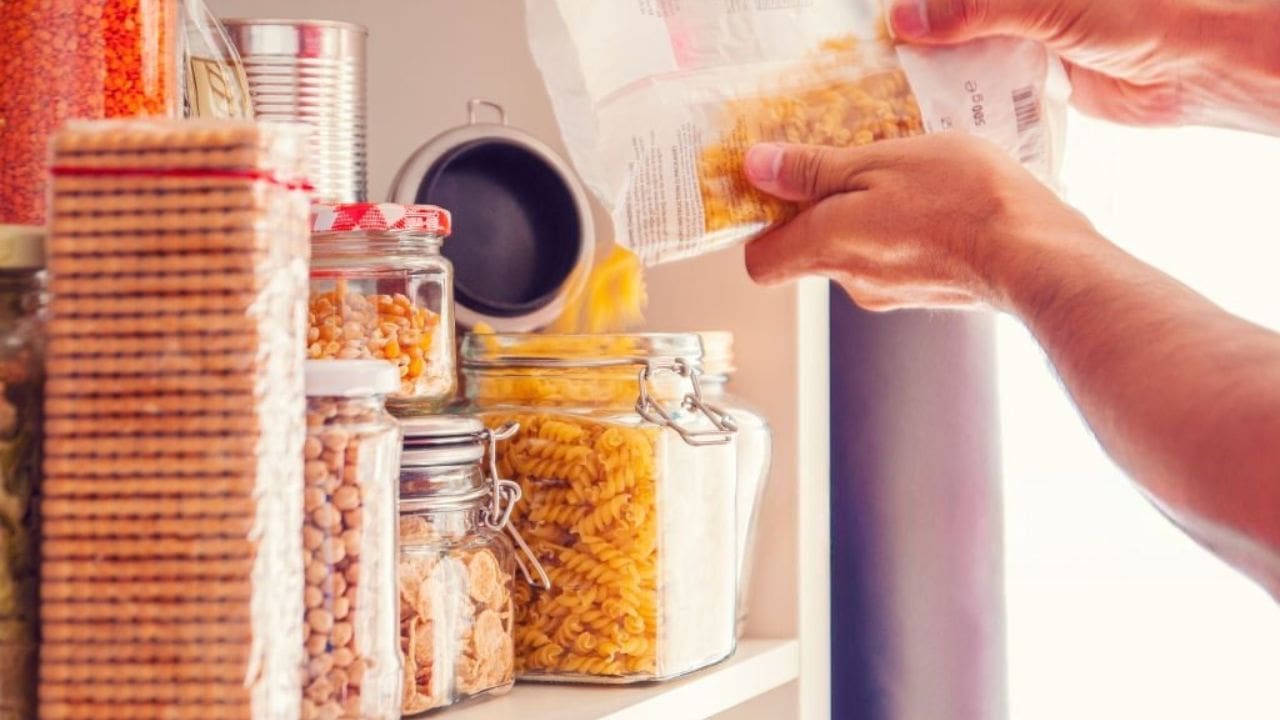
You don’t need a wall of shelves and a label maker. A simple approach works:
- Make a short list of 8–10 staples your family really uses.
- When you shop, add one extra from that list if the price feels fair.
- Store them where you can actually see them—pantry, bin, or a single shelf.
You’re not trying to beat the system. You’re just giving your future self some backup options, so when prices climb again—as they always seem to—you’re not caught completely off guard.
*This article was developed with AI-powered tools and has been carefully reviewed by our editors.
Leave a Reply