
Gas prices might fluctuate, but the habits that drain your tank stay the same. Most people waste fuel without realizing it—small things that seem harmless but add up over time.
From the way you drive to how you care for your vehicle, every habit affects your mileage. The truth is, improving fuel efficiency isn’t complicated—it’s about being a little more intentional behind the wheel and cutting out the habits that burn money mile after mile.
Idling too long

Letting your car idle while you wait might feel harmless, but it burns more gas than restarting the engine. Modern engines are efficient enough that idling beyond 30 seconds wastes fuel.
If you’re sitting in a drive-thru or waiting for someone, turn the car off. You’ll save gas, reduce engine wear, and lower your emissions in the process.
Accelerating too fast

Fast starts might feel powerful, but they’re one of the quickest ways to burn through gas. Sudden acceleration forces the engine to work harder than it needs to.
Ease into your speed and let the car build momentum gradually. You’ll save fuel and extend the life of your transmission and tires too.
Ignoring tire pressure

Underinflated tires create more rolling resistance, meaning your car has to use more power—and more gas—to move forward. Even a small drop in pressure can affect your mileage.
Check your tires monthly, especially with temperature changes. Keeping them properly inflated improves safety, handling, and fuel efficiency all at once.
Driving with extra weight

Carrying around unnecessary gear, tools, or junk in the trunk can quietly tank your gas mileage. Every 100 pounds of extra weight can lower your efficiency by up to 2%.
Clean out your trunk and back seat regularly. The lighter your load, the less fuel your engine needs to move the car.
Speeding on the highway

Once you pass about 60 mph, aerodynamic drag increases sharply, and your car burns more fuel to maintain speed. Going 75 instead of 65 might save a few minutes—but costs more every fill-up.
Cruise at a steady, moderate speed whenever possible. You’ll save gas and lower wear on your engine and tires over time.
Ignoring maintenance
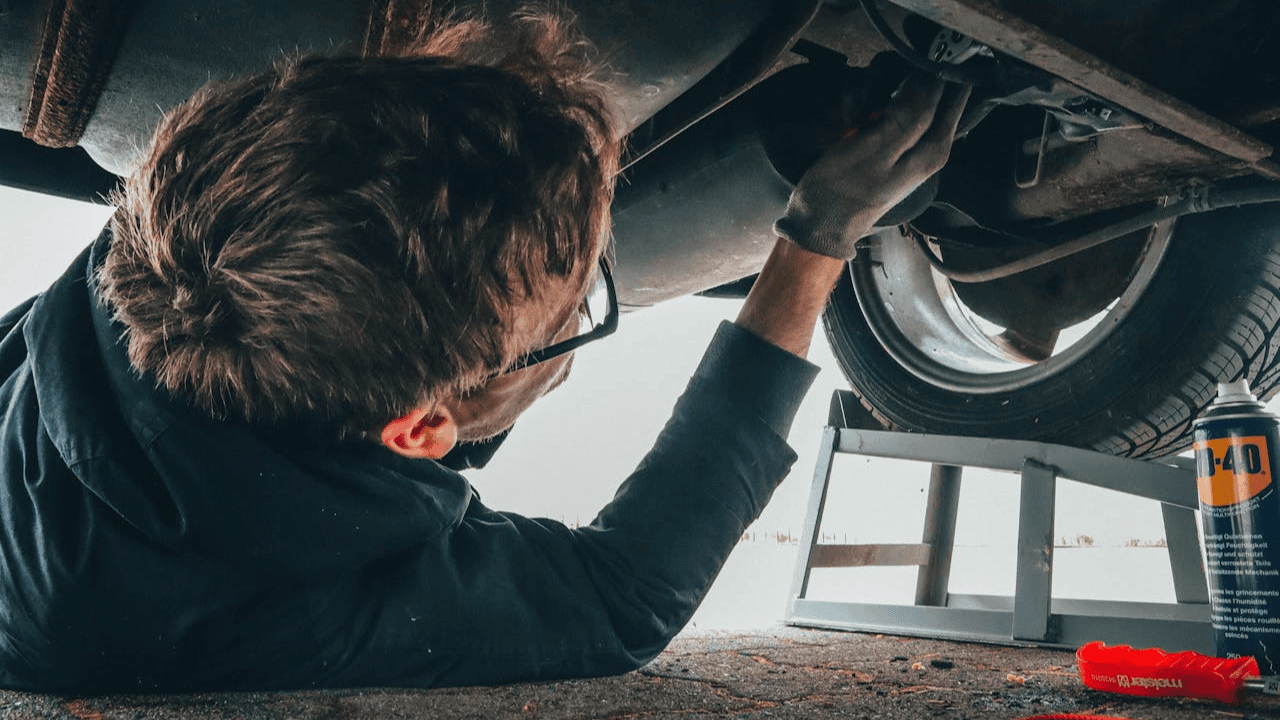
Dirty air filters, old spark plugs, and neglected oil changes all reduce engine efficiency. When your car isn’t tuned properly, it has to work harder—and burn more fuel—to perform normally.
Stick to the maintenance schedule in your owner’s manual. A tuned-up engine can improve gas mileage by up to 10%.
Using the wrong oil
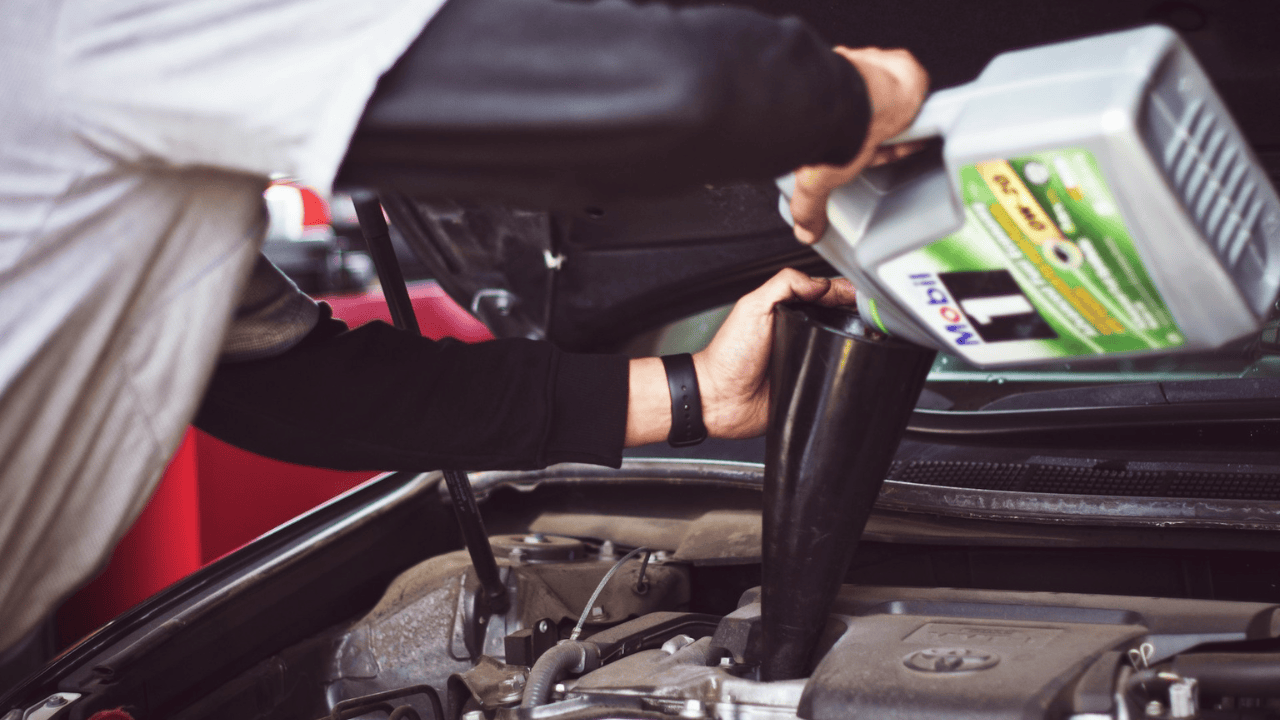
Not all motor oils are the same. Using a heavier oil than your engine requires increases friction and reduces efficiency.
Check the label for the manufacturer’s recommended viscosity. The right oil helps your engine run smoothly and burn fuel more efficiently.
Blasting the AC nonstop

Running your air conditioner full blast can reduce fuel economy by up to 20%, especially at lower speeds. It forces the engine to work harder to power the compressor.
Use the AC sparingly, especially when cruising at moderate speeds. On cooler days, roll down your windows or use the fan setting instead.
Taking short trips

Engines run less efficiently when cold. Multiple short trips prevent your engine from reaching its optimal temperature, which means you burn more fuel overall.
Combine errands into one longer trip when you can. It’s easier on your engine and your wallet.
Ignoring alignment issues

When your wheels are out of alignment, your tires drag slightly against the road instead of rolling freely. That resistance makes your engine burn more gas.
If your steering pulls to one side or your tires wear unevenly, it’s time for an alignment. It improves fuel efficiency, extends tire life, and makes your car handle better.
*This article was developed with AI-powered tools and has been carefully reviewed by our editors.
Leave a Reply