
A lot of grocery “overspending” doesn’t come from big splurges—it comes from little habits that add five or ten dollars here and there every week. Over a month or two, those patterns stack up into real money, even if you’re buying mostly normal food and cooking at home.
The good news is, you don’t have to overhaul your entire kitchen to see a difference. Fixing a few of these quiet money leaks can lower your bill without making dinner miserable.
1. Shopping without a loose plan
You don’t need a color-coded meal plan, but going in with zero idea what you’re cooking this week is a quick way to overspend. You grab random ingredients that don’t fit together, then still feel like there’s “nothing to make” by Thursday. A rough list of 4–5 dinners plus breakfast and snack basics helps you buy the right things once instead of chasing missing ingredients later.
2. Making too many small trips
Running into the store “just for milk” rarely ends with only milk. Those extra $10–$20 trips a few times a week quietly blow past your budget. Group errands when you can and aim for one main grocery trip, plus maybe a small mid-week run for produce or milk only. Even setting a cash limit for those quick stops can keep them from ballooning.
3. Letting produce die in the drawer
Good intentions get expensive fast when half the veggies go slimy by the weekend. If you’re consistently throwing out fresh produce, switch some of it to frozen or canned. Use fresh for things you know you’ll eat quickly (like salad or snacking veggies) and keep frozen broccoli, peas, and mixed veggies on hand for the rest. Wasted food is wasted money, even if it started as a “healthy choice.”
4. Buying pre-cut everything
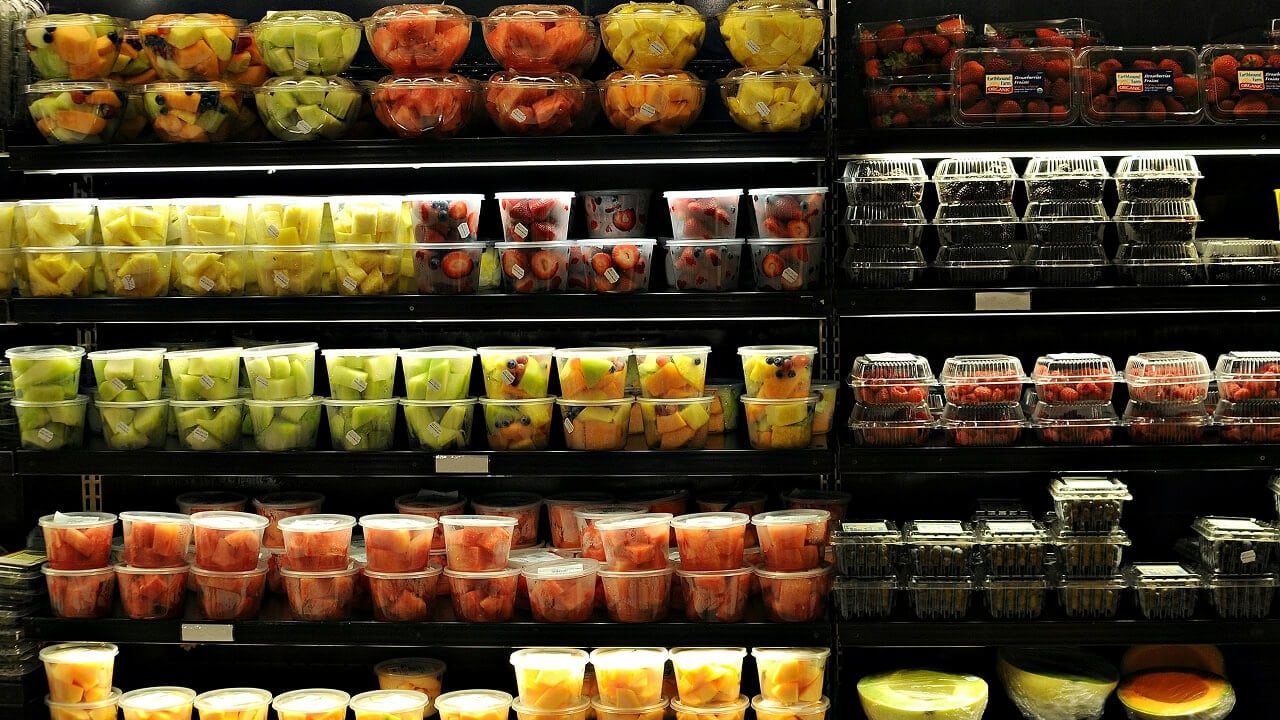
Pre-cut fruit, chopped veggies, and shredded cheese are convenient, but you pay hard for that convenience. A whole block of cheese, a bag of whole carrots, or a head of lettuce is usually significantly cheaper than the prepped version. If prep is your hang-up, try chopping what you can once or twice a week so you still get the grab-and-go feeling without the markup.
5. Ignoring what you already have
It’s easy to shop like your pantry is empty when it’s not. Before you go, take five minutes to scan your fridge, freezer, and pantry. Build a couple of meals around what’s already there—like using up that half bag of rice or the open jar of sauce. The more you work from your existing stash, the fewer new ingredients you need to buy.
6. Letting leftovers linger too long
Leftovers can either be free lunches…or mystery containers that end up in the trash. Plan how you’ll use them: tomorrow’s lunch, a “leftover night,” or turned into something else (like burrito bowls, wraps, or soup). Store them in clear containers and keep them toward the front of the fridge so you actually see them.
7. Relying heavily on single-serve snacks
Individually packaged snacks are kid-friendly and convenient, but they’re almost always more expensive per serving. Instead of only buying tiny bags, pick up bigger bags and portion them into reusable containers or baggies. You still get grab-and-go snacks, just without paying for all that extra packaging.
8. Treating drinks like groceries instead of extras

Sodas, flavored waters, bottled teas, and coffee drinks add up quickly. One or two here and there doesn’t feel like much, but a cart full of beverages can easily eat a chunk of your budget. Sticking mostly to water, making tea at home, or buying larger containers to portion yourself keeps costs lower without cutting them out completely.
9. Cooking portions that are way too big
Cooking a little extra for leftovers is useful. Cooking so much that everyone gets sick of it and the rest gets thrown out is not. If food is regularly going to waste, scale your recipes down or freeze part of the meal right away. Saving half a pan of lasagna in the freezer is better than scraping it into the trash a week later.
10. Ignoring simple, repeat meals
Sometimes we chase variety so hard that we overlook cheap, reliable meals. Having a few “boring but good” regular dinners—like beans and rice, omelets with toast, or baked potatoes with toppings—actually protects your budget. When you know you can plug those into the week, you’re less tempted to grab takeout or buy expensive ingredients every single night.
These little shifts don’t feel dramatic, but they snowball in a good way. The more you plug the quiet leaks—wasted food, extra trips, single-serve everything—the more breathing room you’ll see in your grocery budget without completely changing how your family eats.
*This article was developed with AI-powered tools and has been carefully reviewed by our editors.
Leave a Reply