Everyone’s been there—you see something you don’t need, but you’ve already built the perfect excuse in your head for why you “deserve” it. Those reasons feel logical in the moment, but later, they sound ridiculous when you realize how little you actually used the thing.
The truth is, most impulse buys come from habits, not needs. Recognizing the excuses you fall back on helps you stop wasting money and cluttering your life with stuff that doesn’t make it any better.
“It Was on Sale”
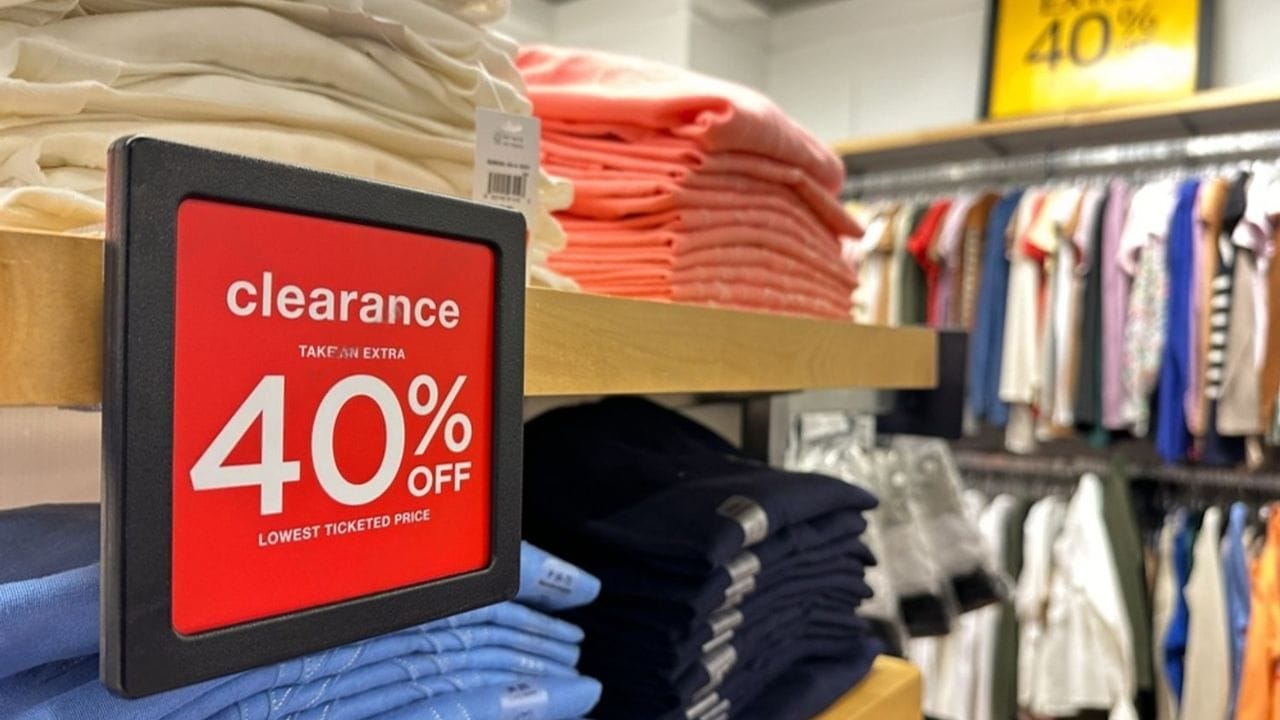
A discount doesn’t mean it’s a deal. Buying something you didn’t plan to get—no matter how cheap—still costs money.
Sales are designed to make you feel like you’re saving when you’re actually spending more. If you wouldn’t buy it at full price, it’s not a bargain.
“I Deserve a Treat”
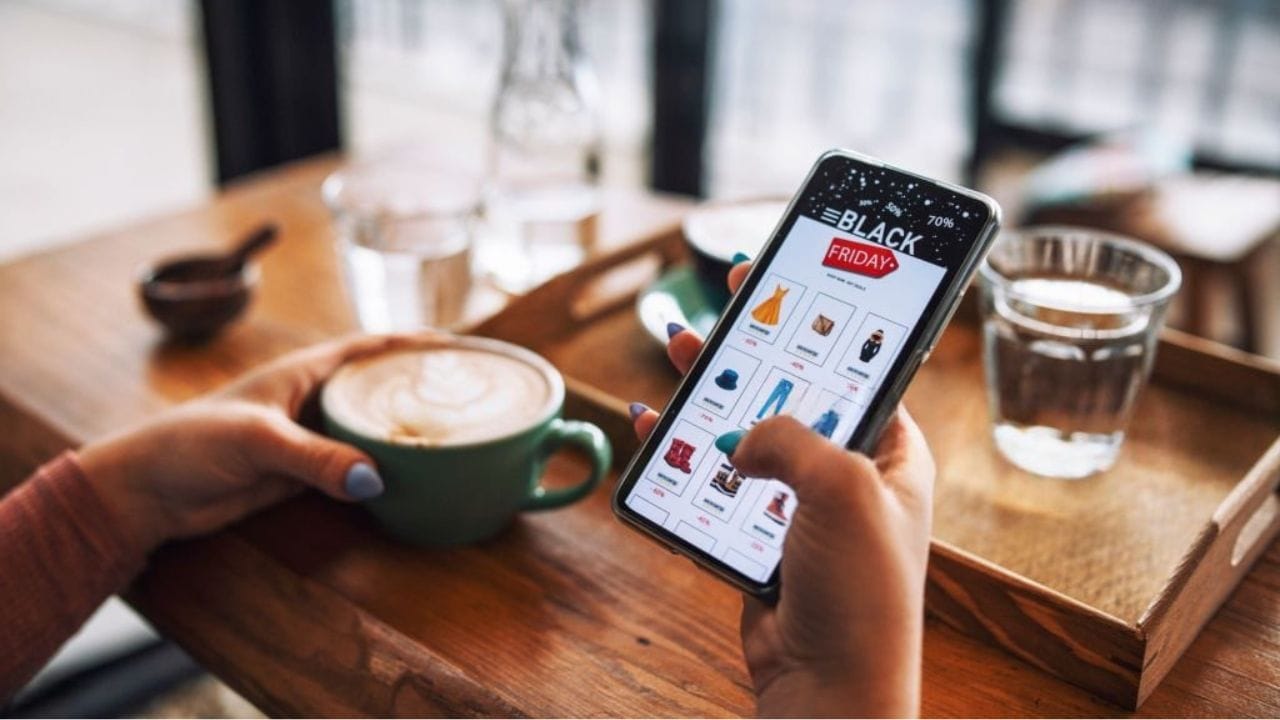
Everyone deserves rewards, but they don’t always have to come with a price tag. Using this excuse too often turns self-care into self-sabotage.
A walk, a nap, or a night off can feel better than another online purchase. Rewarding yourself doesn’t have to mean reaching for your wallet.
“It’ll Motivate Me”
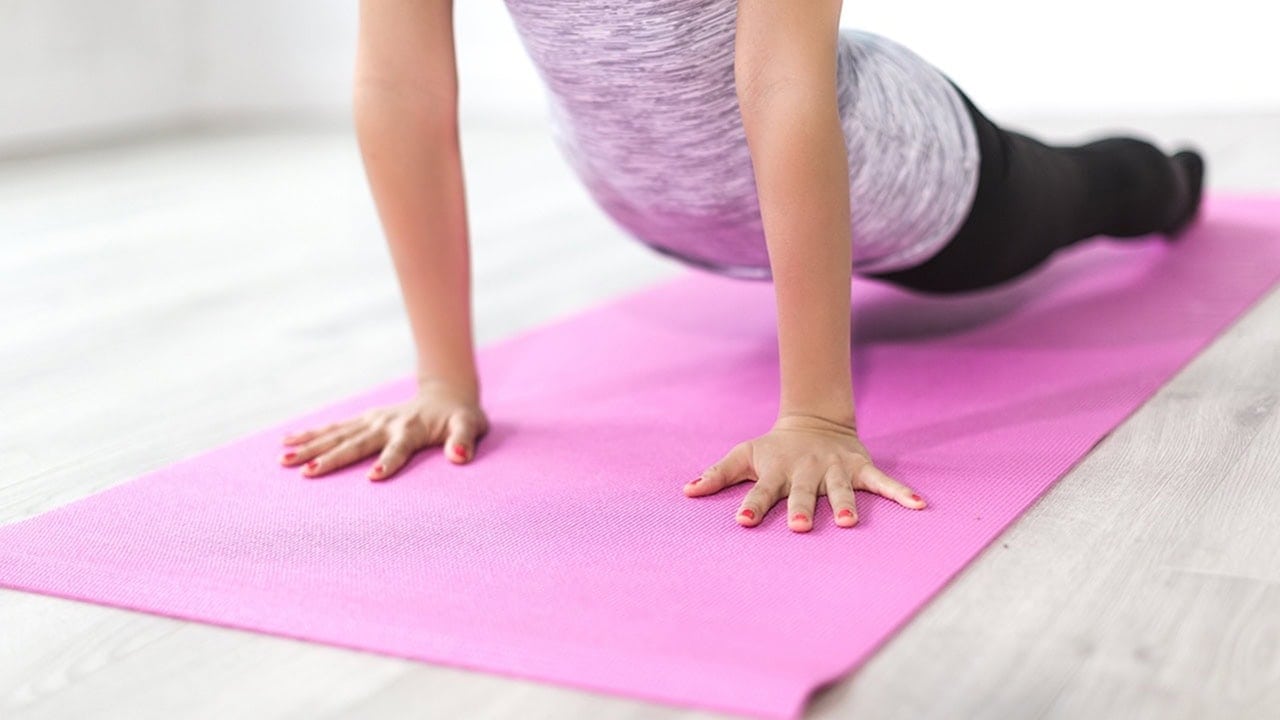
That fancy planner, expensive gym outfit, or kitchen gadget won’t create discipline. Motivation has to come before the purchase, not after it.
I’ve bought plenty of “tools for productivity” that ended up collecting dust. The real progress started when I stopped waiting for stuff to fix my habits.
“I’ll Use It Someday”
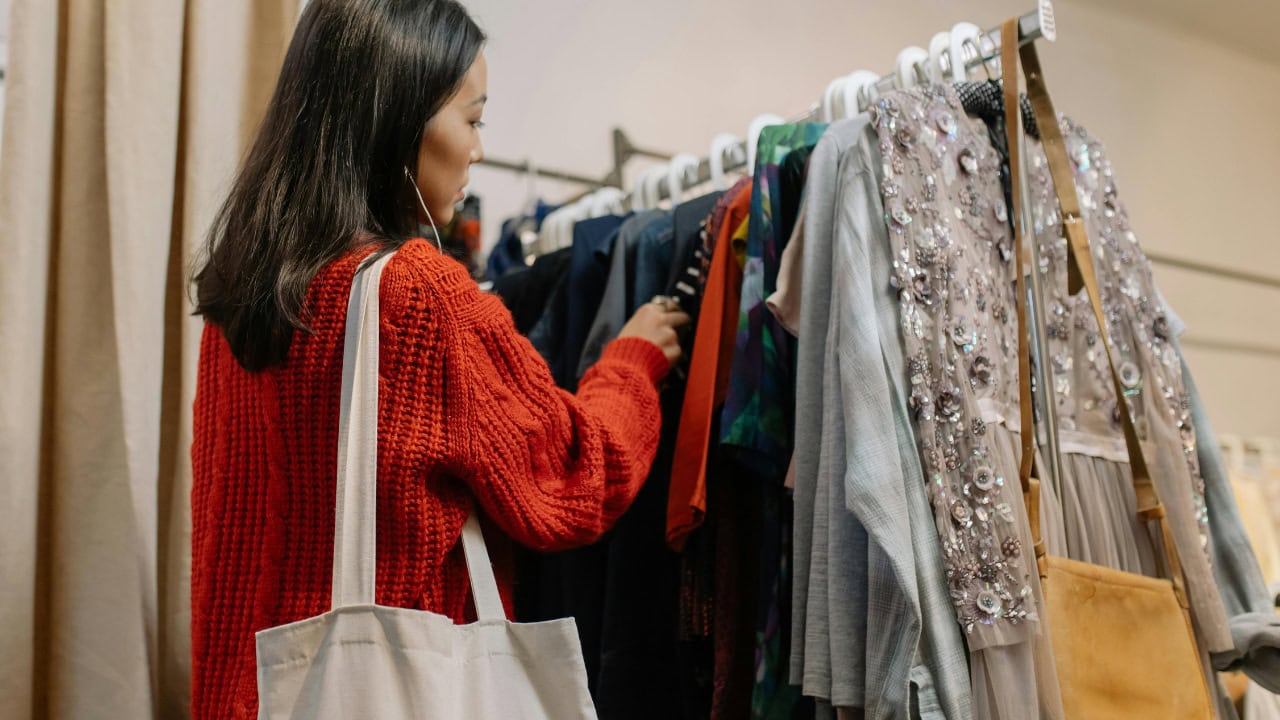
This one sounds harmless, but it’s how you end up with closets full of unopened things. If you can’t name when or how you’ll use it, you probably won’t.
Keeping your money instead gives you more freedom for things you’ll actually need later. Future-you doesn’t want more clutter—they want flexibility.
“Everyone Has One”

Comparison spending is a trap. You see someone with something new and assume you need it to keep up, but you don’t see the debt or regret behind their purchase.
Most of the time, the novelty wears off for them too. Buy things because they serve you, not because they’re trendy.
“It’ll Make My Life Easier”
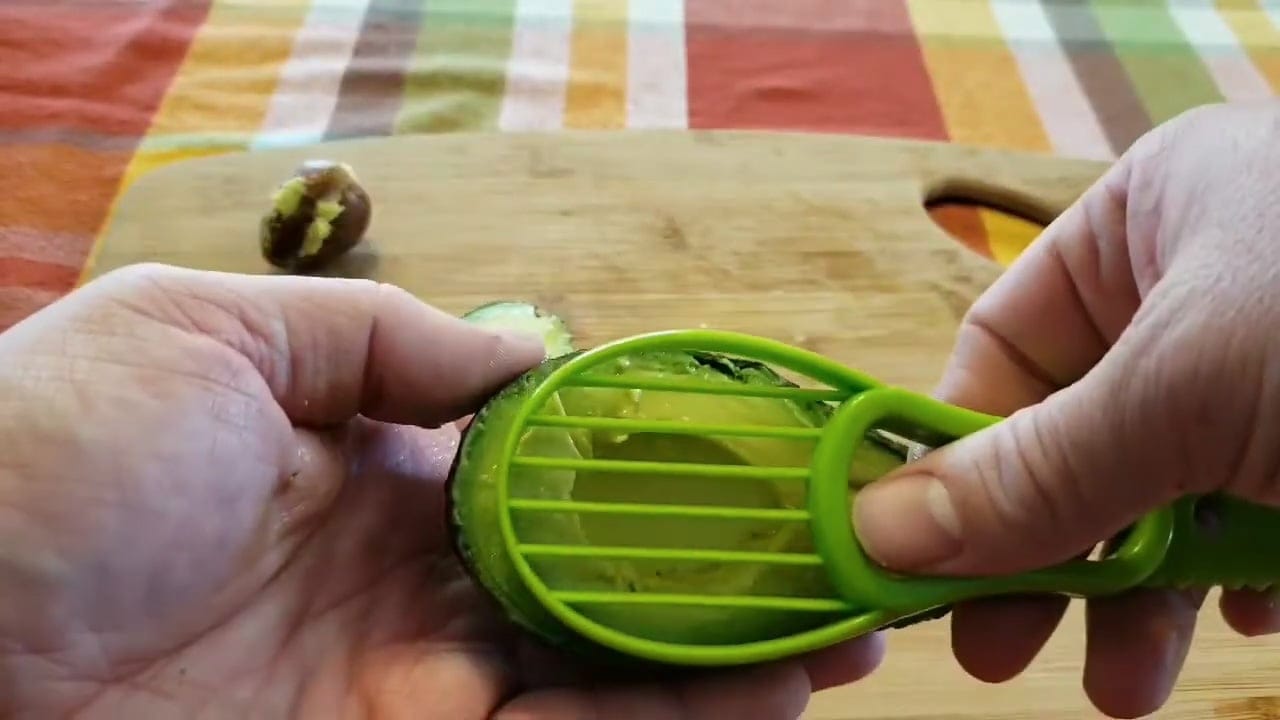
Convenience items are appealing, but they often add more clutter than help. That gadget promising to “save time” might take longer to clean than to use.
Before buying, ask yourself if it actually replaces something—or if it’s just another thing to store. Real convenience comes from owning less, not more.
“It’s Only a Few Bucks”

Small purchases don’t feel like much until they add up. Coffee runs, impulse snacks, and random checkout items quietly drain your budget.
Tracking those “little” buys for a week will show you how fast they pile up. A few bucks saved repeatedly makes a real difference.
“I Might Regret Not Buying It”

FOMO spending convinces you that missing out equals loss. In reality, most things you skip buying will never cross your mind again.
When you hesitate, that’s usually your gut saying you don’t need it. The best feeling comes from walking away and realizing you didn’t miss a thing.
“It’s for the House”

Home purchases feel practical, but buying decor or gadgets that don’t serve a purpose is still wasteful. Your home doesn’t need to look like a catalog.
If it’s not solving a real problem, it’s taking up space. Spend money on maintenance and comfort before you spend on aesthetics.
“It’ll Pay for Itself”

That phrase has justified more pointless spending than any other. Whether it’s a tool, subscription, or machine, most things don’t earn back what you spent.
Before buying, do the math. If it doesn’t actually save you money in a few months, it’s not an investment—it’s an expense.
*This article was developed with AI-powered tools and has been carefully reviewed by our editors.
Leave a Reply