
10 energy habits that cut $60 off my electric bill
When you’re looking for extra room in your budget, energy costs are one of the first places to check. Electric bills creep up when habits go unchecked, but a few consistent changes can add up to real savings.
The best part is, most of these shifts don’t take major effort—they’re small adjustments that chip away at wasted energy. Here are the habits that helped me lower my bill by about $60 without feeling like I was sacrificing comfort.
Turning off lights when I leave a room
It sounds basic, but leaving lights on adds up fast. One 60-watt bulb left on for eight hours can cost a few dollars over the course of a month. Multiply that by several rooms, and you’re paying for light you’re not even using.
Making a habit of switching lights off when you walk out of a room makes an immediate difference. If you want to go further, swapping to LED bulbs cuts costs even more since they use a fraction of the electricity.
Unplugging electronics I’m not using
Many devices keep pulling small amounts of power even when they’re turned off. Chargers, gaming consoles, and microwaves are common culprits. It’s called “phantom energy,” and while each item might only add a little, the total adds up on your bill.
I started unplugging things I don’t use daily or grouping them on power strips so I can shut them off all at once. That small habit shaved noticeable dollars off my monthly total.
Running full loads of laundry and dishes
Every time you run a dishwasher or washing machine half full, you’re doubling the energy cost of what could have been one load. Over time, that’s a big waste of both power and water.
By waiting until I had full loads, I cut the number of times I ran these machines each week. That means less energy spent on heating water and running cycles, which made a direct difference in my bill.
Using cold water for most laundry
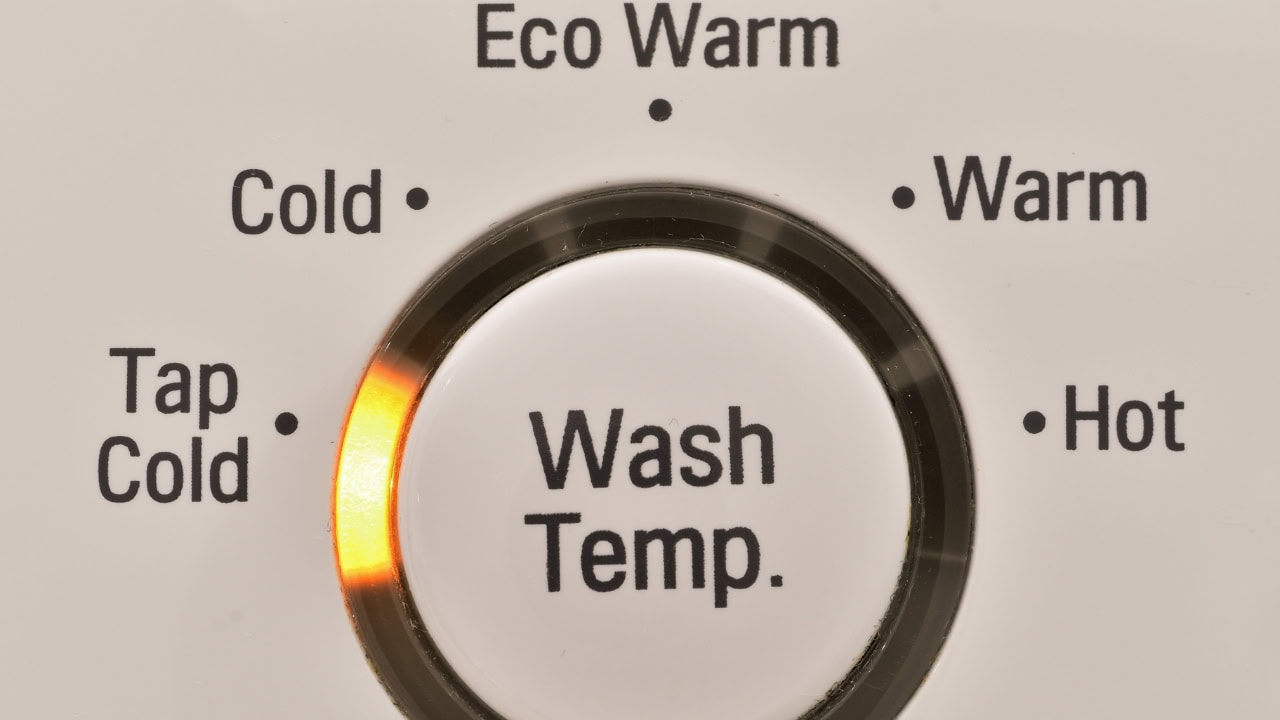
Heating water takes a surprising amount of energy. Unless clothes are heavily soiled, most loads get just as clean in cold water. I switched to cold for nearly all laundry except towels and bedding.
The change didn’t just save on electricity—it also helps clothes last longer since cold water is gentler on fabrics. With dozens of loads a month, the energy savings stacked up quickly.
Line drying when possible

Dryers are one of the biggest energy users in a home. Hanging clothes, even if it’s only a portion of what you wash, cuts down significantly on electricity.
I started line drying smaller loads and air-drying items like workout clothes, which dry quickly anyway. The dryer now runs less often, and that alone brought my bill down by several dollars a month.
Adjusting the thermostat a couple degrees
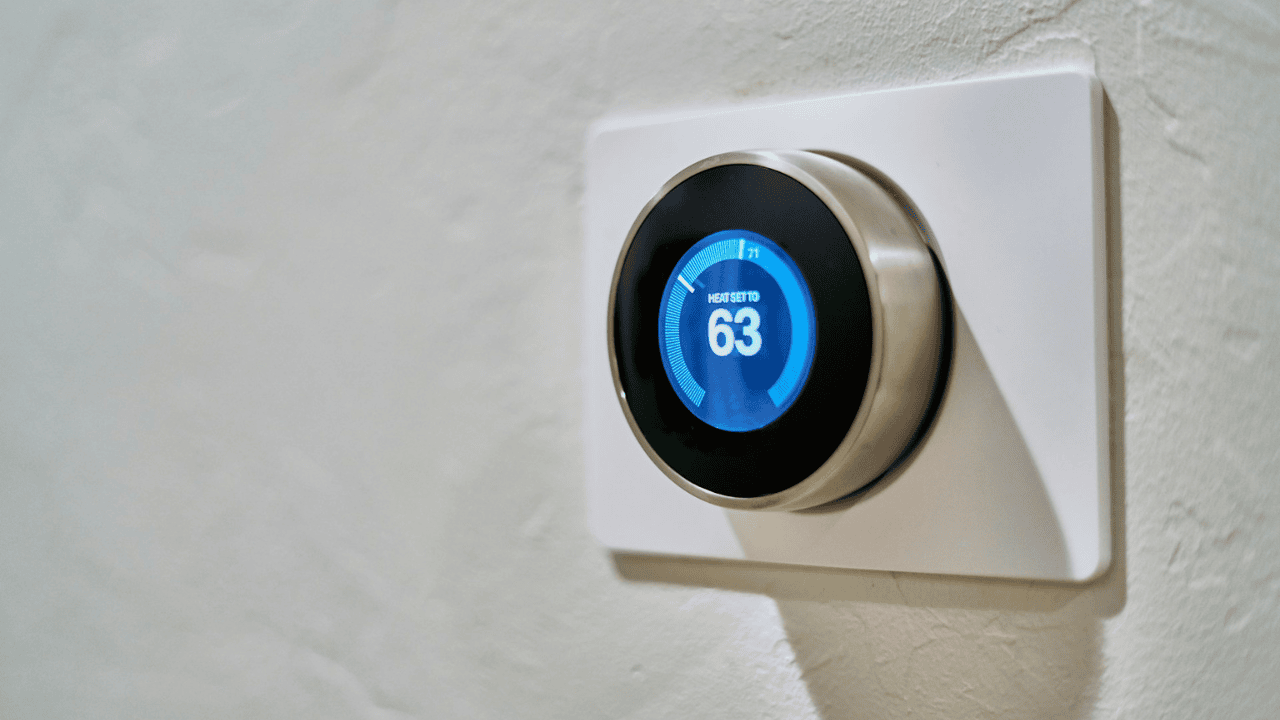
Heating and cooling take up the largest share of most electric bills. Changing the thermostat by just two or three degrees makes a measurable impact without making your home uncomfortable.
In summer, I bumped the AC up a little and used ceiling fans to stay cool. In winter, I kept it a bit lower and leaned on blankets. Those small shifts added up to steady monthly savings.
Turning off fans when no one’s in the room

Ceiling fans make you feel cooler, but they don’t actually lower the room temperature. Leaving them on when you’re not there is wasted energy.
I got into the habit of turning fans off as I left a room. It doesn’t sound like much, but running multiple fans all day can raise your bill. Using them only when needed kept more money in my pocket.
Sealing drafts and air leaks
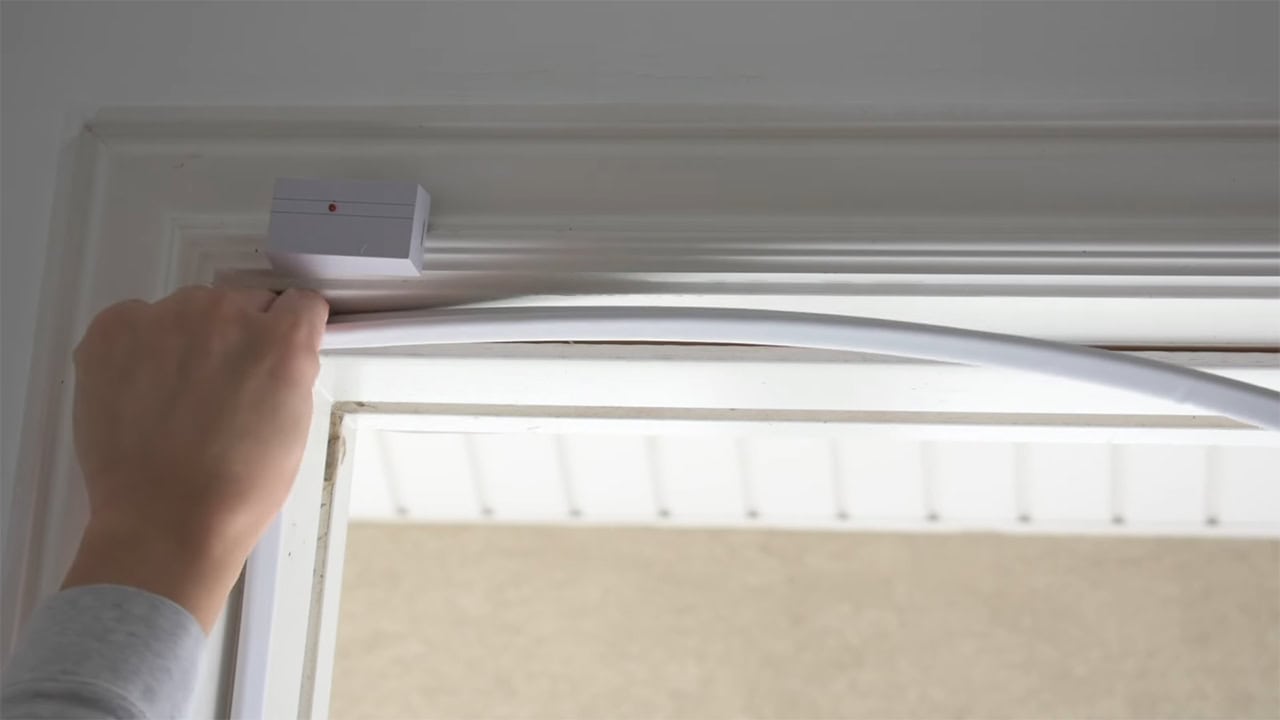
Air leaks make your heating and cooling system work harder than necessary. I noticed gaps near doors and windows, so I added weather stripping and used draft stoppers.
This small step kept the indoor temperature more stable, meaning the AC and heater didn’t kick on as often. Sealing leaks is a one-time effort that keeps paying off month after month.
Switching to energy-efficient bulbs
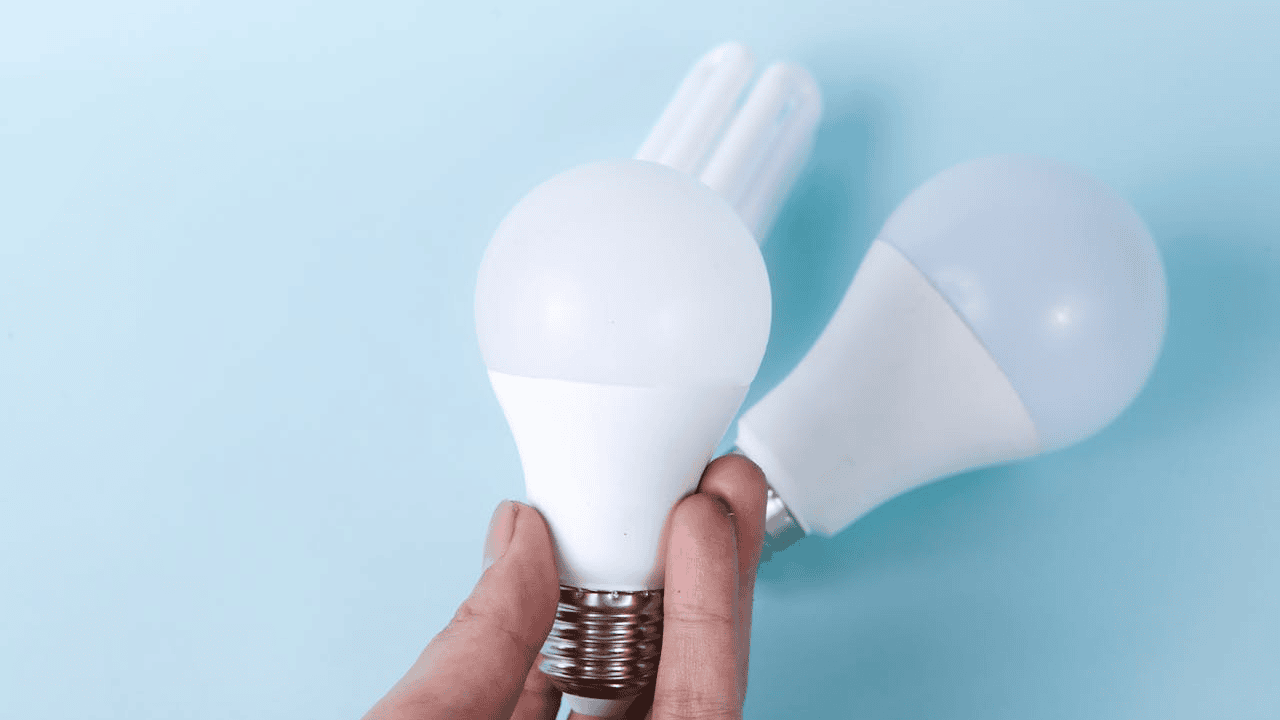
I swapped old incandescent bulbs for LEDs, and the difference in energy use was huge. LED bulbs use up to 80% less electricity, and they last for years.
The upfront cost is higher, but they quickly pay for themselves in energy savings. I noticed a drop in my bill within the first month after replacing the bulbs in the rooms we use most.
Using appliances during off-peak hours

Some power companies charge less for electricity during certain times of day, often late evening or early morning. I started running the dishwasher and laundry during these hours.
Even without time-based rates, using appliances at night keeps the house cooler during the day in summer, lowering AC use. It’s a simple change that made a clear difference in my bill.
*This article was developed with AI-powered tools and has been carefully reviewed by our editors.
Leave a Reply