
10 daily habits that make life harder than it needs to be

Most people don’t realize how many of their daily habits create unnecessary stress. They seem harmless—maybe even productive—but over time, they make everything take longer and feel heavier. When your routines are built on autopilot, it’s easy to confuse “busy” with “effective.” The truth is, a few small shifts can make life smoother, calmer, and more manageable without adding anything new to your plate.
Here are the everyday habits that quietly make life harder and what happens when you finally let them go.
Hitting snooze every morning

It feels harmless to grab a few extra minutes, but hitting snooze actually makes you more tired. Those short bursts of sleep aren’t restorative, and they confuse your body’s natural rhythm.
Getting up the first time your alarm goes off helps your brain fully wake up. You’ll feel more alert sooner, and your mornings will start on a calmer note instead of rushed and groggy.
Skipping breakfast

Running out the door without eating might save a few minutes, but it usually backfires. You end up irritable, foggy, and reaching for snacks or caffeine later to compensate.
Even something small—like eggs, fruit, or oatmeal—helps stabilize your energy. Starting your day fueled keeps your focus steady and makes you less likely to crash halfway through.
Checking your phone right away

Scrolling through messages or news the second you wake up puts you in reaction mode before your day even starts. It floods your brain with other people’s priorities.
Waiting even 20 minutes before checking your phone helps you start the day with more clarity. You’ll feel more grounded and focused instead of mentally racing before your feet hit the floor.
Leaving dishes “for later”
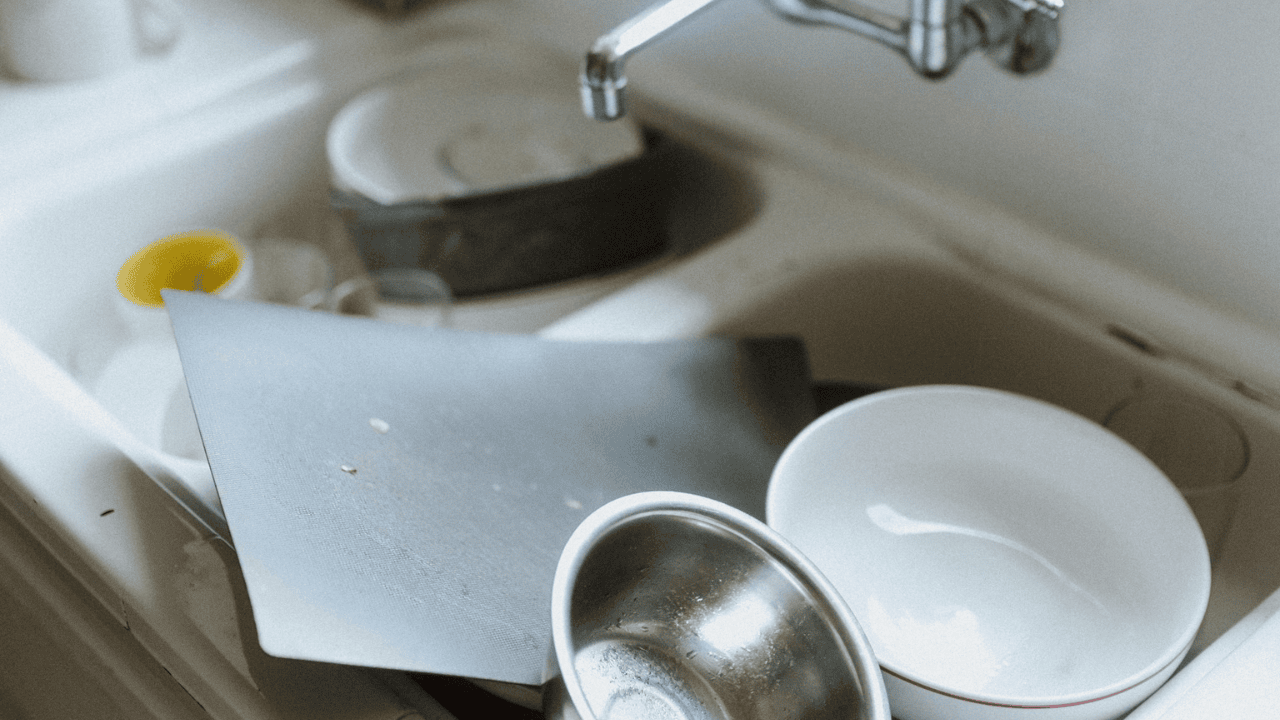
Letting dishes pile up feels like buying time, but it actually adds stress every time you see them. Before long, you’re stuck cleaning a mountain instead of a few plates.
Tackling small messes as they happen keeps your home running smoother. It takes less time overall and helps your space feel lighter and easier to manage.
Overcommitting your schedule

Packing your calendar with errands, plans, and projects might feel productive, but it leaves no room to breathe. You end up tired, distracted, and always behind.
Leaving white space in your day isn’t lazy—it’s necessary. You’ll handle surprises better, think clearer, and actually enjoy what you do instead of sprinting through everything.
Ignoring bedtime

Scrolling, watching one more episode, or finishing one more chore all cut into the sleep you actually need. Before you know it, you’re starting every day at a disadvantage.
Creating a real bedtime routine makes mornings easier without any extra effort. Going to bed at a consistent time gives you more energy, better focus, and fewer “I can’t wake up” mornings.
Saying yes out of guilt

Agreeing to things you don’t want to do creates stress that lingers long after the event is over. It clogs up your time and leaves you feeling resentful.
Saying no doesn’t make you rude—it makes you realistic. Protecting your time gives you space for what truly matters, which makes everything else in your life run more smoothly.
Starting too many tasks at once
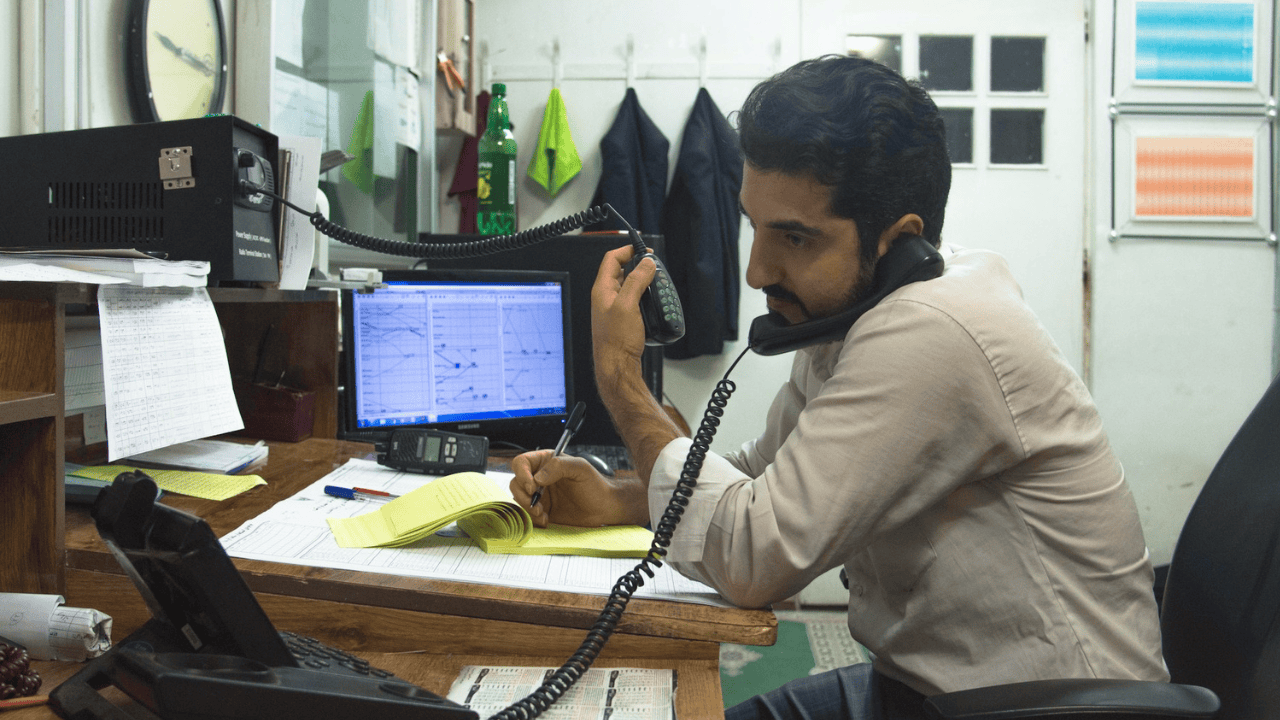
Multitasking feels efficient, but it actually slows you down. Your brain wastes energy switching between things, and nothing gets your full attention.
Focusing on one task until it’s done keeps you calmer and more productive. It’s easier to stay organized, and you’ll make fewer mistakes that need fixing later.
Avoiding hard conversations

Putting off tough talks feels easier in the moment, but the stress lingers until you face it. The problem usually grows while you wait.
Being direct saves time and mental energy. Whether it’s a work issue or something personal, addressing it early keeps it smaller and less emotionally draining.
Forgetting to rest

Most people wait until they’re burned out to take a break. Pushing through exhaustion makes even small tasks feel impossible.
Rest isn’t a reward—it’s maintenance. Taking time to recharge during the day, even for ten minutes, keeps your energy balanced so everything else feels less like a battle.
*This article was developed with AI-powered tools and has been carefully reviewed by our editors.
Leave a Reply