
Laundry doesn’t seem like a big expense, but the costs sneak up fast — detergent, softeners, dryer sheets, hot water, and energy all add up over time. The good news is, most of those costs can be cut without changing much about how you wash.
Small swaps in what you use or how you run loads can save real money month after month. These are the changes that actually work — no gimmicks, just smart, proven ways to spend less and make your laundry routine run smoother.
Swap liquid detergent for powder
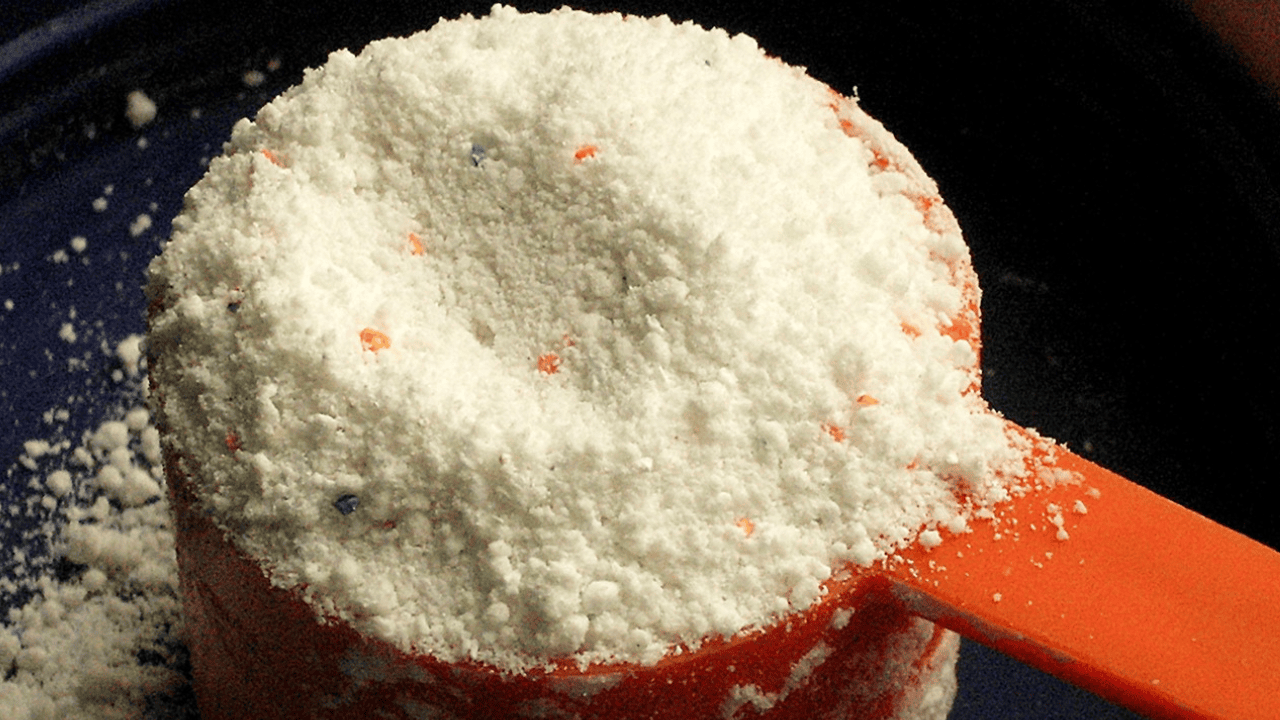
Liquid detergent is mostly water, which means you’re paying for extra weight and packaging. Powder detergents tend to be cheaper per load and clean just as well, especially in warm or hot water.
They also last longer because it’s easier to measure accurately — most people pour too much liquid without realizing it. Using powder keeps your machine cleaner too, since it doesn’t leave behind as much residue.
Use cold water for most loads
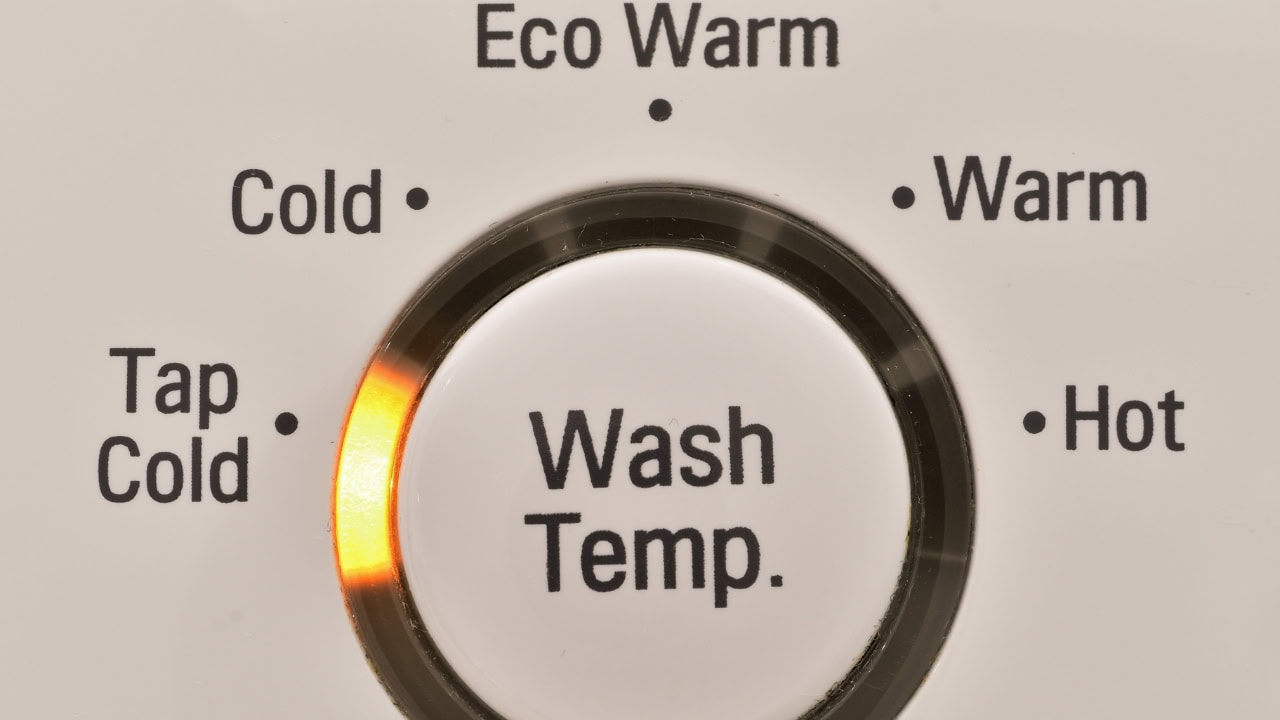
Heating water is one of the biggest energy costs in laundry. Switching to cold water can cut your energy use by half without sacrificing cleanliness. Most modern detergents are made to work in cold cycles anyway.
Cold water also helps clothes last longer since it’s gentler on fibers and colors. You’ll save on both your energy bill and replacement clothes over time.
Skip fabric softener
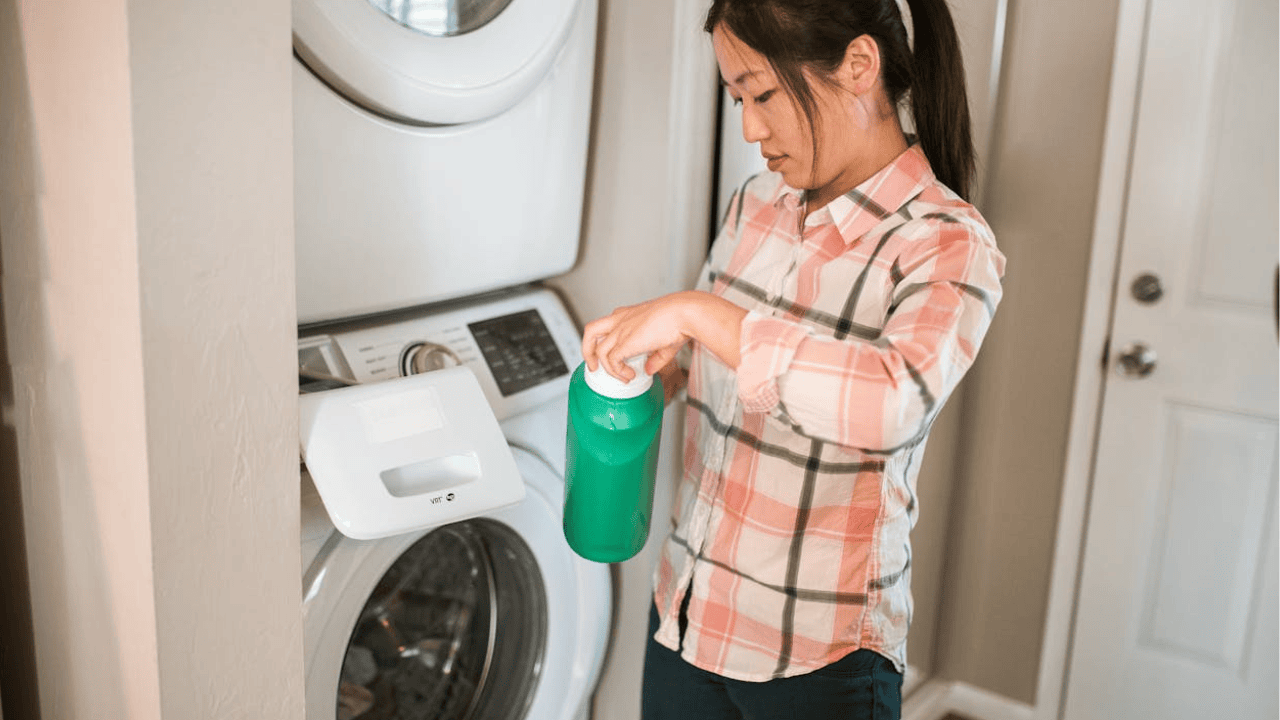
Fabric softeners coat your clothes with residue that makes them feel smooth temporarily but breaks down fabric over time. They also clog up your washing machine and reduce absorbency in towels.
A splash of white vinegar in the rinse cycle does the same job for a fraction of the price. It softens fabric naturally, removes odor, and keeps your washer cleaner.
Replace dryer sheets with wool balls

Dryer sheets cost more than you think over time — and they leave chemical residue that can dull fabrics and clog lint filters. Wool dryer balls are a one-time purchase that can last for years.
They help clothes dry faster by improving air circulation and reducing static naturally. You can even add a drop of essential oil to them if you want a fresh scent.
Use half the detergent you think you need
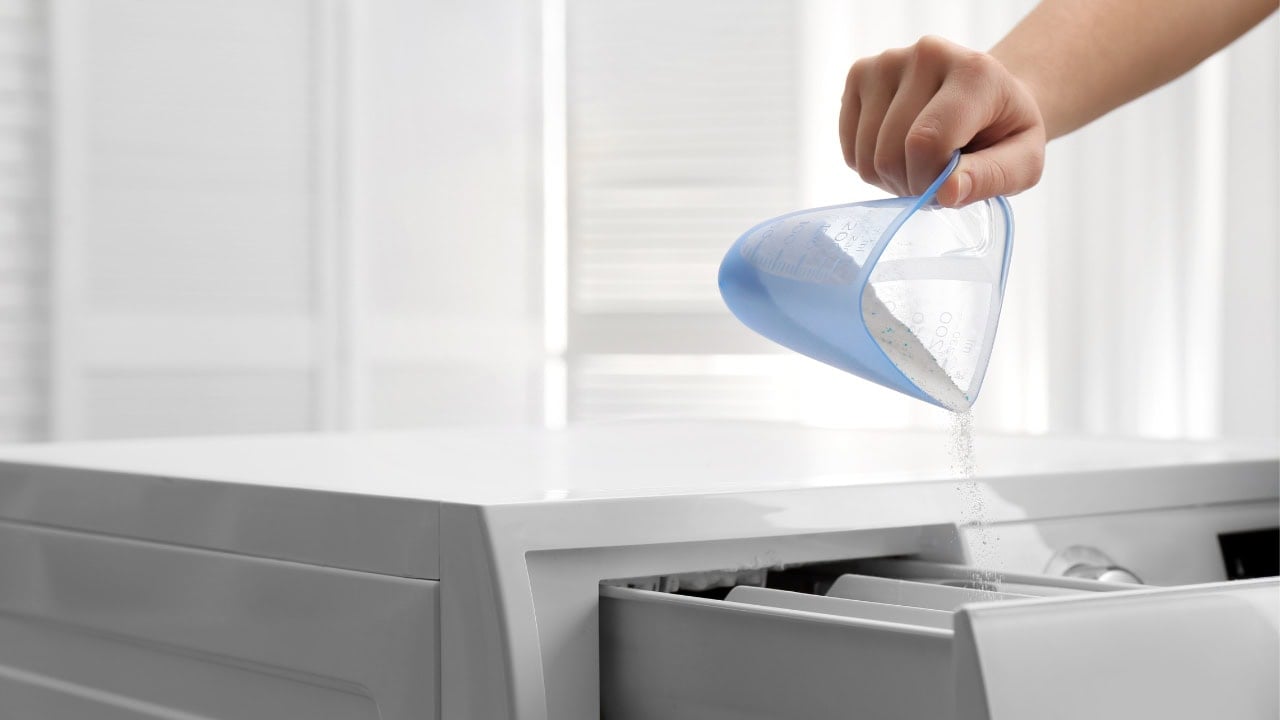
Most people use way too much detergent, which wastes money and makes clothes feel stiff from buildup. Modern washers don’t need much soap to clean effectively, especially high-efficiency ones.
Start with half the recommended amount and adjust if needed. You’ll still get clean laundry, but you’ll stretch each bottle or box twice as far.
Skip the hot cycle on the dryer
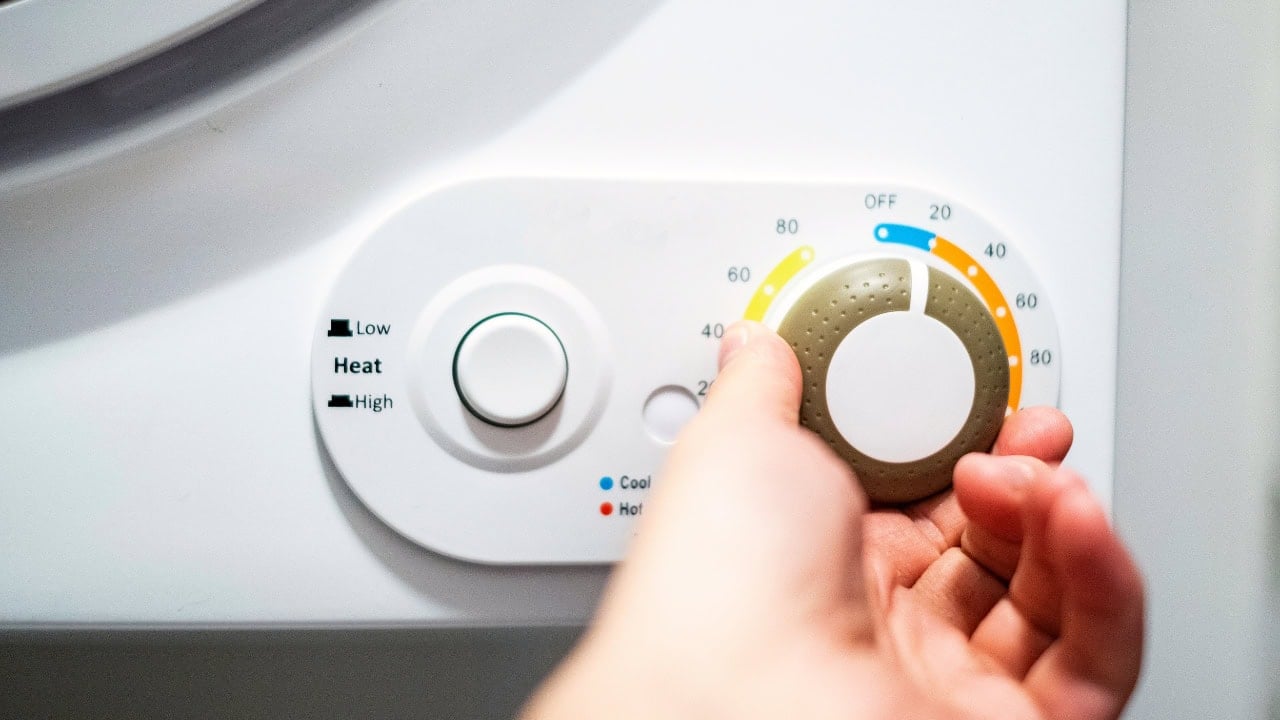
High heat wears out fabric, shrinks clothes, and uses far more energy than medium or low settings. Unless you’re drying towels or heavy bedding, you don’t need it.
Using lower heat takes a bit longer but protects your clothes and lowers your electric bill. It also reduces static and makes your fabrics last longer before thinning out.
Line-dry when you can

Air drying may sound old-fashioned, but it can save you hundreds each year. Clotheslines or indoor drying racks cost next to nothing, and your clothes stay in better shape since they’re not tumbling in heat.
Even drying partway in the dryer and finishing on a rack cuts energy use dramatically. It’s an easy swap that pays off quickly.
Make your own stain remover
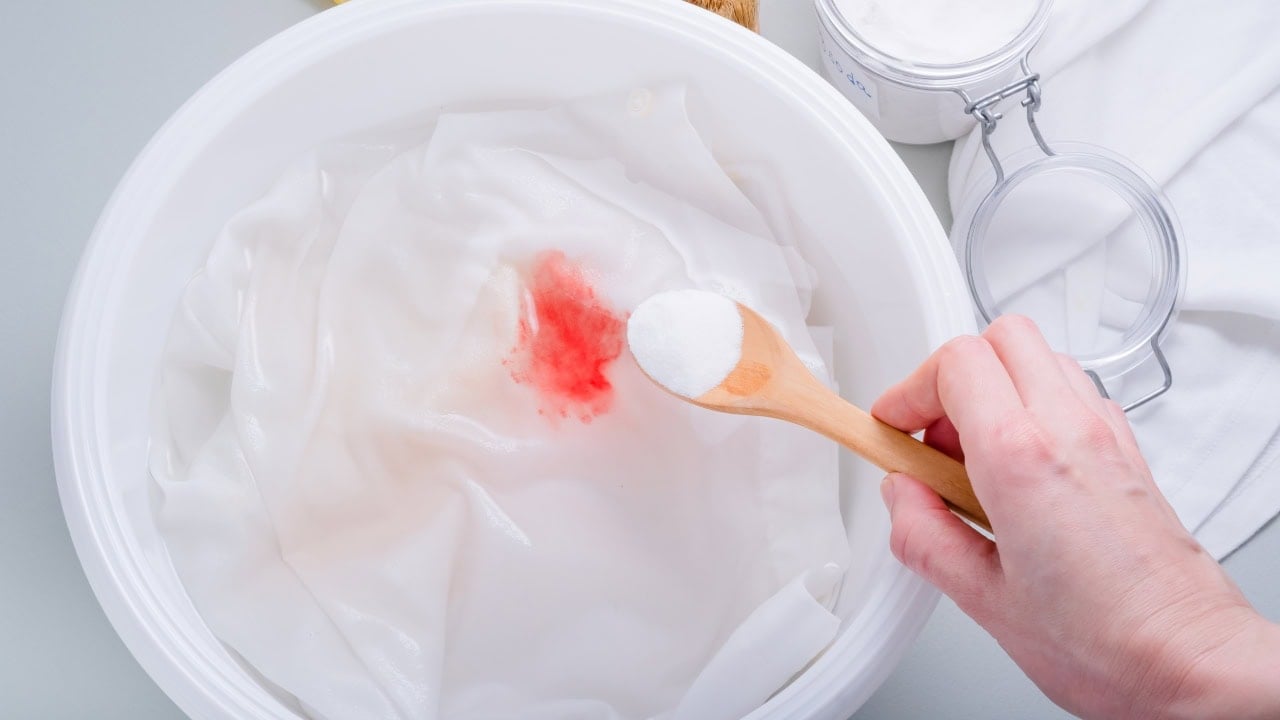
Store-bought stain removers can cost $5 to $10 a bottle, but most stains come out fine with a mix of dish soap, baking soda, and hydrogen peroxide. It’s cheap, effective, and safe for most fabrics.
Mix small batches so it stays fresh, and apply it as soon as possible for the best results. You’ll save money and still get spotless clothes.
Clean your washer regularly
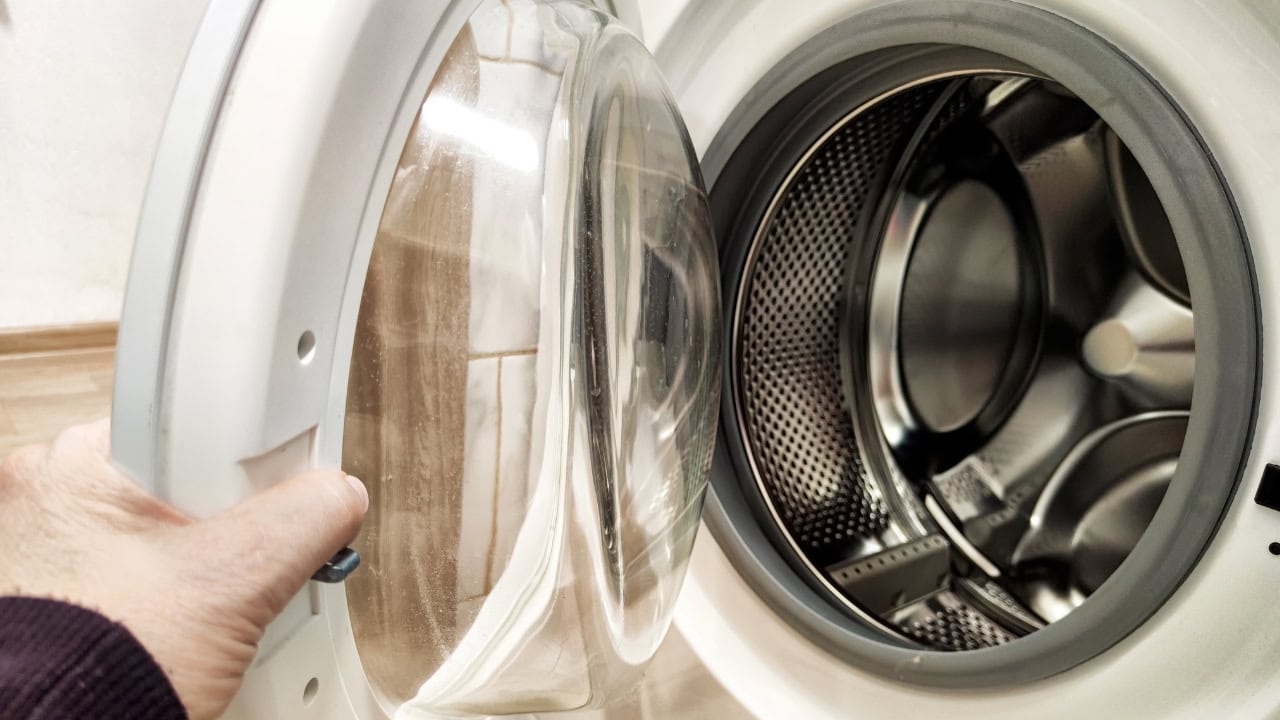
A dirty washer runs less efficiently and needs more detergent to get clothes clean. Running an empty cycle with hot water, vinegar, and baking soda once a month keeps it working like new.
You’ll save energy, extend your machine’s life, and avoid the musty smell that can build up over time. It’s one of those small maintenance habits that pays off big.
Skip specialty detergents

You don’t need separate detergents for whites, darks, delicates, and activewear. Most are marketing tactics designed to make you buy more. A good all-purpose formula works for nearly everything.
If you want a boost, add baking soda for whites or vinegar for odor-heavy loads. Simplifying your products means less clutter and more savings — without giving up clean clothes.
*This article was developed with AI-powered tools and has been carefully reviewed by our editors.
Leave a Reply