
A lot of expensive car repairs start small—so small you probably ignored them the first few times they showed up. But letting the little things slide is how you end up at the mechanic with a bill that makes you queasy.
Most major issues build up over time from small oversights that could’ve been fixed for next to nothing early on. If you know what to look for (and stop brushing it off), you can keep your car running strong and your wallet intact.
skipping oil changes
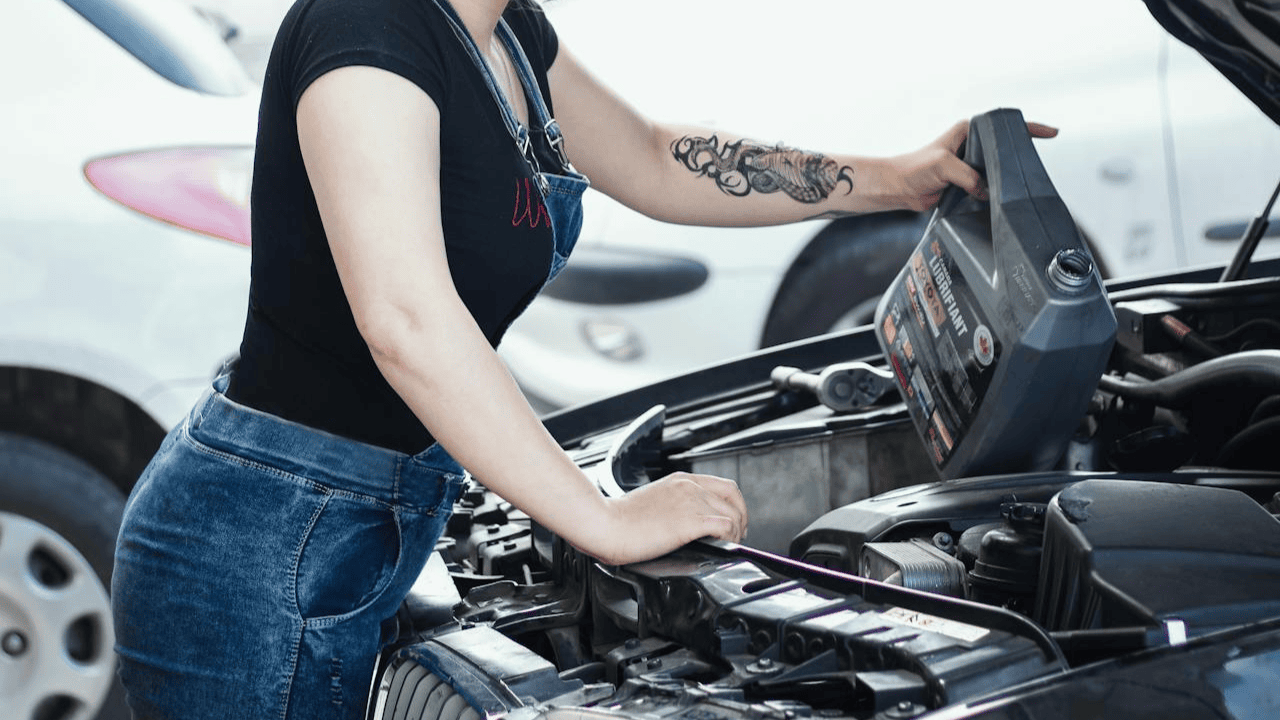
Putting off an oil change might not seem like a big deal, but it’s one of the fastest ways to wreck an engine. Old oil thickens, loses its ability to lubricate, and lets heat and friction build up until parts start grinding.
Once that happens, you’re looking at a $1,000-plus repair instead of a $50 service. Stay on schedule—every 5,000 to 7,500 miles for most vehicles—and check the oil level regularly between changes.
Dry on lower heat
High heat does the most damage of all—it breaks down elastic, fades colors, and makes clothes shrink or stiffen. Most loads can dry on medium or low heat instead.
If you have the space, air-drying is even better. Hanging clothes or laying them flat keeps their shape and texture intact while saving energy at the same time.
Skip fabric softeners and dryer sheets
Softener coats clothes with residue that traps dirt and dulls fabric. Over time, it can even clog your washer and make towels less absorbent.
White vinegar in the rinse cycle is a better alternative. It softens naturally, removes odors, and won’t build up over time. Dryer balls can handle static without the chemicals.
ignoring the check engine light
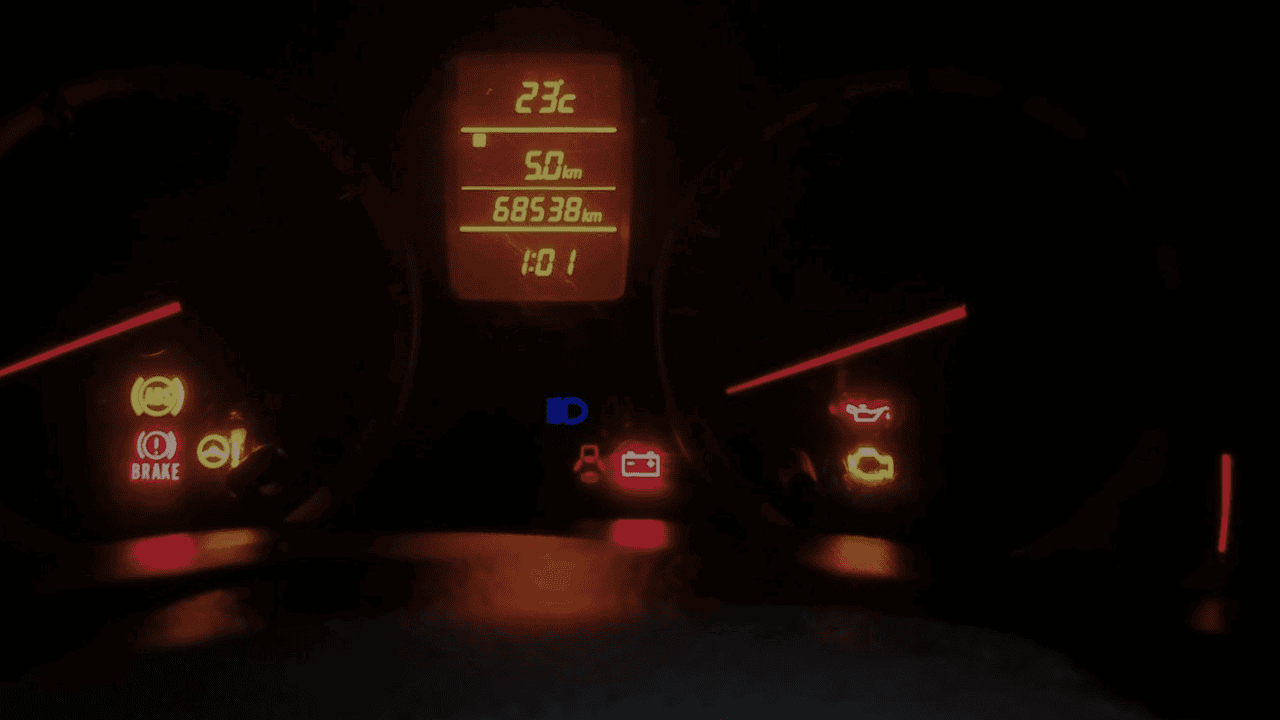
That orange light doesn’t always mean disaster, but ignoring it gives small problems time to become big ones. It could be something as cheap as a loose gas cap—or something that will melt a catalytic converter if you keep driving.
Most auto parts stores will scan your code for free. Knowing what’s wrong early gives you a chance to fix it before the repair becomes a four-digit headache.
driving with old coolant
Coolant does more than keep your engine from overheating—it also prevents corrosion inside your radiator and hoses. Over time, it breaks down and becomes acidic, which eats away at expensive parts.
Flush your coolant every two to five years depending on the type. It’s a cheap job that prevents some of the most expensive repairs under the hood.
forgetting transmission fluid
Low or dirty transmission fluid can cause hard shifting, overheating, or total transmission failure—and that’s one of the priciest repairs out there.
Check the level and condition regularly if your car has a dipstick for it. Fresh fluid is pink and clean; dark or burnt-smelling fluid means it’s overdue for service.
neglecting tire pressure

Underinflated tires wear out faster, kill your gas mileage, and put extra strain on your suspension. Over time, uneven wear can lead to alignment problems and premature tire replacement.
Check your pressure monthly and before long drives. Keeping your tires inflated to the manufacturer’s recommendation adds thousands of miles to their life and keeps your ride safer and smoother.
skipping brake inspections
Brakes wear gradually, so it’s easy to miss when they start to go. But letting worn pads grind into your rotors turns a $150 job into something easily over $1,000.
If you hear squealing or feel vibration when braking, don’t ignore it. Get them checked right away—catching it early means swapping pads instead of rebuilding your braking system.
riding on bad shocks or struts
When your suspension starts to wear out, it affects more than comfort. It puts stress on your tires, steering, and even your brakes. The longer you drive that way, the more parts it damages.
If your car feels bouncy or leans too much in turns, it’s time to get it checked. Replacing shocks early costs a fraction of what ignoring them will.
skipping the air filter change
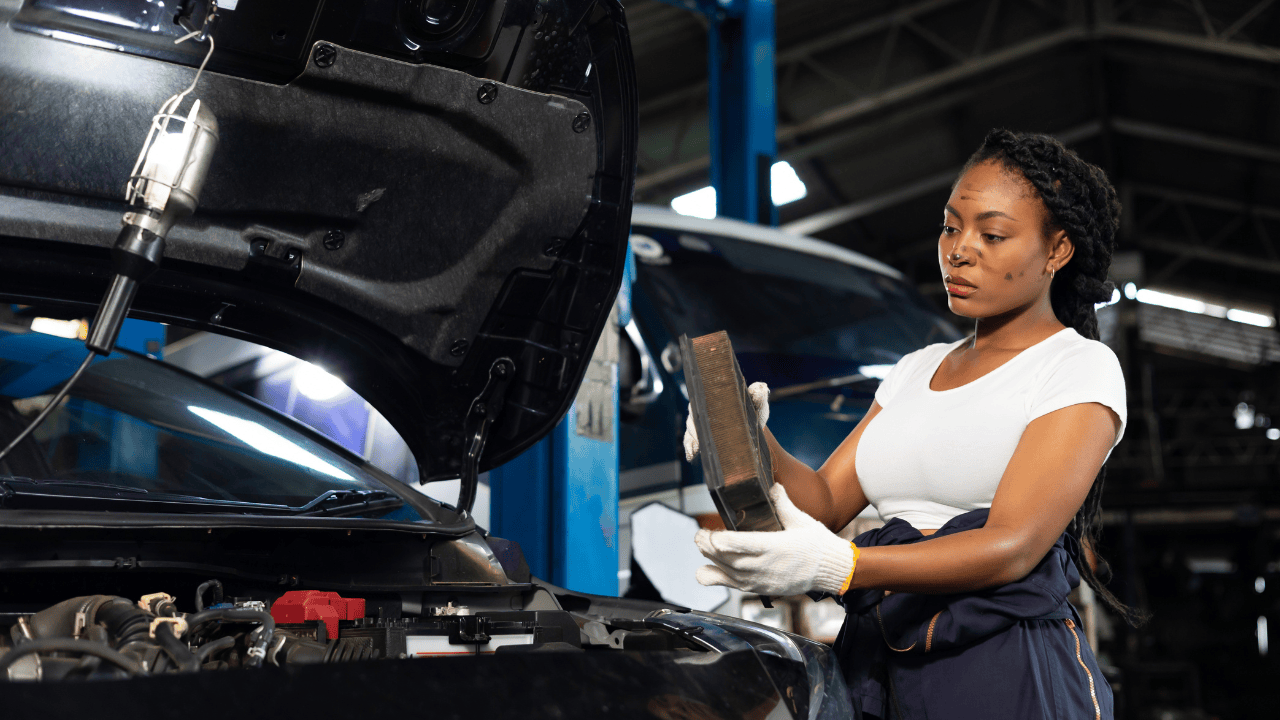
A dirty air filter makes your engine work harder, lowering efficiency and straining internal components. That reduced airflow can even affect your fuel injectors over time.
Change it once a year or every 12,000 to 15,000 miles. It’s one of the cheapest and easiest ways to keep your engine running cleaner, longer, and far from costly repairs.
*This article was developed with AI-powered tools and has been carefully reviewed by our editors.
Leave a Reply