
Most people don’t think twice about their car until something starts acting up—but by then, it’s usually too late to prevent damage. The truth is, a few quick checks can keep your vehicle running smoother, safer, and a lot cheaper to maintain.
Ignoring them might not cause an immediate breakdown, but over time, those skipped steps can lead to big repair bills. Here are the car checks that too many drivers put off until the warning lights or strange noises start rolling in.
Oil level
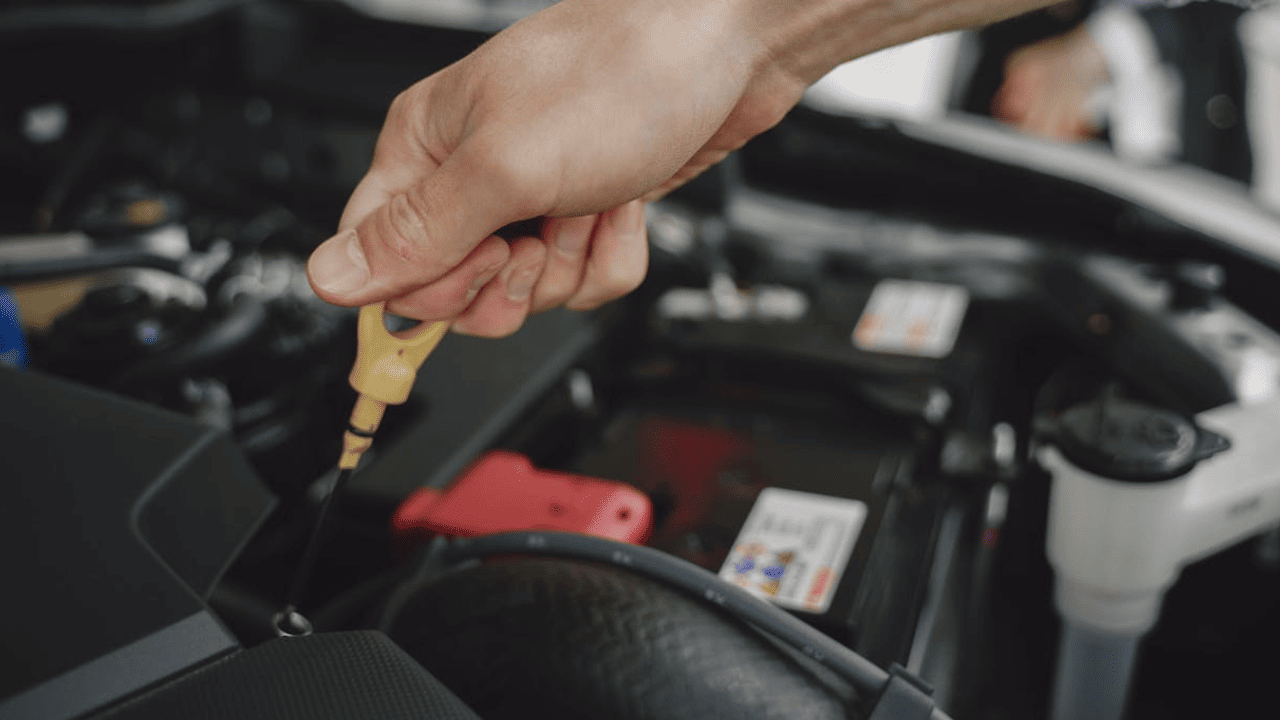
Your engine oil keeps everything running smoothly, but it doesn’t last forever. Low or dirty oil causes friction, heat, and wear that can destroy an engine fast. Check your dipstick once a month, and don’t wait for the oil light to come on. It’s cheaper to top off or change oil regularly than to replace an engine that’s been starved of lubrication.
Tire pressure
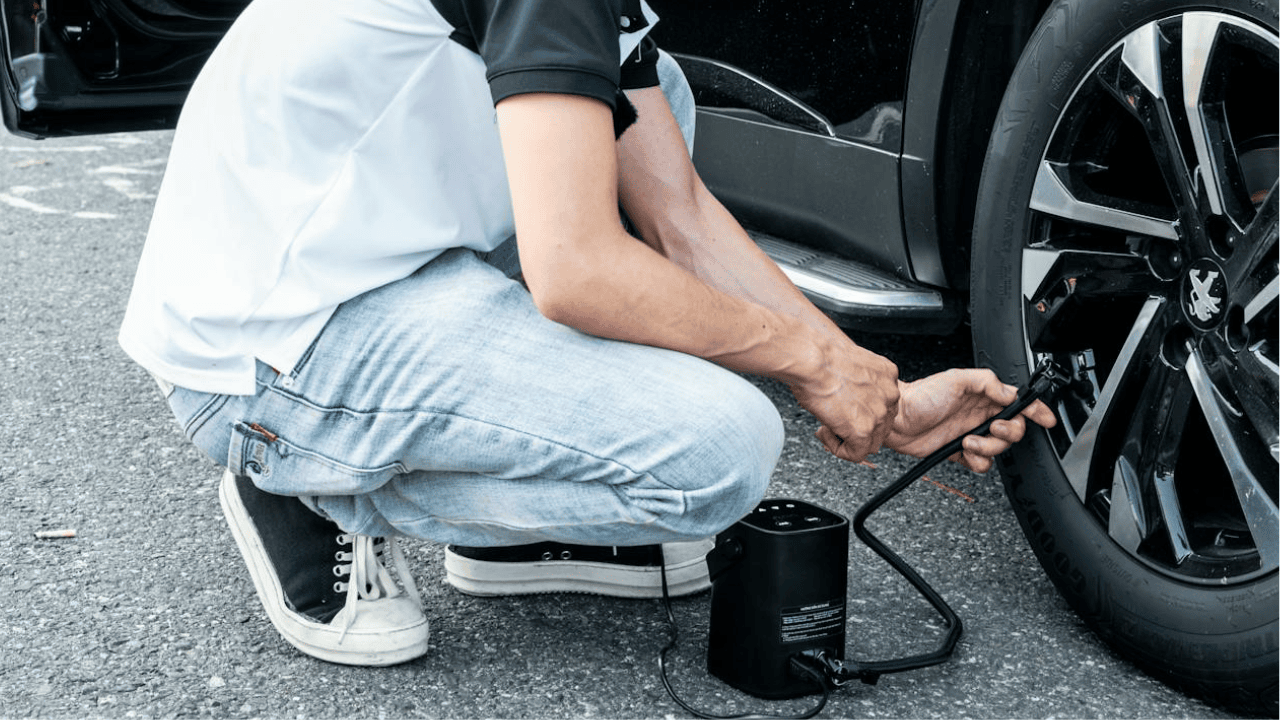
Tires lose air naturally over time, and even a small drop in pressure can hurt fuel economy or cause uneven wear. Driving with low pressure makes tires heat up faster, increasing the risk of a blowout. Check your tire pressure monthly, especially during temperature changes, and keep them at the levels listed inside your driver’s door.
Coolant level
Coolant keeps your engine from overheating, but most drivers don’t check it until they see steam under the hood. Pop the hood and look at the reservoir occasionally—low coolant could mean a small leak or a bigger issue. Topping it off is easy, but running low can warp your engine and lead to expensive repairs.
Transmission fluid
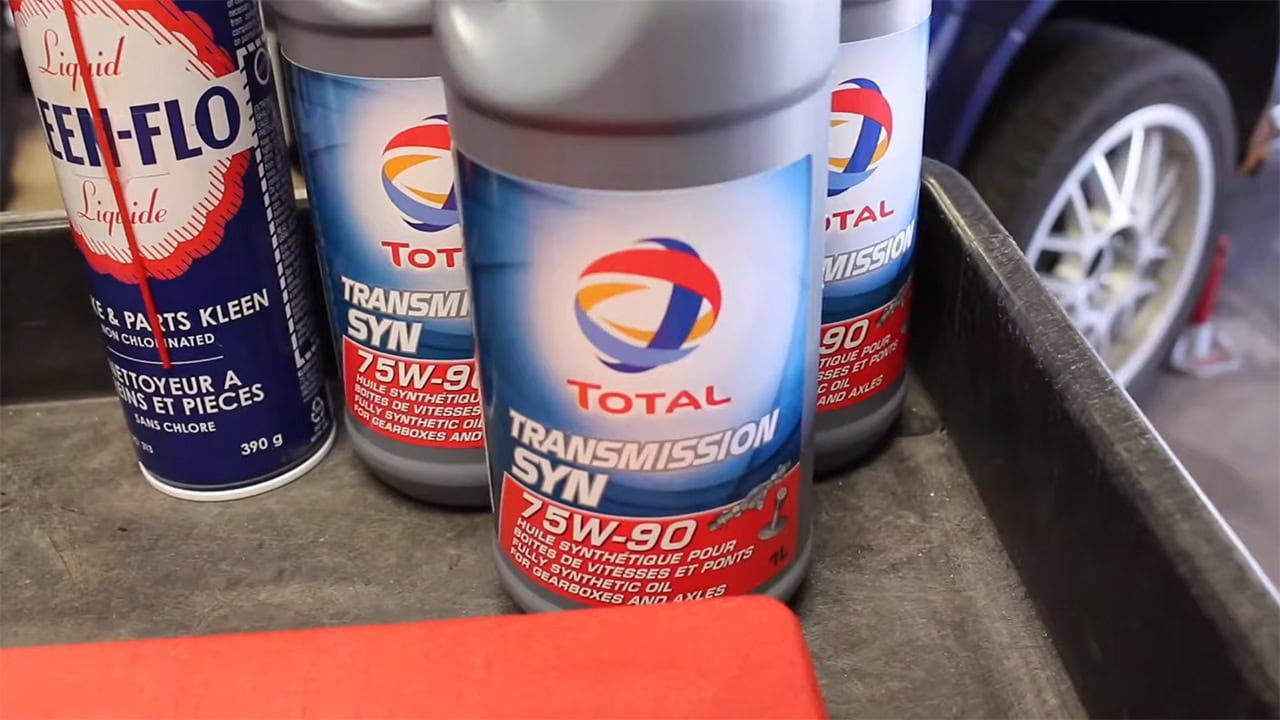
Transmission problems are some of the most expensive issues to fix, and many start with neglected fluid. Low or burnt transmission fluid makes shifting rough and can cause long-term damage. Check your fluid according to your owner’s manual—some cars have dipsticks, while others need professional checks. Keeping it fresh helps your transmission last for years.
Brake fluid
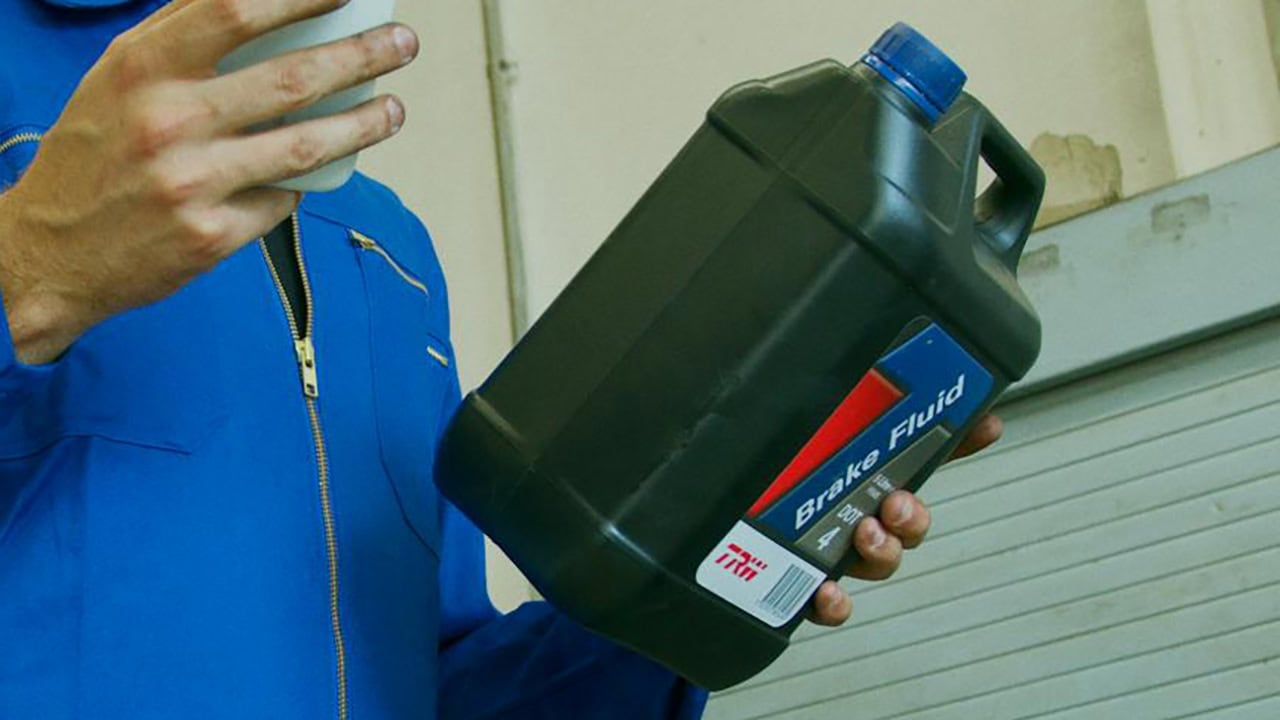
Brake fluid absorbs moisture over time, which weakens braking power and can corrode parts in the system. Most people never think about it until the pedal feels soft or spongy. Check the fluid reservoir occasionally and replace it as recommended—usually every two years. It’s a small maintenance step that can prevent dangerous failures.
Battery terminals
Corrosion on battery terminals can keep your car from starting, especially in extreme temperatures. A quick look under the hood can save you from being stranded with a dead battery. Clean off any buildup with baking soda and water, and make sure the terminals are tight. A little attention goes a long way toward preventing electrical issues.
Air filter

A clogged air filter chokes your engine, cutting power and fuel efficiency. Most people don’t replace it until the car starts to feel sluggish. Check it every few months—if it looks dirty or dark, swap it out. It’s one of the easiest DIY fixes and can make your engine breathe better instantly.
Windshield wipers
You usually don’t think about wipers until a downpour hits—and then it’s too late. Worn-out blades smear water and reduce visibility, making driving dangerous. Replace them at least once a year, or sooner if they leave streaks or squeak. It’s one of the cheapest upgrades you can make for safer driving.
Belts and hoses
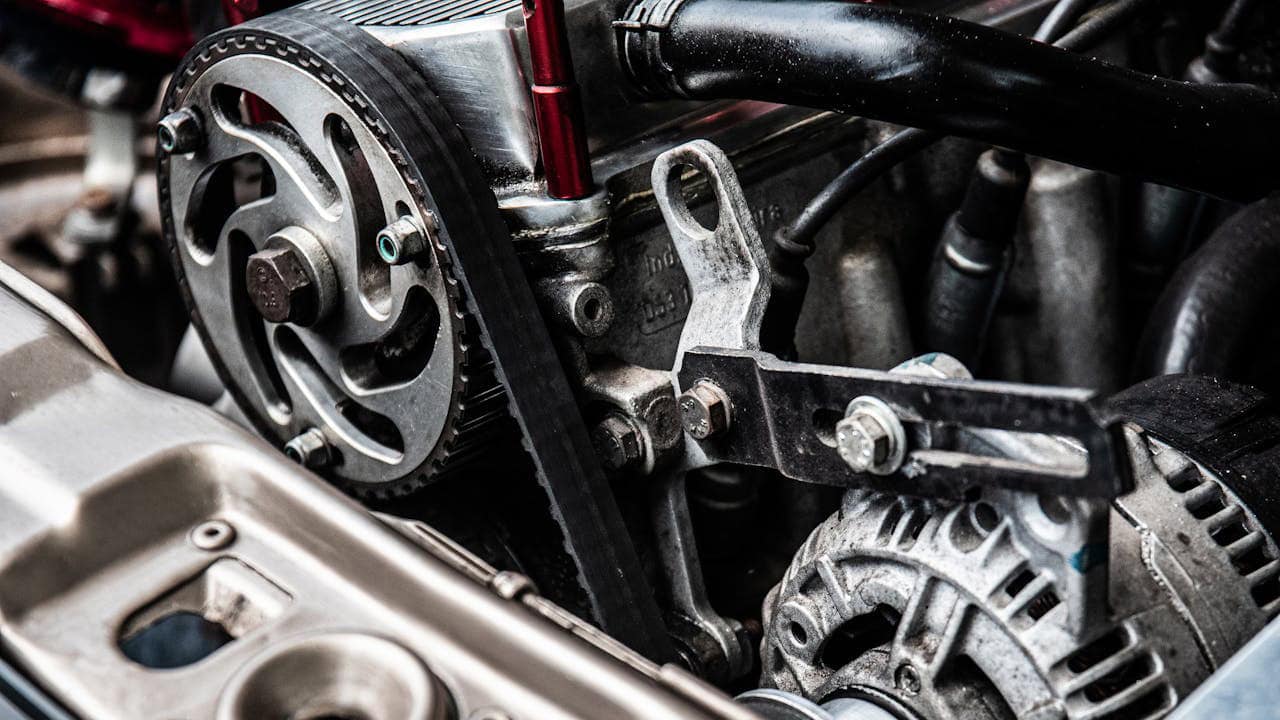
Modern belts and hoses last longer than they used to, but they still wear down with time and heat. Cracks, fraying, or bulges are signs they’re ready to fail. A broken belt can leave you stranded, and a burst hose can cause overheating fast. Inspect them a few times a year and replace any that look questionable.
Tire tread
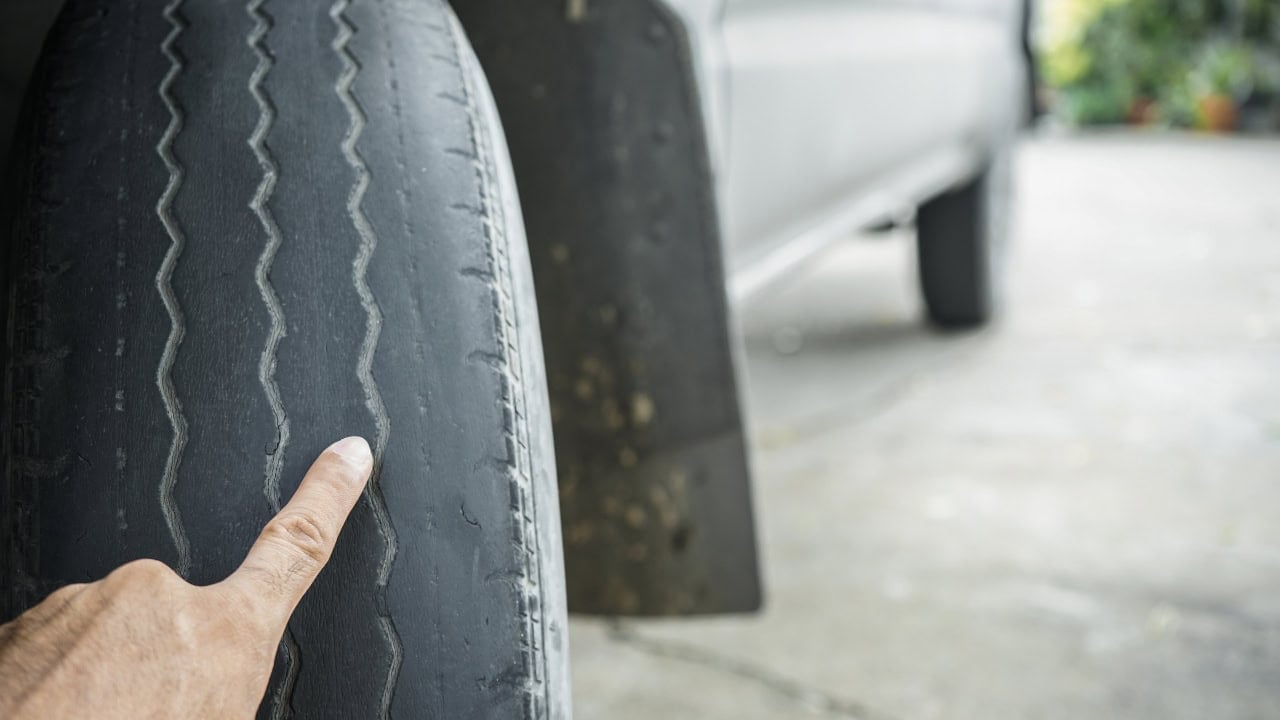
Bald tires are a major safety risk, but many people drive on them longer than they should. Worn tread means less grip in rain and a higher chance of hydroplaning. Do the penny test—if you can see the top of Lincoln’s head, it’s time for new tires. Staying ahead of wear keeps your car safer and your handling steady.
*This article was developed with AI-powered tools and has been carefully reviewed by our editors.
Leave a Reply