
Some beauty products are worth keeping in rotation—but others quietly drain your wallet without making a real difference. Between trends, marketing, and habit, it’s easy to believe you need constant restocks.
In reality, plenty of “essentials” do almost nothing once you have a good routine in place. The key is knowing what actually adds value and what’s only taking up space on your shelf.
Here are ten beauty products that usually aren’t worth replacing once they run out.
Toner
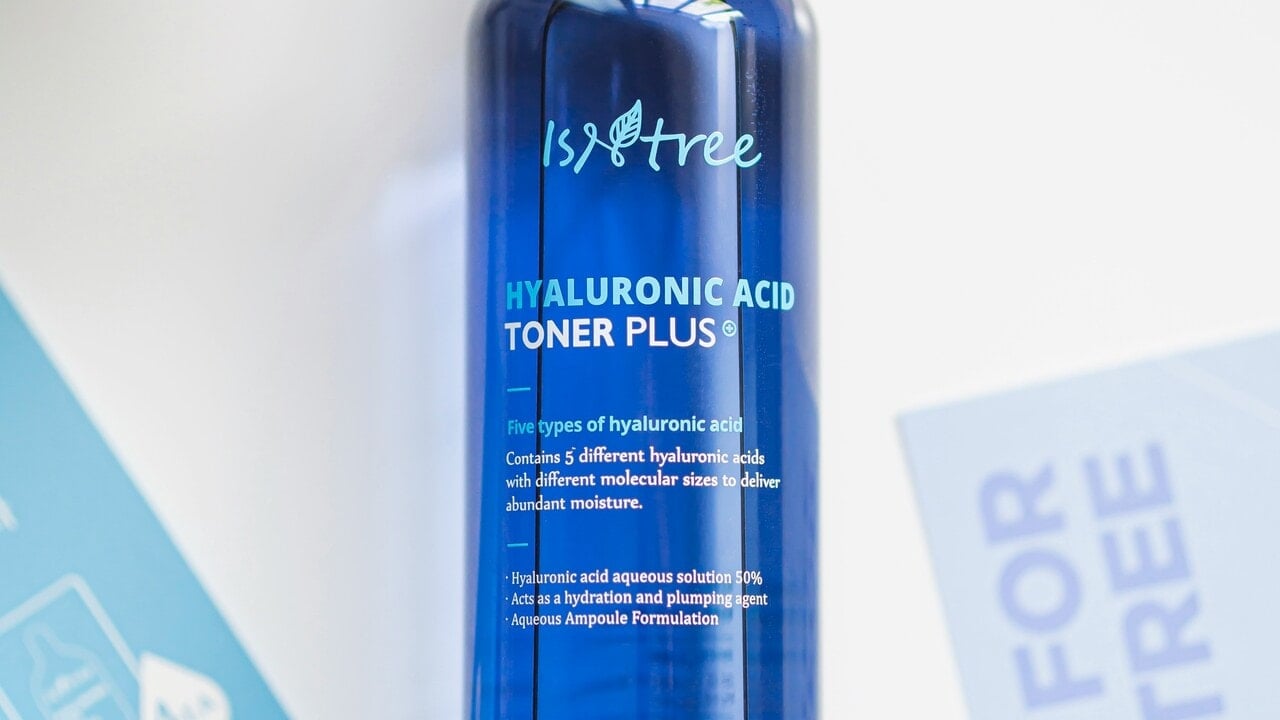
Traditional toners were made to balance pH after harsh soaps, but modern cleansers already do that. Most toners today are unnecessary unless they contain specific actives your skin benefits from.
If your skin feels hydrated and balanced after cleansing, you can skip toner altogether. Save the step—and the cost—for something that actually improves your skin’s texture or hydration.
Lip scrubs
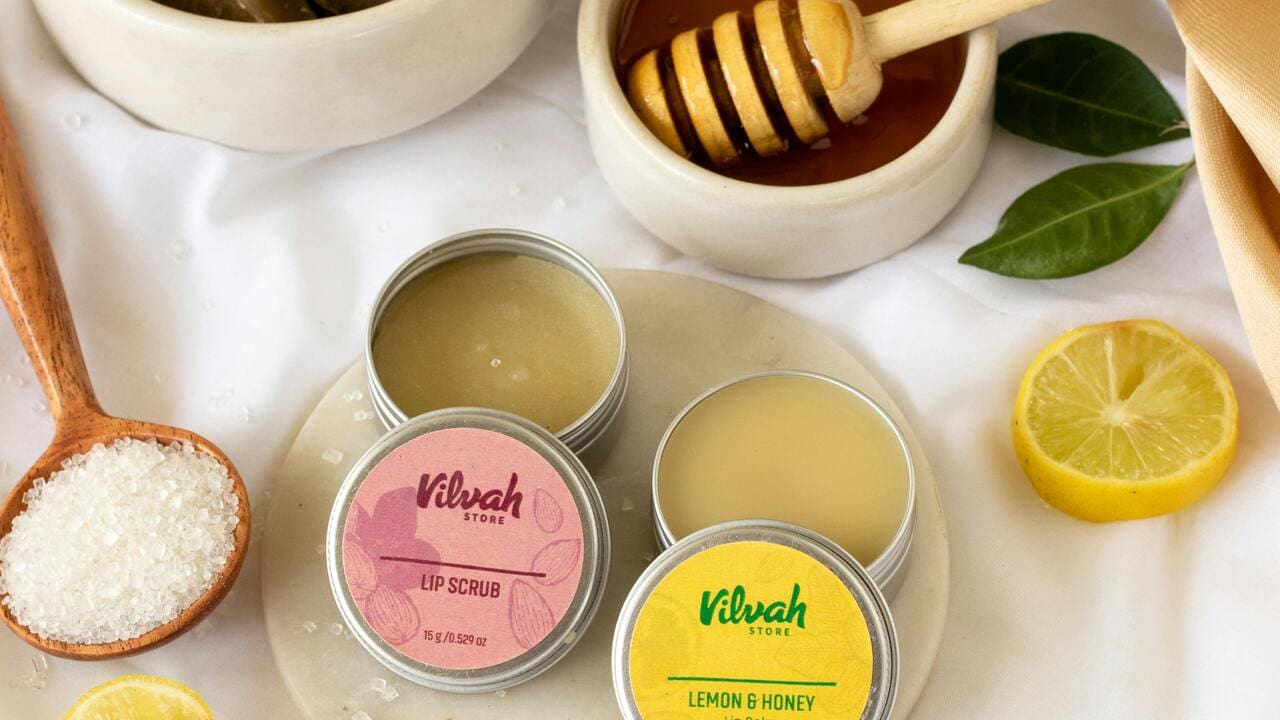
Lip scrubs sound useful, but you don’t need a dedicated product for them. A damp washcloth or soft toothbrush gently exfoliates your lips without the mess or added expense.
Most store-bought scrubs rely on sugar and oil—ingredients you already have in your kitchen. Using a simple DIY or skipping the step entirely won’t make a difference in how your lips feel day-to-day.
Makeup primers
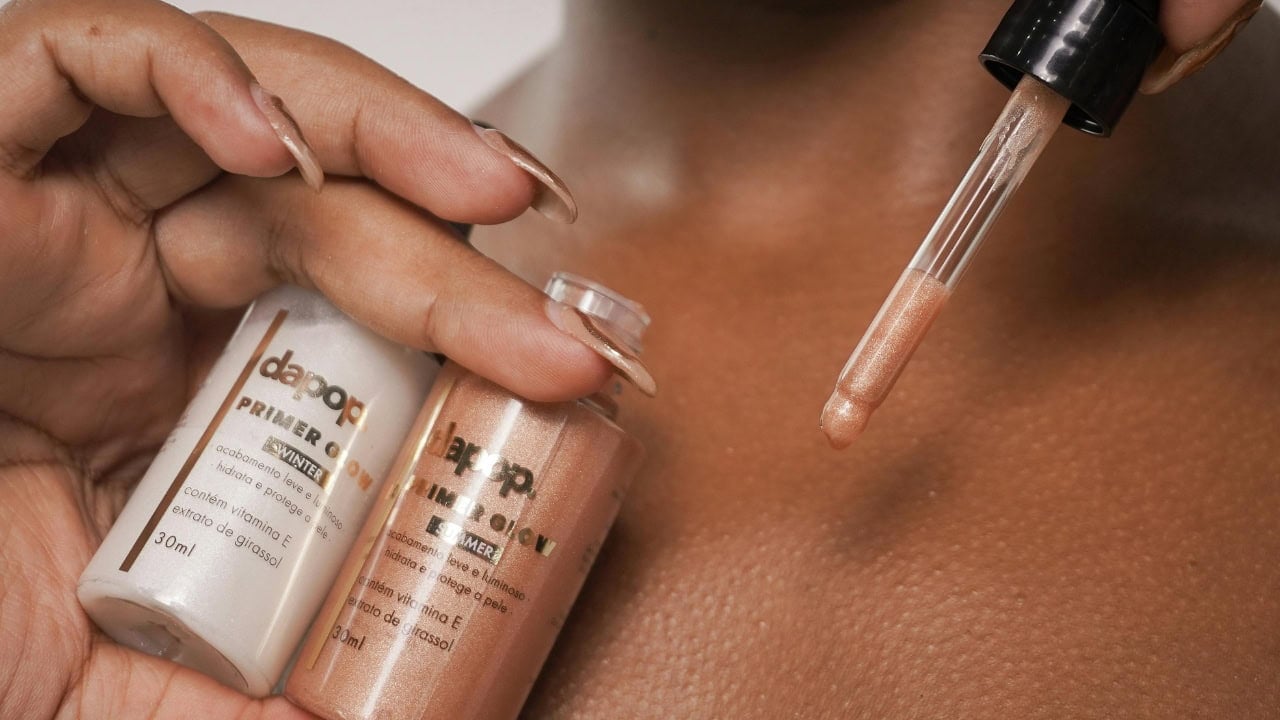
Most people don’t need a primer if they use a good moisturizer or SPF underneath foundation. Many primers are silicone-based, which can clog pores or make makeup slide off faster in humid weather.
Instead, focus on skin prep—hydration, sunscreen, and letting products absorb before applying makeup. Your base will look smoother naturally without adding another layer.
Setting sprays
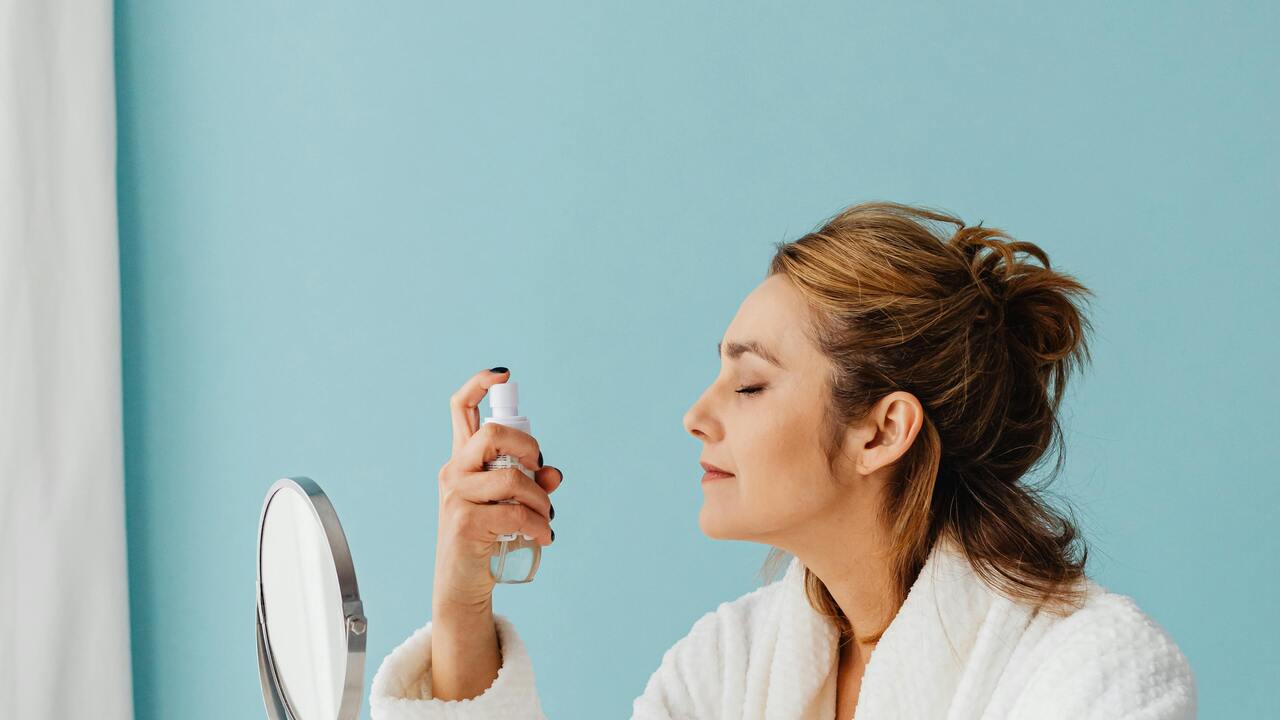
Setting sprays promise longer wear, but most formulas are just lightly fragranced water with a small amount of alcohol or glycerin. They can make makeup feel tacky or cause breakouts if overused.
A light dusting of translucent powder in key areas—like your T-zone—does the same job more effectively. You’ll save money and still keep your makeup in place.
Eye cream
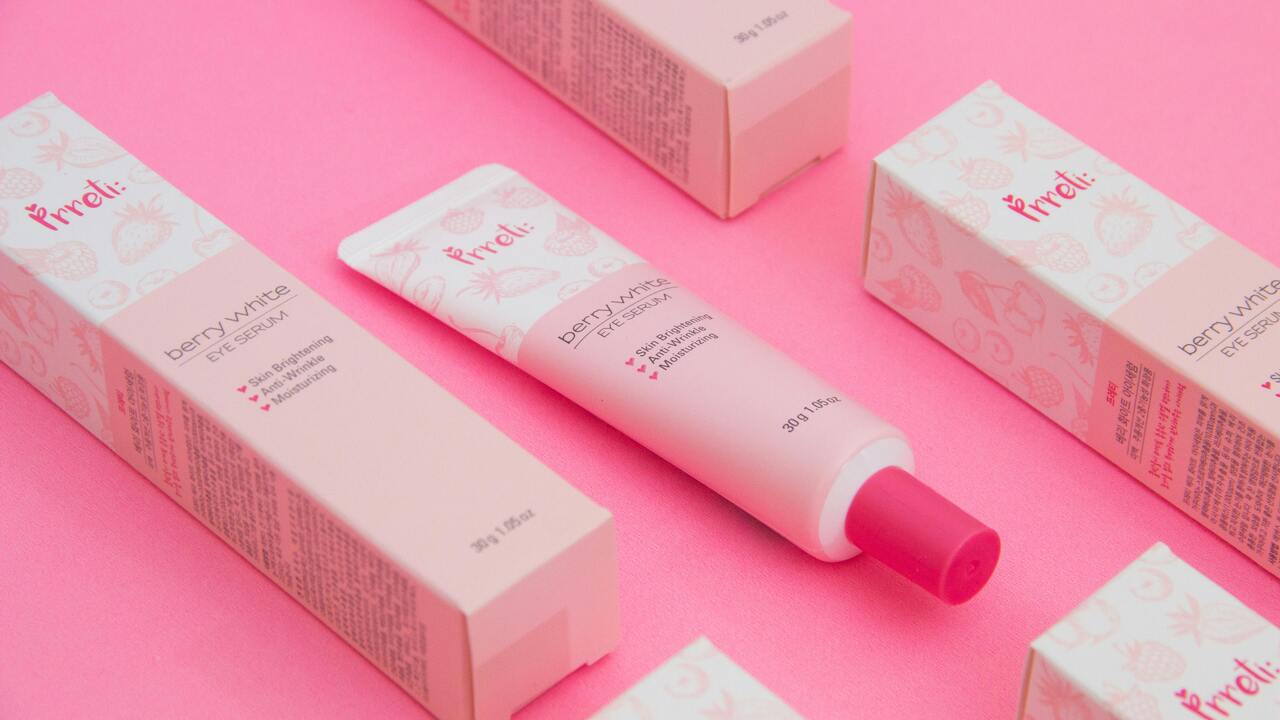
Eye cream is one of the most over-marketed products in beauty. Most contain the same ingredients as face moisturizers, just in smaller, more expensive packaging.
If your regular moisturizer is gentle and fragrance-free, it can safely be used under your eyes. You’ll get the same hydration without paying extra for a smaller jar.
Hair masks
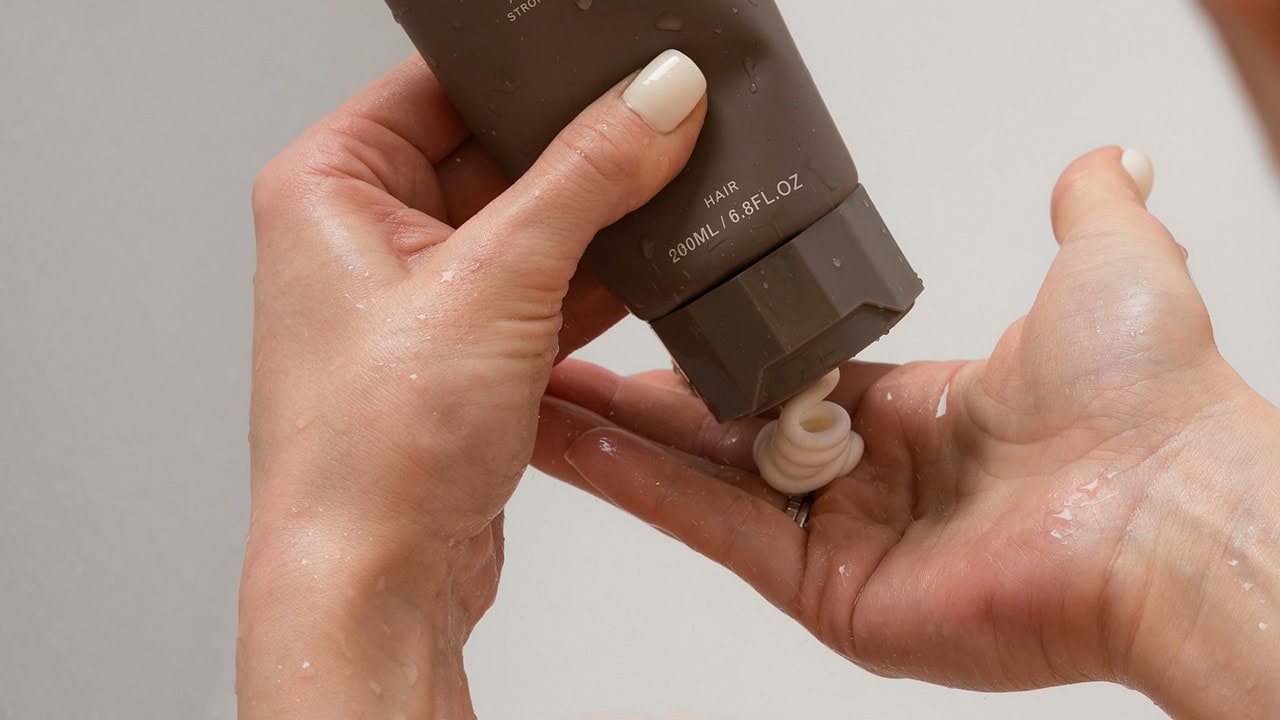
Weekly hair masks sound like they’ll repair damage, but they mostly coat strands with temporary softness that washes out. They don’t actually fix breakage or split ends.
A good conditioner and regular trims do more for long-term hair health than any expensive mask. If your hair feels dry, focus on hydration and reducing heat styling instead.
Cuticle oils
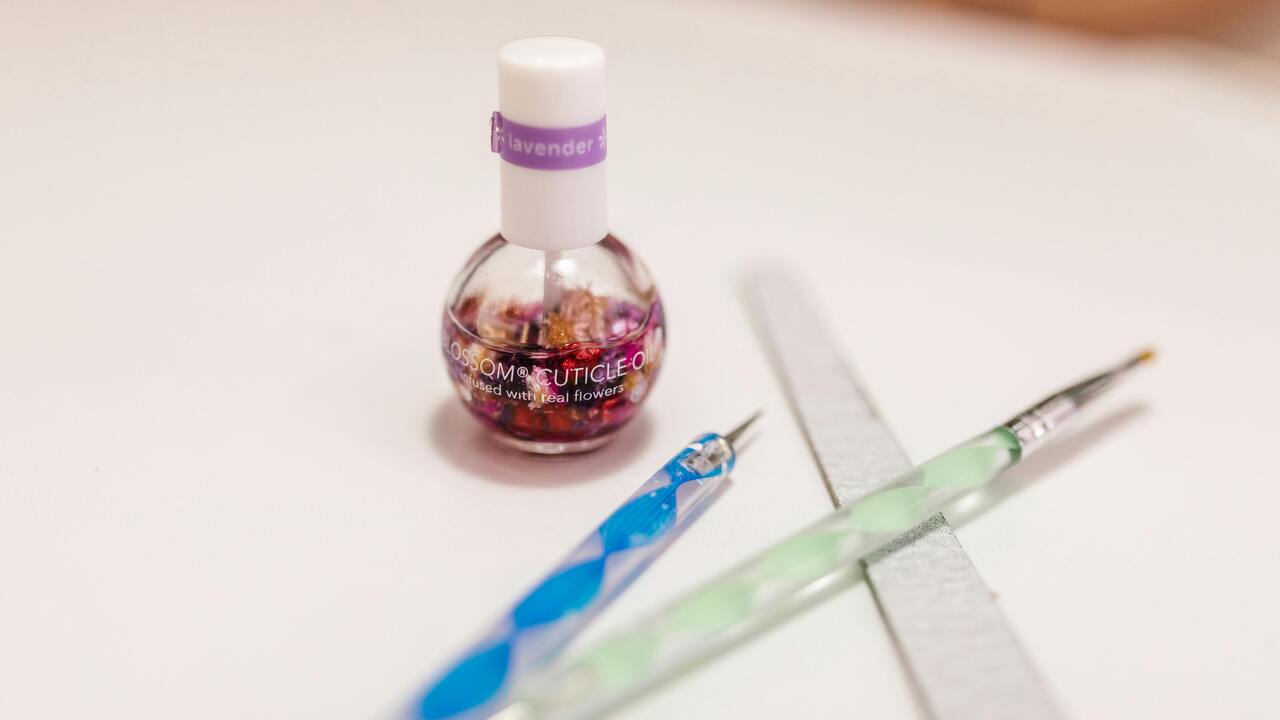
Cuticle oil can make nails look shiny, but it’s not essential for nail health. Hand cream or any basic oil—like coconut or olive oil—works exactly the same way for far less money.
As long as you’re moisturizing regularly, you don’t need to repurchase a separate product for your cuticles. It’s one of those small luxuries that feels nice but doesn’t add real value.
Pore strips
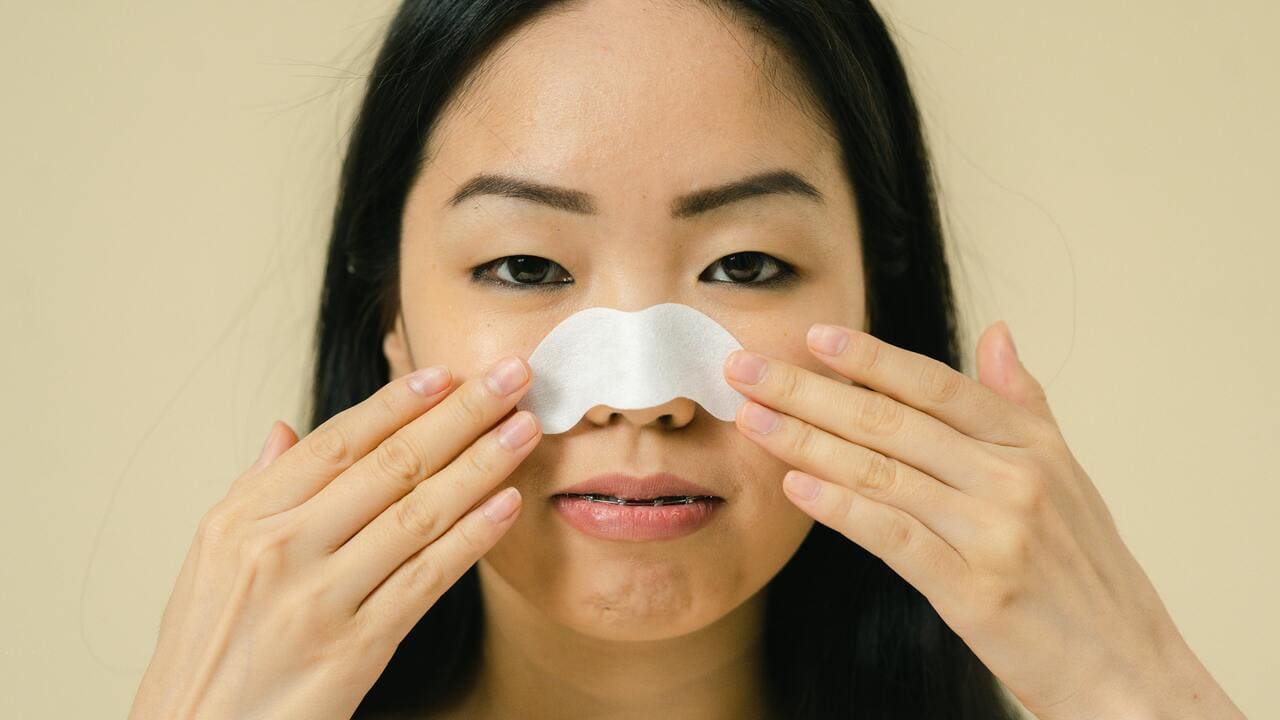
Pore strips seem satisfying, but they only remove surface debris and can irritate your skin. They don’t actually shrink or clean pores in the long run.
Consistent exfoliation with a gentle chemical exfoliant works far better. Once you stop using pore strips, you’ll notice your skin looks calmer and less inflamed over time.
Makeup brush cleaner
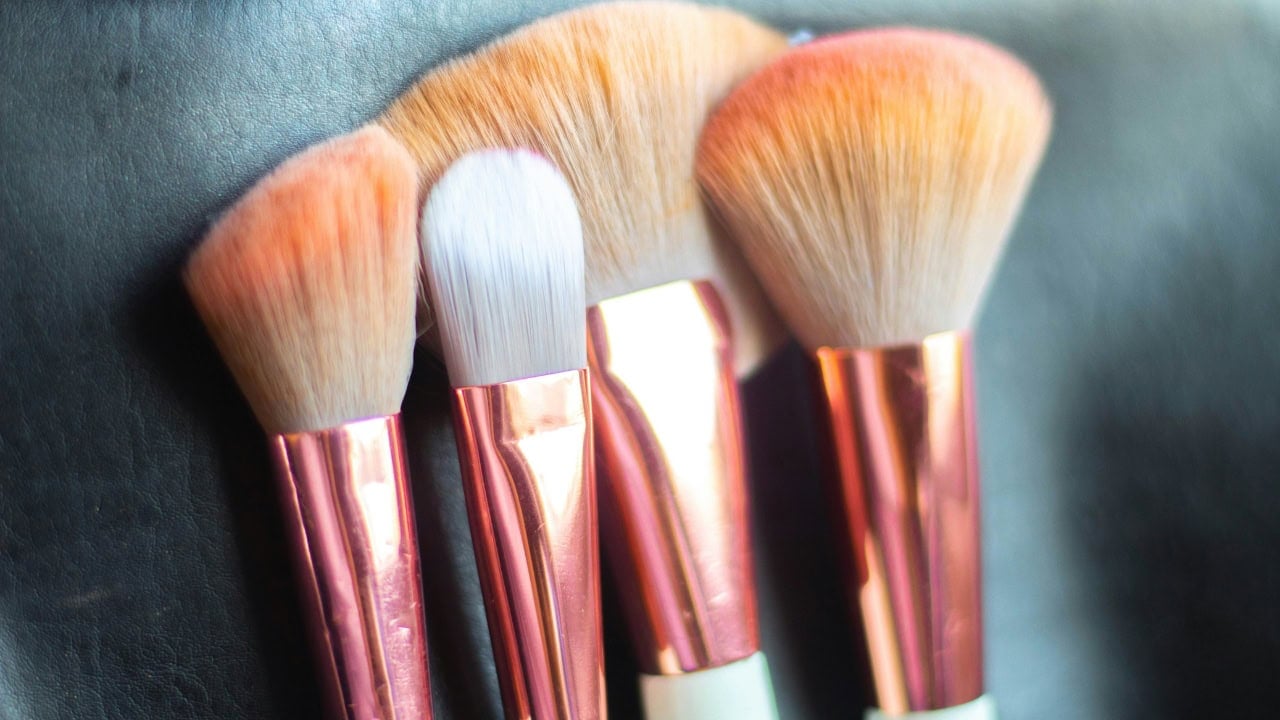
Dedicated brush cleaners are expensive for what they do. A mild shampoo or dish soap cleans brushes just as effectively and costs a fraction of the price.
As long as you rinse thoroughly and let brushes dry properly, there’s no reason to replace specialty cleaners. Clean tools matter—what you use to wash them doesn’t.
Separate day and night creams
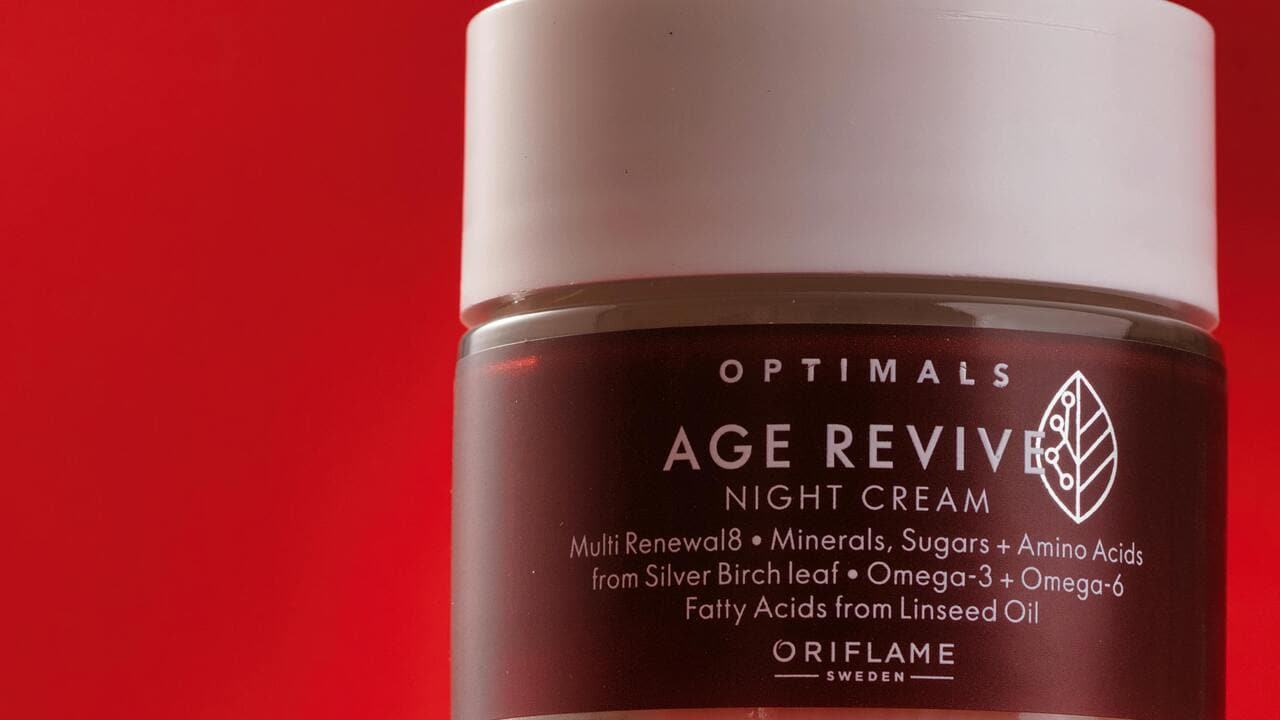
Day and night creams often use the same base formula with minor tweaks, like adding SPF or fragrance. Buying both is usually unnecessary unless your skin has very specific needs.
A good moisturizer that hydrates and protects works for both morning and evening. You can always add sunscreen during the day and a serum at night for extra care—without doubling your costs.
*This article was developed with AI-powered tools and has been carefully reviewed by our editors.
Leave a Reply