
There’s a lot of trial and error in beauty—especially when you’re figuring it out on your own. I’ve wasted more money than I care to admit on things that didn’t work, didn’t last, or made things worse in the long run.
Once you realize what’s actually worth it and what’s been quietly draining your budget, it’s a lot easier to tighten things up. These were some of my most expensive habits—until I cut them off and stopped wasting time and money.
Skipping patch tests on skincare
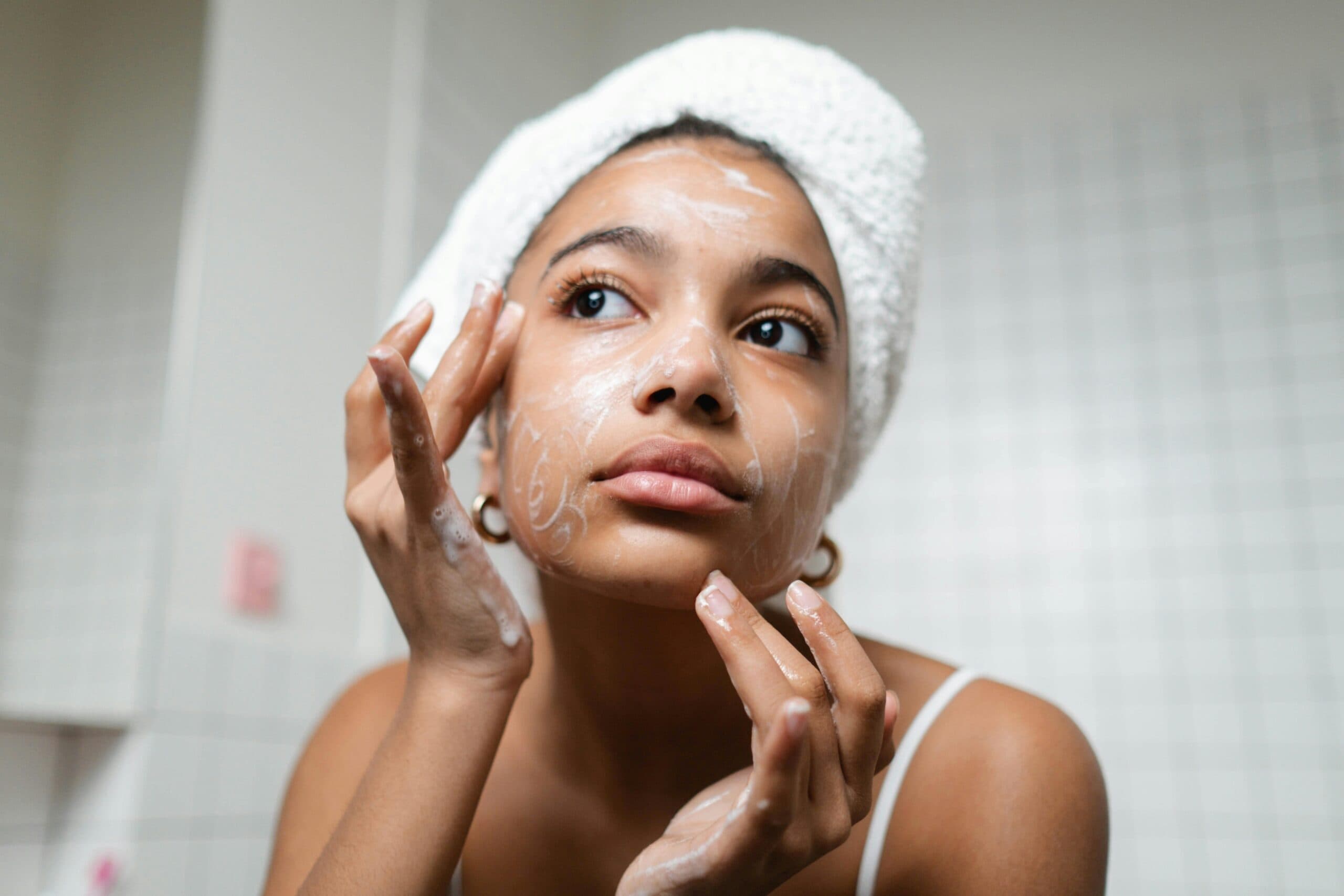
It sounds like extra work, but skipping patch tests cost me more than I’d like to admit. I’d dive into new products, get breakouts or irritation, and then toss the whole thing thinking it was a bad fit. Turns out, it was often one ingredient causing the issue.
Buying high-end mascara
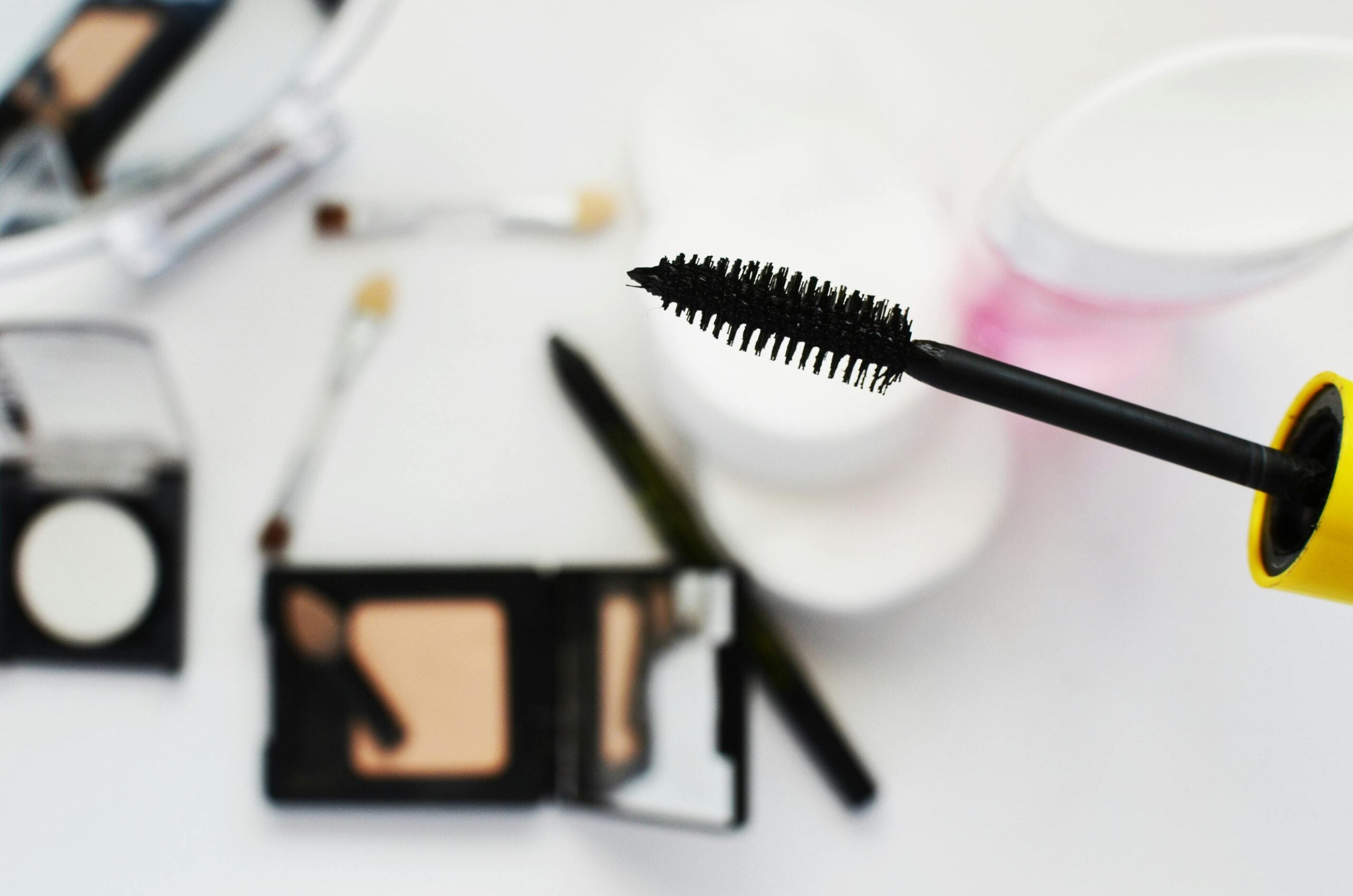
I used to think expensive mascaras would solve all my lash problems. Spoiler: they dried out just as fast, smudged just as much, and didn’t last any longer than the ones from the drugstore. At one point, I was spending $28 every two months.
Once I found a $9 mascara that worked the same (and sometimes better), I stopped throwing money at the fancy ones. The drugstore formulas have improved so much, it’s not worth the splurge.
Washing your face with hot water

Hot water feels nice, especially in the shower, but it strips your skin and can mess with your moisture barrier. I didn’t realize that dry, tight feeling afterward wasn’t a sign of being clean—it was damage. It left me over-moisturizing and constantly battling redness.
Once I switched to lukewarm water, my skin held moisture better and wasn’t as reactive. I didn’t need as many calming serums or hydrating masks to make up for what I was losing daily.
Now I test on a small area—usually behind my ear or jawline—and wait a day or two. That one change helped me avoid wasting full bottles and kept my skin calmer long-term constant replacements.
Using the wrong foundation shade

I was color-matching in-store lighting and guessing half the time. That led to me buying multiple bottles trying to “fix” it or mix my way into the right tone. It added up fast and still looked off most days.
Getting matched in natural light or using an online tool that factors in undertones helped a ton. I found one shade that actually matched and stopped wasting money chasing the perfect combo.
Not cleaning makeup brushes
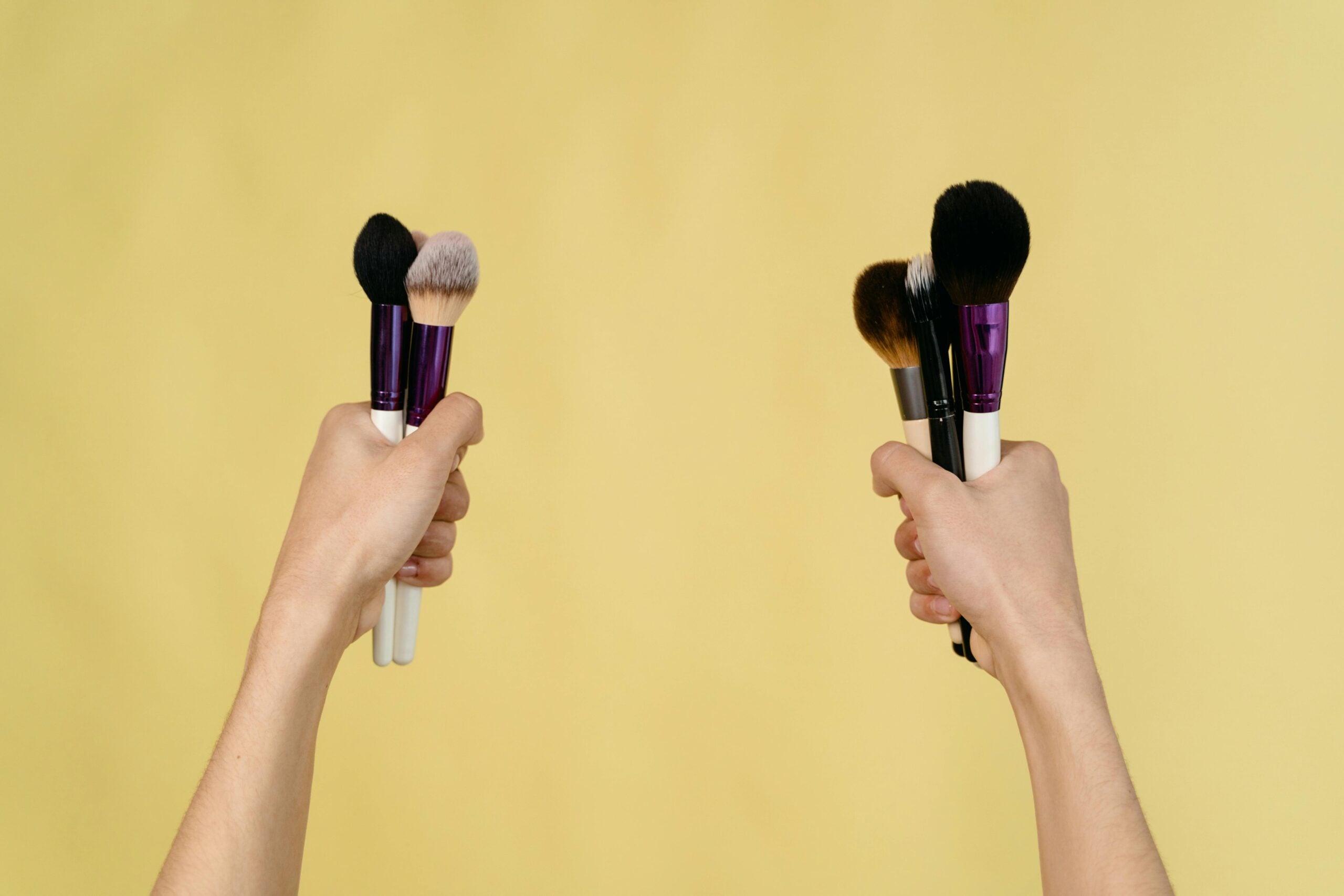
I knew I should clean them, but it always felt like a hassle. Turns out, dirty brushes were the reason my skin kept breaking out—and why my foundation started applying patchy over time. It also meant I wore through product faster trying to get it to blend.
Once I started washing brushes weekly, my skin cleared up, makeup went on smoother, and I wasn’t reapplying as often. It’s not fun, but it’s cheaper than new skincare or
Layering too many actives at once
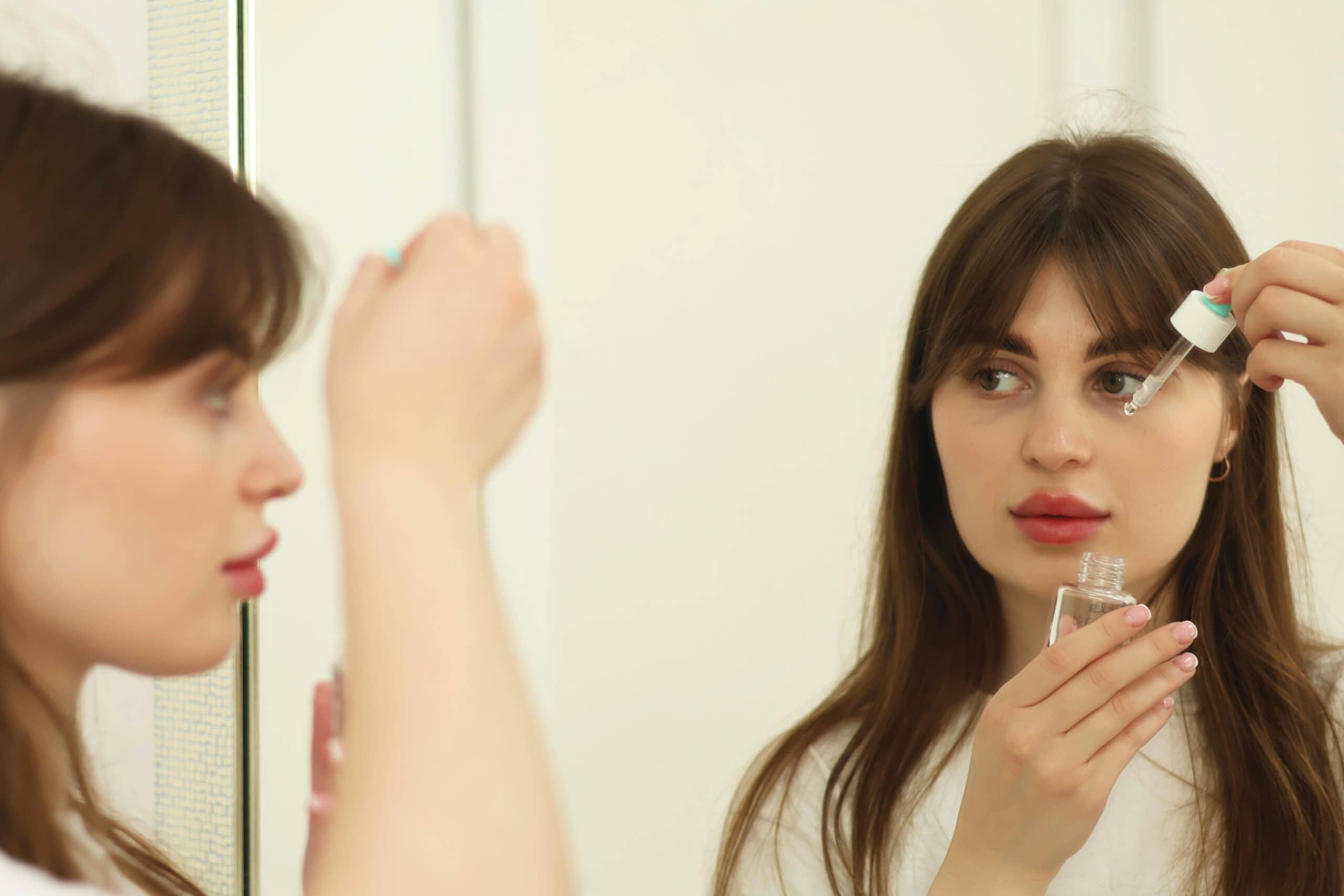
More doesn’t always mean better—especially when it comes to skincare acids and treatments. I used to pile on multiple products hoping for faster results. Instead, I ended up with irritation, peeling, and more products to fix what I caused.
Now I stick to one active at a time, give it a few weeks, and rotate based on what my skin actually needs. It keeps my routine simpler, and I’m not rebuying things because I ruined my barrier again.
Falling for trendy products without research
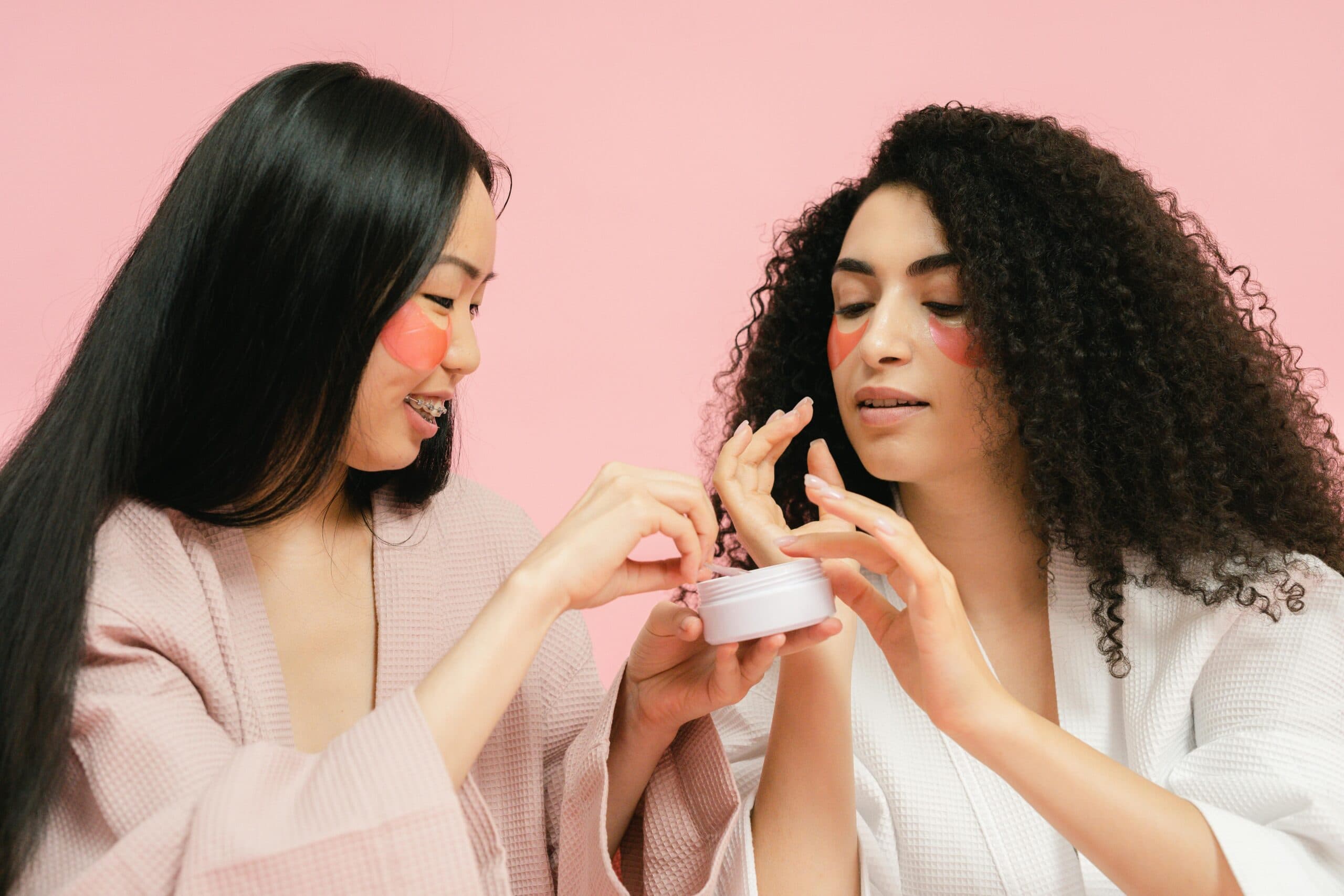
Social media made it way too easy to impulse-buy things that looked good in one video. I’d get sucked into the hype, spend $40+ on something, and regret it two days later when it didn’t work for my skin or hair type.
Now I wait. If I still want it after a week and I’ve read actual reviews—not just influencer promos—I’ll consider it. That pause alone has saved me hundreds.
Overusing dry shampoo
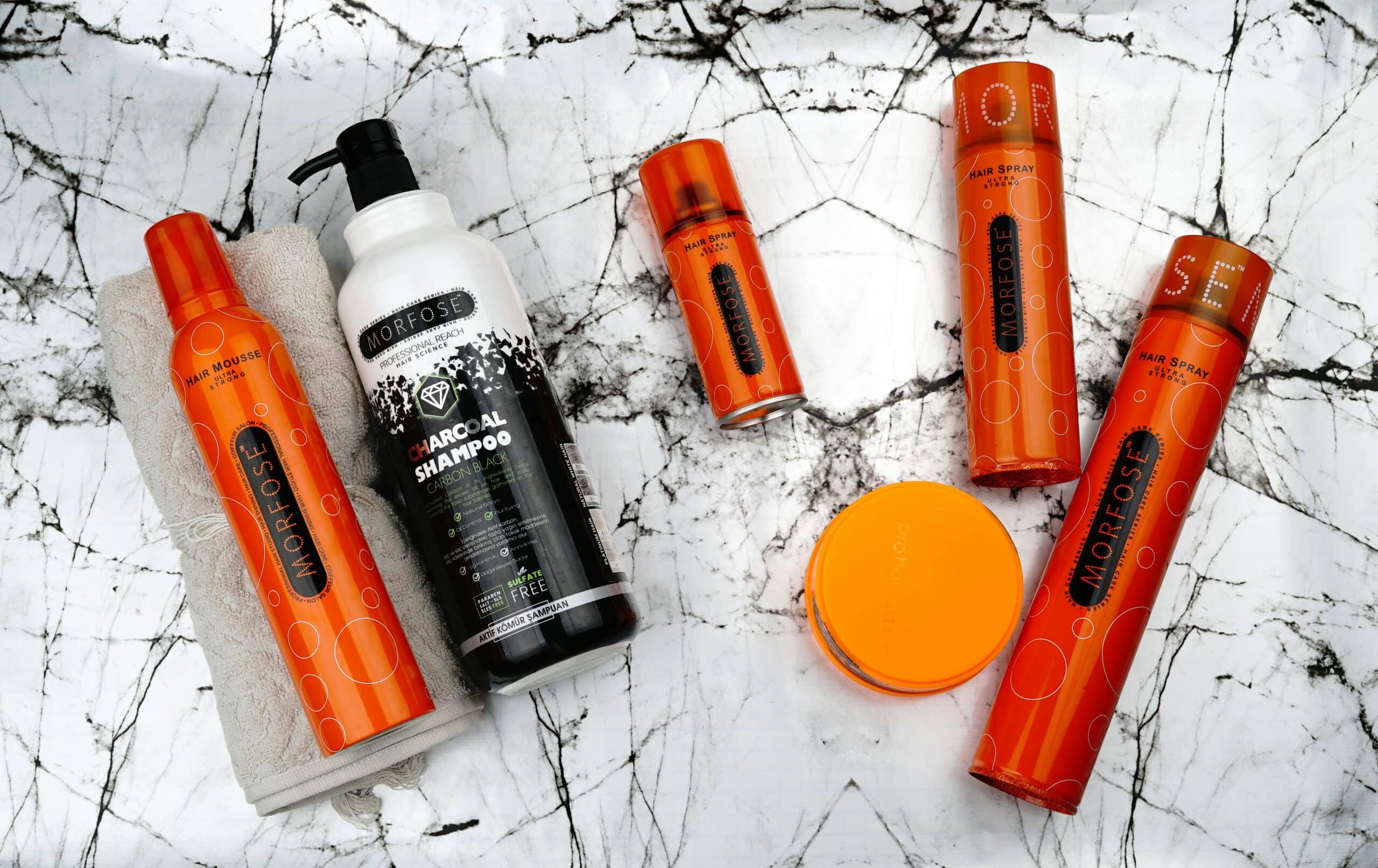
I leaned hard on dry shampoo to stretch wash days, but I didn’t realize it was building up and clogging my scalp. My hair started thinning at the crown, and I thought it was hormonal or stress-related.
Once I cut back and started clarifying weekly, the shedding slowed way down. I still use dry shampoo—but way less—and my scalp stays healthier. Plus, I’m not cycling through cans as fast anymore.
Neglecting sunscreen on cloudy days

I assumed if I wasn’t getting sunburned, I didn’t need sunscreen every day. But UVA damage builds slowly and can age your skin even without visible sun. I spent more on retinol and exfoliants trying to fix dullness and texture than I would’ve on SPF in the first place.
Not using up what I had
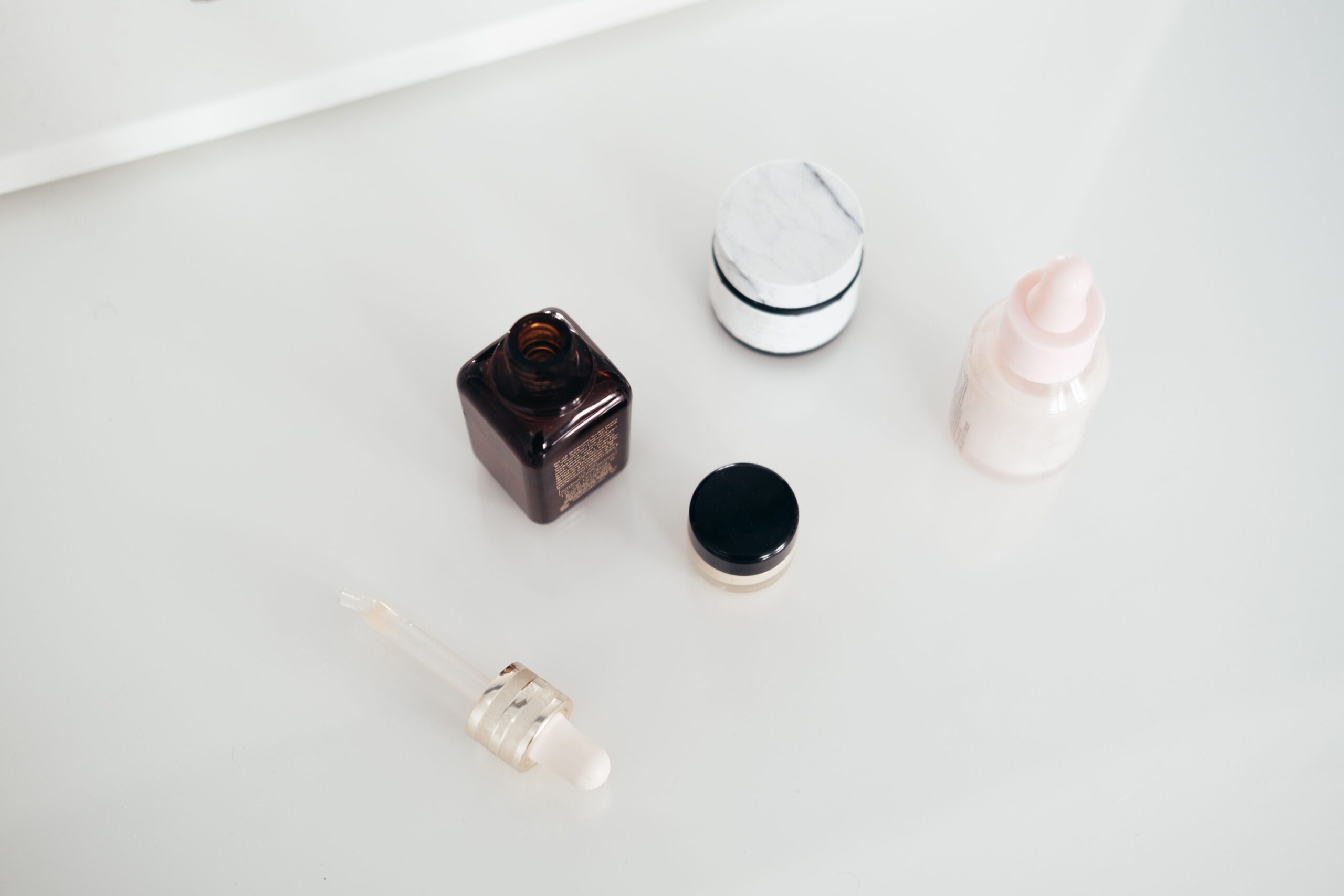
I used to open new bottles before finishing old ones—especially with things like moisturizer, cleanser, or lip balm. Before I knew it, I had half-used bottles going bad or getting tossed because I forgot about them.
Now I finish what I have before opening anything new, and I keep fewer backups. It helps me stay consistent with products that work and stops me from overbuying during sales.
Now sunscreen is the first thing on every morning, even if I’m home. It keeps my skin more even, and I don’t have to overcorrect later.
*This article was developed with AI-powered tools and has been carefully reviewed by our editors.
Leave a Reply